


For those who follow a gluten-free diet due to celiac disease or gluten intolerance, fast food can be deceptively dangerous. Many chains advertise gluten-free options, but the reality is far more complicated.
And despite menu labels and assurances from staff, the risk of cross-contamination is very real. Paired with misleading ingredient lists and inconsistent preparation methods, ordering gluten-free meals at fast food restaurants is a gamble.
Cross-Contamination and Mislabeling Risks
Most fast food chains do not have dedicated gluten-free kitchens. Even when individual ingredients do not contain gluten, they are often prepared on the same surfaces, fried in the same oil, or handled with the same utensils as gluten-containing foods. McDonald’s, for instance, does not offer a certified gluten-free menu (though we do have a guide to gluten-free options at McDonald's). While its burger patties contain no gluten ingredients, they are cooked on shared grills, making cross-contact unavoidable.
Fast food deep fryers are another major risk. Chains like Burger King and Wendy’s list fries as “gluten-friendly,” but they are typically cooked in the same oil as breaded chicken and onion rings. Even a small amount of gluten exposure can trigger symptoms in those with celiac disease or severe gluten sensitivity.
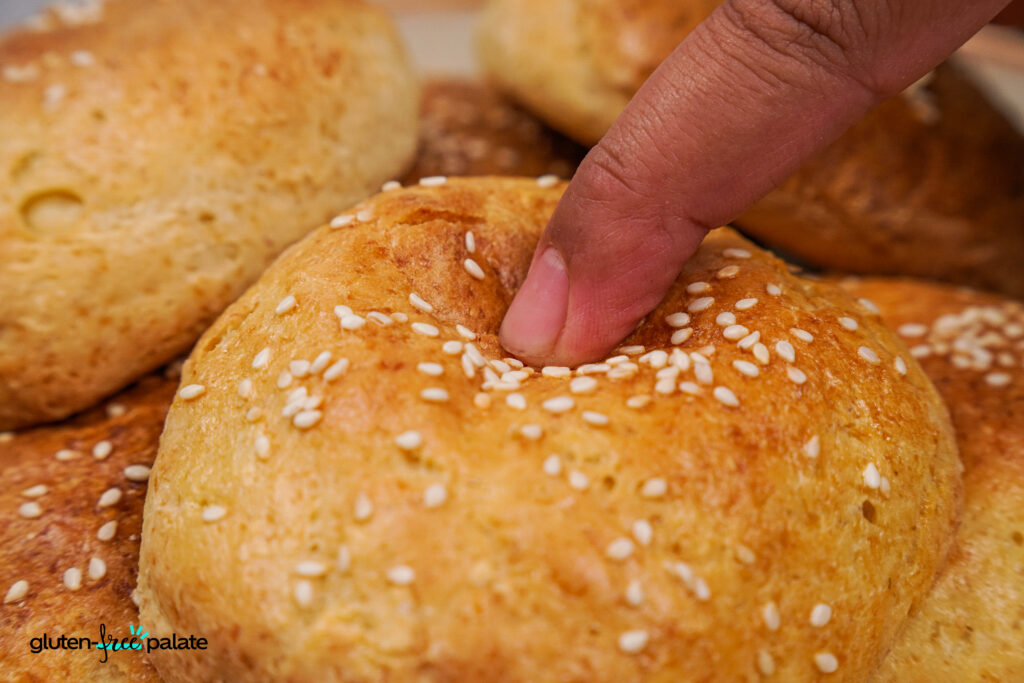
That's why many people with Celiac choose to make their own food (here's a notable recipe for gluten-free hamburger buns). It's the best way to check ingredients and avoid cross-contamination.
And there's another consideration when going to Burger King, Chick-fil-A, or even Chipotle. The term "gluten-free" is not always used consistently in fast food restaurants. While the FDA requires packaged foods labeled gluten-free to contain fewer than 20 parts per million (ppm) of gluten, fast food chains are not held to the same standard. Many restaurants use the phrase “gluten-friendly” instead, which is vague and does not guarantee safety.
Some chains list certain items as gluten-free but fail to clarify the risk of cross-contact. For example, Taco Bell’s website states that its Power Bowls can be made gluten-free by omitting ingredients containing gluten. However, it also warns that the food is prepared in a shared kitchen, meaning cross-contamination is likely. Customers who see “gluten-free” on a menu may assume their food is safe, only to suffer reactions later.
And are french fries gluten free? Don't get me started on that can of worms.
Inconsistent Training and Lack of Certified Gluten-Free Options
Even when a fast food chain makes an effort to accommodate gluten-free customers, employee training can be inconsistent. Many workers are unaware of the severity of gluten-related illnesses or the importance of preventing cross-contact. In some cases, staff may mistakenly assume that removing a bun from a burger or substituting an ingredient is enough to make a meal gluten-free.
Orders are often prepared quickly in high-pressure environments, increasing the risk of mistakes. A burger without a bun may still be handled with the same gloves that touched bread, or a gluten-free salad may be prepared on a contaminated cutting board. Customers who ask about gluten-free options may receive conflicting information depending on which employee they speak to.
Despite the growing demand for gluten-free food, most major fast food chains have not committed to creating safe, certified options. Some restaurants, like Chick-fil-A and Shake Shack, offer gluten-free buns, which are often handled in kitchens where cross-contact is still a risk.

At many fast food joints, the best option is a drink. Here's a recipe for apple spinach smoothies in case you want to skip the drive thru and make them at home.
Dedicated gluten-free fast food establishments are rare. However, a few smaller chains, such as Posana in North Carolina and Butterfly Burger in Arizona, cater specifically to gluten-free diners by eliminating cross-contamination risks. Until larger companies invest in similar efforts, safe fast food options will remain limited.
To be certain, you'll want to research options beforehand. Check out this guide to gluten-free fast food.
How to Minimize Risk When Eating Gluten-Free at Fast Food Chains
For those who need to avoid gluten, eating fast food requires extra caution. Before ordering, check a restaurant’s website for allergen information and look for disclaimers about cross-contamination. Ask employees about preparation methods and request that food be handled with clean gloves and utensils. When possible, choose locations with dedicated gluten-free fryers or kitchens.
Ultimately, the safest option is to dine at restaurants that prioritize gluten-free safety or prepare meals at home. While fast food may be convenient, the risks of ordering gluten-free at major chains often outweigh the benefits. Until stricter industry standards are in place, gluten-free consumers must navigate the fast food landscape carefully.
Looking for the best recipes with gluten-free ingredients? We have you covered. Start with the best way to make gluten-free bread.
DID YOU MAKE THIS RECIPE?
Tag @glutenfreepalate on Instagram and hashtag it #glutenfreepalatebaker so we can see all the deliciousness!




Leave a Question or Comment