


This homemade lemon curd is engineered against the four ways lemon curd usually fails: splitting, scrambling, running too thin, and setting too thick. The method takes 20 minutes, uses five ingredients, and is naturally gluten-free, which makes it the right filling for almost any GF cake, tart, or cheesecake on this site.

My son slathers this on toast, waffles, and pancakes. I use it as a filling for our Gluten-Free Lemon Cake and as a topping for our Lemon Cheesecake. It works for all of it.
Why You'll Love This Recipe
- Foolproof method. The technique below stops the curd from splitting, scrambling, or turning rubbery.
- Balanced flavor. Tangy enough to taste like real lemon, sweet enough to spread on toast without making your jaw ache.
- Quick. Twenty minutes of hands-on time. No double boiler. It's one of the easiest lemon desserts to make.
- Versatile. Toast, scones, cake fillings, tart bases, cheesecake topping, yogurt swirl. I also love it with vanilla ice cream. One recipe covers all of it.
- Naturally gluten-free. Every ingredient in this recipe is safe for celiac and gluten sensitivity. No flour, no thickeners, no risk of cross-contamination from the recipe itself.

Ingredients for Lemon Curd
This recipe uses five ingredients. Each one has a job. Skipping or substituting any of them changes the result, so I'll explain what each does.
- Egg yolks. Provide richness and the proteins that thicken the curd into a smooth, custard-like consistency. Yolks-only gives you a deeper yellow color and a richer mouthfeel than whole eggs.
- Lemon juice. Gives the curd its bright, tangy flavor. Fresh juice tastes more vibrant, but bottled lemon juice works in a pinch. Eureka and Lisbon lemons are the standard supermarket varieties. Meyer lemons are sweeter and a little floral, which I love when I want a softer flavor. Lemons contain high amounts of citric acid, which is part of why they thicken the curd alongside the yolks.
- Granulated sugar. Sweetens the curd and balances the tartness. Sugar also stabilizes the egg yolks against the heat, which is part of why this method does not scramble.
- Unsalted butter. Adds richness and creates the silky, glossy finish. Use cold butter and add it off the heat. That timing matters.
- Lemon zest. Boosts the lemon flavor with the natural oils from the peel. The zest carries more aromatic flavor than the juice, so do not skip it.

Equipment Needed
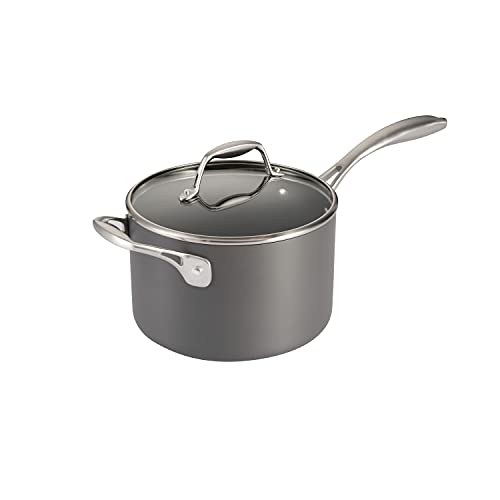
- Saucepan. A small, heavy-based saucepan helps control heat and prevents the curd from cooking too quickly.
- Whisk. Constant whisking keeps the curd smooth and lump-free.
- Fine mesh sieve (optional). Strains out zest or any small lumps for an extra silky texture.
- Citrus juicer. Makes extracting lemon juice quicker and cleaner. A handheld squeezer works fine for this volume.
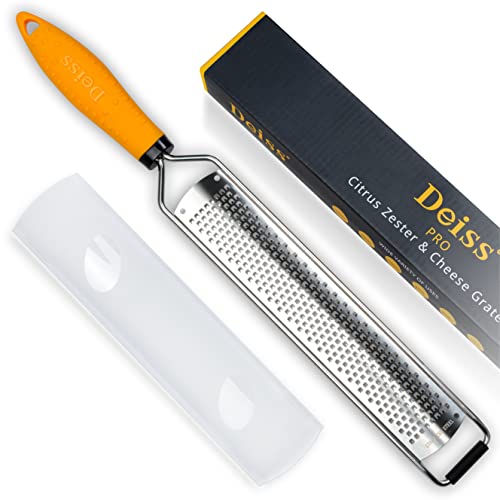
- Zester or microplane. Finely zests the peel without grabbing the bitter white pith.
- Heatproof spatula. Useful for scraping down the sides of the pan and stirring between whisks.
- Storage jar. A small glass jar with a tight lid is best for refrigerator storage.
How to Make Lemon Curd
The recipe is simple, but the order of operations is what keeps the curd from splitting. Follow the steps below in order.
- Zest the lemons, then juice them. Always zest first. It is much easier to zest whole lemons than ones you have already squeezed. Juice lemons at room temperature to get more juice out of each lemon.
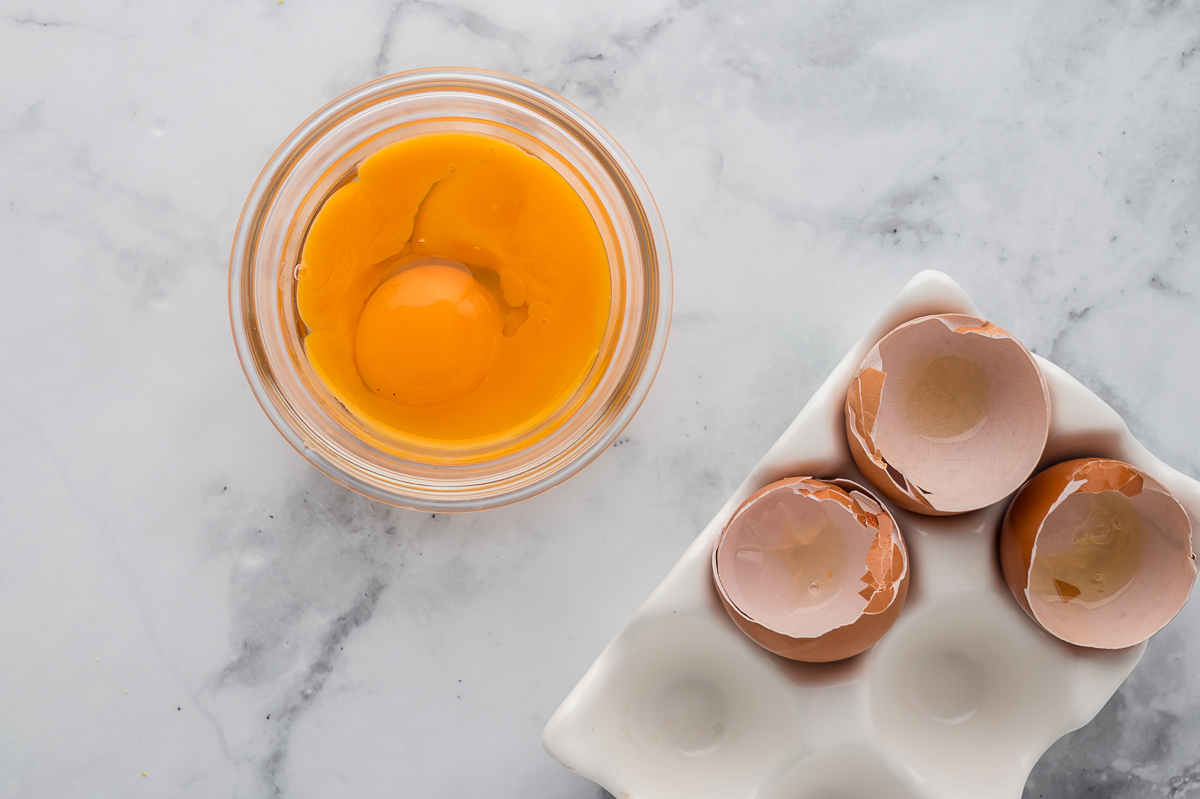
- Separate the egg yolks from the whites. Save the whites for another recipe (see the note below).
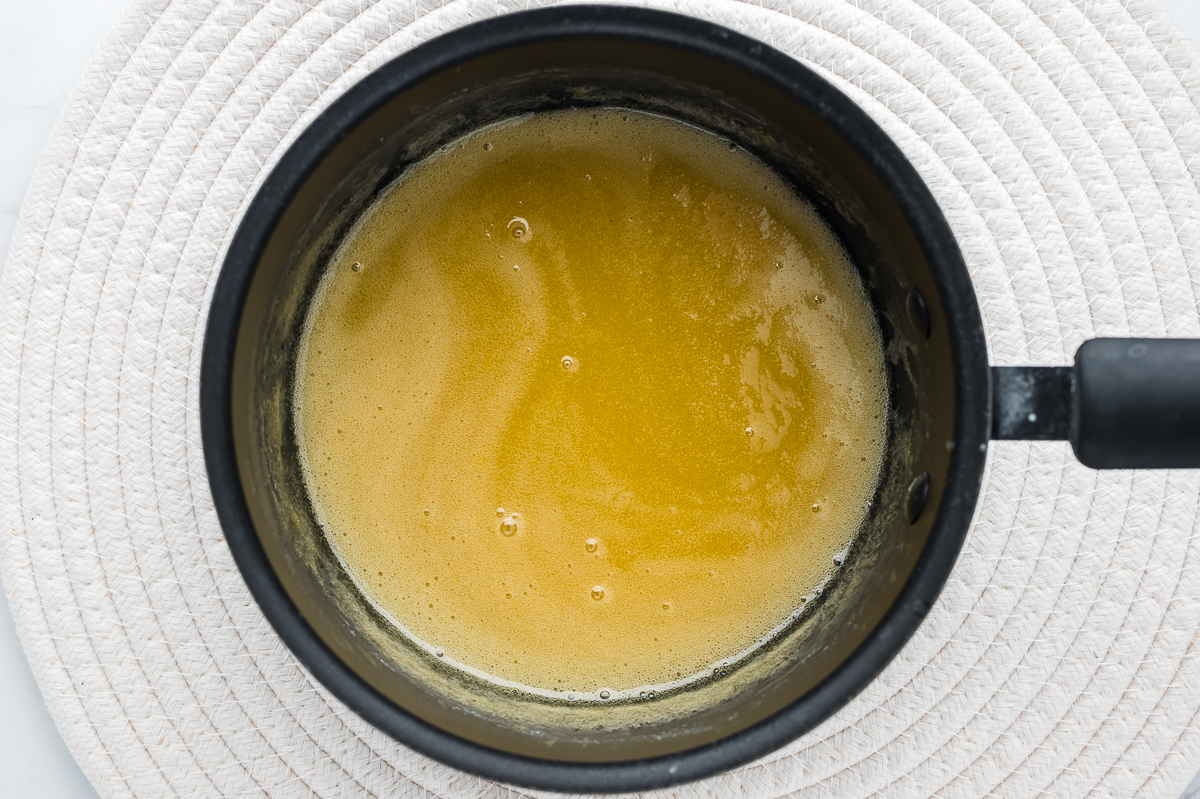
- Whisk the egg yolks and lemon juice together in a saucepan over low heat. Low heat is non-negotiable. High heat scrambles yolks.
- Add the granulated sugar and lemon zest, and continue whisking. The sugar dissolves into the yolk mixture and protects it from the heat.
- Cook gently, whisking constantly, until the mixture thickens enough to coat the back of a spoon. You should be able to draw a line through the coating with your finger and have the line stay separated. The color will shift to a richer, more opaque yellow as the eggs cook.
- Remove from the heat. Add the cold butter and whisk until smooth and glossy. Adding butter off the heat prevents the curd from splitting and gives you that signature silky finish.
- Strain through a fine mesh sieve if you want a perfectly smooth curd. This step is optional but recommended if you plan to use the curd as a filling.
- Cool, then refrigerate. The curd will thicken further as it cools.

Whole Eggs vs. Egg Yolks Only
You can make lemon curd with whole eggs or with egg yolks only. They produce noticeably different results. Use this comparison to decide which version fits the use you have in mind.
| Feature | Yolks Only (this recipe) | Whole Eggs |
|---|---|---|
| Color | Deep, rich yellow | Paler, lighter yellow |
| Texture | Silky, custard-like | Slightly looser, less rich |
| Richness | Higher fat from yolks alone | Lower fat, brighter feel |
| Tartness | Balanced by yolk richness | Tartness reads more sharply |
| Best for | Cake fillings, tart bases, spooning over cheesecake | Toast, scones, swirling into yogurt |
| Egg whites left over | Yes (use for meringues or angel food cake) | No |
To make this recipe with whole eggs instead of yolks, replace each yolk with one whole egg and reduce the cook time slightly. The curd thickens faster with whole eggs because the whites add additional protein.
What to Do With Leftover Egg Whites
This recipe leaves you with egg whites, which can sit in the fridge for up to four days or freeze for three months. A few ideas for using them:
- Meringue topping for a tart or pie
- Pavlova base
- Macarons
- Angel food cake
- Egg white omelet
How to Store Lemon Curd
Let the curd cool completely before transferring it to an airtight container or jar. Store it in the refrigerator for up to one week. Press a piece of plastic wrap directly onto the surface of the curd to prevent a skin from forming, or seal the container tightly.
For longer storage, freeze the curd in an airtight container for up to three months. Leave a little space at the top for expansion. Thaw overnight in the fridge and stir before using to restore the smooth texture.
Always use a clean spoon when serving. This keeps the curd fresh longer.

Tips for the Best Lemon Curd
- Use fresh lemons when you can. Fresh juice and zest taste brighter than bottled. Bottled juice works, but the flavor will be flatter.
- Zest before juicing. Whole lemons are far easier to zest than squeezed halves.
- Low heat is non-negotiable. High heat scrambles the yolks before the curd has a chance to thicken.
- Whisk constantly. Stopping for even a few seconds at the wrong moment causes lumps and uneven texture.
- The curd thickens as it cools. If it looks slightly thin in the pan, that is normal. Pull it off the heat when it coats the back of a spoon.
- Add butter off the heat. Cold butter into a hot mixture off the burner gives you the glossy finish and prevents splitting.
- Strain for silk. If the curd is destined for a filling or a topping, strain through a fine mesh sieve before chilling.

Troubleshooting
Most lemon curd failures fall into one of four categories. Here is what causes each one and how to fix it.
Why did my lemon curd split or scramble?
Splitting and scrambling both come from heat that is too high. The egg yolks cook too fast and seize before the sugar and acid can stabilize them. To fix curd that has scrambled slightly, immediately strain it through a fine mesh sieve. The strained curd often comes out smooth. If the texture is badly broken, blend it briefly with an immersion blender, then strain. Prevent it next time by keeping the heat low and never walking away from the pan.
Why is my lemon curd grainy?
Graininess usually means the eggs cooked unevenly, often from inconsistent whisking or hot spots in the pan. Strain the finished curd through a fine mesh sieve to remove any cooked egg bits. Use a heavy-based saucepan next time to distribute heat more evenly.
Why didn't my lemon curd thicken?
Thin curd usually means it didn't cook long enough. Lemon curd should coat the back of a spoon and hold a line when you draw your finger through it. If yours is still runny when you pull it off the heat, return it to low heat and whisk for another minute or two. Remember that the curd thickens further as it cools, so if it is just slightly thinner than you want, refrigerate it overnight before deciding.
Why is my lemon curd too thick or rubbery?
Overcooked curd turns rubbery because the egg proteins have set too firmly. Once it has reached this point, the only fix is to whisk in a tablespoon or two of fresh lemon juice or warm water to loosen the texture. Catch this earlier next time by removing the pan from the heat the moment the curd coats a spoon.
How long does lemon curd take to set?
The curd thickens noticeably as it cooks, but full set happens in the refrigerator over several hours. For most uses, four hours of chilling is enough. For a firm set suitable for cake fillings or tart bases, chill overnight.
Can I double the lemon curd recipe?
Yes. Double everything in equal proportion. The cook time will be slightly longer because there is more volume to heat. Whisk constantly and watch for the same coating-the-back-of-a-spoon visual cue.
Variations
Once you have the base technique down, the recipe takes well to flavor swaps and citrus substitutions.
Make It Dairy-Free
Replace the butter with a plant-based butter alternative. Choose one with a neutral flavor and a high fat content for the best texture. Miyoko's and Country Crock Plant Butter both work well.
Meyer Lemon Curd
Meyer lemons are sweeter and slightly floral, which produces a softer, less tart curd. Use Meyer lemons one-for-one in place of regular lemons. You can reduce the sugar by a tablespoon or two if you want the natural sweetness to come through.
Other Citrus Curds
The same recipe works for lime curd, orange curd, and grapefruit curd. Substitute the citrus juice and zest one-for-one. Lime curd reads tarter and turns a pale, almost greenish yellow. Orange curd is sweeter and milder, so reduce the sugar by 25 percent. Grapefruit curd has a beautiful pink tint and a slightly bitter edge that pairs well with shortbread.
Other Flavor Swaps
- Berry lemon curd. Stir in a few tablespoons of strained raspberry or strawberry puree after the butter has melted in.
- Vanilla lemon curd. Add a teaspoon of vanilla extract after cooking for a softer, rounder flavor.
- Passionfruit curd. Replace half the lemon juice with strained passionfruit pulp for a tropical version.
- Ginger lemon curd. Stir a teaspoon of finely grated fresh ginger into the warm curd just before chilling.
- Honey lemon curd. Replace half the sugar with honey for a deeper, floral sweetness.
Lemon Curd vs. Lemon Pie Filling
People often confuse lemon curd with lemon pie filling, but they are different preparations with different uses. Lemon curd is thickened with egg yolks and butter only, which gives it a richer, more custard-like texture. Lemon pie filling is typically thickened with cornstarch and uses fewer eggs, which produces a glossier, more gelatinous result that holds a sliced edge well.
Use lemon curd for spreads, cake fillings, and toppings. Use lemon pie filling when you specifically need filling that slices cleanly inside a baked pie shell.

Frequently Asked Questions
What is lemon curd?
Lemon curd is a smooth, custard-like spread made from lemon juice, sugar, egg yolks, and butter. It has a tangy flavor and a rich texture similar to a soft pudding.
Is lemon curd gluten-free?
Yes. Traditional lemon curd is naturally gluten-free, with no flour or wheat-based thickeners required. This recipe uses only egg yolks, sugar, lemon juice, lemon zest, and butter, all of which are safe for celiac and gluten sensitivity. If you are buying lemon curd rather than making it, check the label for added thickeners or stabilizers that may contain gluten.
Why did my lemon curd split or scramble?
Splitting and scrambling come from heat that is too high. Keep the burner on low and whisk constantly. If the curd has already split, strain it through a fine mesh sieve or blend briefly with an immersion blender, then strain. Adding the butter off the heat also prevents splitting.
Can I use whole eggs instead of just yolks?
Yes. Replace each yolk with one whole egg. The curd will be paler in color, slightly less rich, and a touch tarter. Yolks-only gives you the classic deep yellow, custard-like texture; whole eggs give you a lighter, brighter version. Both are good.
Can you freeze lemon curd?
Yes. Lemon curd freezes well in an airtight container for up to three months. Leave a little space at the top for expansion. Thaw overnight in the fridge and stir before using.
How long does lemon curd last?
Lemon curd lasts up to one week in the refrigerator when stored in an airtight container, or up to three months in the freezer.
What can you do with lemon curd?
Lemon curd is versatile. Spread it on toast or scones, use it as a cake or tart filling, swirl it into yogurt, top a cheesecake, fill thumbprint cookies, or serve it alongside pancakes and waffles.
Can you use lemon curd as a cheesecake topping?
Yes. Lemon curd works beautifully as a cheesecake topping. The brightness of the lemon balances the richness of the cheesecake, and a thin layer of curd over the top sets up nicely once chilled.
More Gluten-Free Lemon Recipes
Lemon curd is the workhorse of gluten-free citrus baking. Pair it with any of these recipes for a finished dessert:
- Gluten-Free Lemon Cake
- Gluten-Free Lemon Cupcakes
- Gluten-Free Lemon Drizzle Cake
- Gluten-Free Lemon Meringue Pie
- Easy Gluten-Free Lemon Bars
- Gluten-Free Lemon Cookies
- Gluten-Free Lemon Crinkle Cookies
- Gluten-Free Lemon Donuts
- Easy Gluten-Free Lemon Pound Cake
- Lemon Elderflower Cupcakes
- Lemon Posset
- Lemon Cheesecake
- Gluten-Free Pie Crust (for tarts)
- Gluten-Free Cheesecake
If you make this lemon curd, leave a comment below and let me know what you spread it on, baked it into, or layered it over. We read every comment and love seeing what you do with our recipes.
Lemon Curd

This lemon curd is smooth and full of fresh lemon flavor. Ready in about 20 minutes, it is perfect for spreading on toast, filling cakes, or adding to your favorite treats.
Ingredients
- 3 egg yolks
- ½ cup lemon juice (fresh squeezed or bottled)
- ½ cup granulated sugar
- 5 tablespoons butter (unsalted)
- 2 tablespoons lemon zest
Instructions
- Zest the lemons, then juice them.

- Separate the egg yolks from the whites.
- Whisk the egg yolks and lemon juice together in a saucepan over low heat.
- Add the granulated sugar and lemon zest, and continue whisking.
- Remove from the heat, then add the cold butter. Whisk until smooth.
 Whisk until smooth.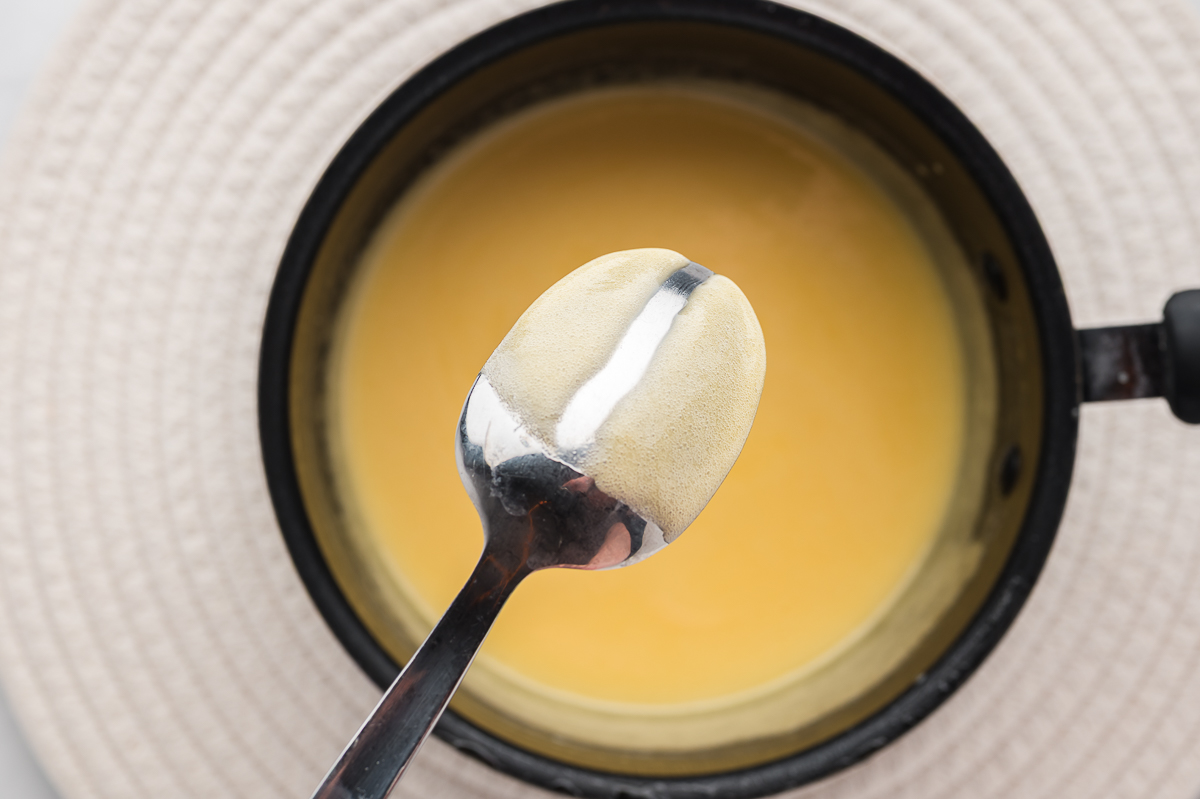
Notes
- Use fresh lemons if possible. Fresh juice and zest give the best flavour. Bottled juice works, but the taste will be slightly less vibrant.
- Zest before juicing. It is much easier to zest whole lemons than squeezed ones.
- Low heat is key. Cooking too fast or on high heat can scramble the egg yolks. Keep the heat low and whisk constantly.
- Do not skip stirring. Continuous whisking helps create a smooth, creamy texture and prevents lumps.
- It thickens as it cools. The curd will look slightly thin when you remove it from the heat. It will set properly once chilled.
- Butter goes in off the heat. This helps create a smooth, glossy finish and prevents the curd from splitting.
- Strain for extra smoothness (optional). If you want a silky finish, strain the curd through a fine mesh sieve before chilling.
Recommended Products
As an Amazon Associate and member of other affiliate programs, I earn from qualifying purchases. They never cost you extra.


Nutrition Information:
Yield:
10Serving Size:
1Amount Per Serving: Calories: 120Total Fat: 7gSaturated Fat: 4gUnsaturated Fat: 3gCholesterol: 71mgSodium: 51mgCarbohydrates: 14gFiber: 0gSugar: 13gProtein: 1g
This nutrition info is based on the exact ingredients and brands used at the time. It may not be 100% accurate. Please check your ingredients nutrition labels.
DID YOU MAKE THIS RECIPE?
Tag @glutenfreepalate on Instagram and hashtag it #glutenfreepalatebaker so we can see all the deliciousness!


Leave a Question or Comment