


Yes, most baking powder sold in the United States is gluten-free. The three main ingredients in baking powder are baking soda, cream of tartar, and a starch. Each of those is naturally gluten-free on its own. The risk comes from the starch. Most American brands use cornstarch, which is safe. A small number of imported or specialty brands use wheat starch, which is not.
If you have celiac disease or non-celiac gluten sensitivity, you can use baking powder. You just need to read the label every time. Brand formulas change, and a so-called "safe" can in your pantry from two years ago isn't the same as the can on the shelf today.
Why Baking Powder Is Usually Gluten-Free
Baking powder is a leavening agent. It releases carbon dioxide when it gets wet and warm, which is what makes biscuits rise and pancakes fluffy. The recipe for baking powder is simple:
- Baking soda (sodium bicarbonate). Naturally gluten-free.
- An acid, usually cream of tartar or sodium aluminum sulfate. Naturally gluten-free.
- A starch to absorb moisture and keep the other two from reacting before you use them. That's where gluten can (but usually doesn't) show up.
Cornstarch is the standard starch used by American manufacturers. It is gluten-free and cheap. Some European and specialty brands use wheat starch instead, which is processed but still contains gluten unless it has been specifically de-glutenized to under 20 parts per million and certified.
So the real question is what starch is in the specific can in front of you. Once you know that, you have your answer.
Gluten-Free Baking Powder Brands You Can Trust
These brands are confirmed gluten-free as of May 2026. I use most of them in my own kitchen and have not had an issue.
- Clabber Girl. Cornstarch-based and labeled gluten-free.
- Rumford Baking Powder. Aluminum-free and cornstarch-based, labeled gluten-free. This is the one I keep on hand most of the time.
- Davis Baking Powder. Cornstarch-based and labeled gluten-free.
- Argo Baking Powder. Cornstarch-based and labeled gluten-free.
- Bob's Red Mill Baking Powder. Certified gluten-free by the Gluten-Free Certification Organization (GFCO). Made in a dedicated gluten-free facility, which is the safest option for celiac.
- Hain Pure Foods Featherweight Baking Powder. Sodium-free and gluten-free. Made with potato starch instead of cornstarch.
If you want the most conservative choice, Bob's Red Mill is the only major brand with full GFCO certification and a dedicated facility. Everything else on this list is labeled gluten-free, which under FDA rules means under 20 parts per million, but is produced in shared facilities.
Brands and Products to Avoid or Double-Check
A few baking powders use wheat starch or are produced in facilities where cross-contamination is a real risk. The pattern is usually European brands or specialty bakery powders.
- Imported European baking powders. Wheat starch is more common in European formulations. If the label is in another language and you cannot read the ingredient list, do not use it.
- Generic or store-brand baking powder without a "gluten-free" label. The starch may still be cornstarch, but without a label commitment, the formula can change without warning.
- Bulk-bin baking powder from a coop or refill store. Even if the original product was gluten-free, the bin and scoop are usually shared. Skip it.
If the can does not say "gluten-free" somewhere on the packaging, treat it as unknown until you read the ingredient list. Look for "wheat," "wheat starch," or any flour. If you see any of those, put it back on the shelf.
Cross-Contamination Risk With Baking Powder
Baking powder is shelf-stable and dry, which limits the cross-contamination risk during production compared to fresh foods. The risk is in three places:
- Shared production lines with wheat-based products. That's why a "gluten-free" label matters more than just an ingredient check. Certified gluten-free (GFCO seal) goes one step further and confirms a dedicated facility or audited line.
- Your own kitchen. If you bake gluten and gluten-free in the same kitchen, your baking powder can pick up flour from a shared measuring spoon. Use a dedicated spoon for the can, or pour a small amount into a separate bowl before measuring.
- Old baking powder. Baking powder loses potency after about six months once opened. An old can is still safe to eat, it just will not rise your biscuits. Keep a fresh can and write the open date on the lid.
For celiac, the certified option is worth the extra dollar or two per can. For NCGS, a labeled gluten-free brand is usually fine if you handle it carefully at home.
How to Read a Baking Powder Label
The ingredient list on baking powder is usually three or four lines long. Here is what to look for, in order:
- "Gluten-free" on the front of the can. This is the fastest signal. Under FDA rules, this means under 20 parts per million of gluten.
- The starch ingredient. "Cornstarch" or "corn starch" is safe. "Potato starch" is safe. "Wheat starch" isn't safe unless the product is also explicitly labeled gluten-free.
- Allergen statements. Look for "Contains: wheat" or "May contain wheat." If either appears, do not use it.
- Certification seals. The GFCO seal (a circle with "GF" inside) is the strongest gluten-free certification in the US. Other seals exist, but GFCO is the one most celiac patients trust.
If a brand changes its formula, the label will reflect it. The can you bought last year isn't necessarily the same product on the shelf today. If you're asking, "is baking powder gluten free?", you can double check the label to be sure every time.
Can You Make Your Own Gluten-Free Baking Powder?
Yes, and it is easier than you would think. If you can't find a brand you trust, or you run out mid-recipe, you can make a small batch in about thirty seconds.
Homemade baking powder (gluten-free):
- 1 part baking soda
- 2 parts cream of tartar
- 1 part cornstarch (optional, helps with shelf stability)
Whisk together in a small bowl. Use the mixture immediately or store in an airtight container. The cornstarch keeps the cream of tartar and baking soda from reacting, but if you skip it, just mix what you need fresh each time. It's single-acting, which means it reacts as soon as it gets wet, so get your batter into the pan or oven quickly.
For most home baking, this works exactly the same as the canned version. The texture and rise are nearly identical.
Recipes That Use Gluten-Free Baking Powder
Once you have a trusted brand in your pantry, baking powder shows up in most of the gluten-free recipes I make every week. Here are a few favorites that lean on it:
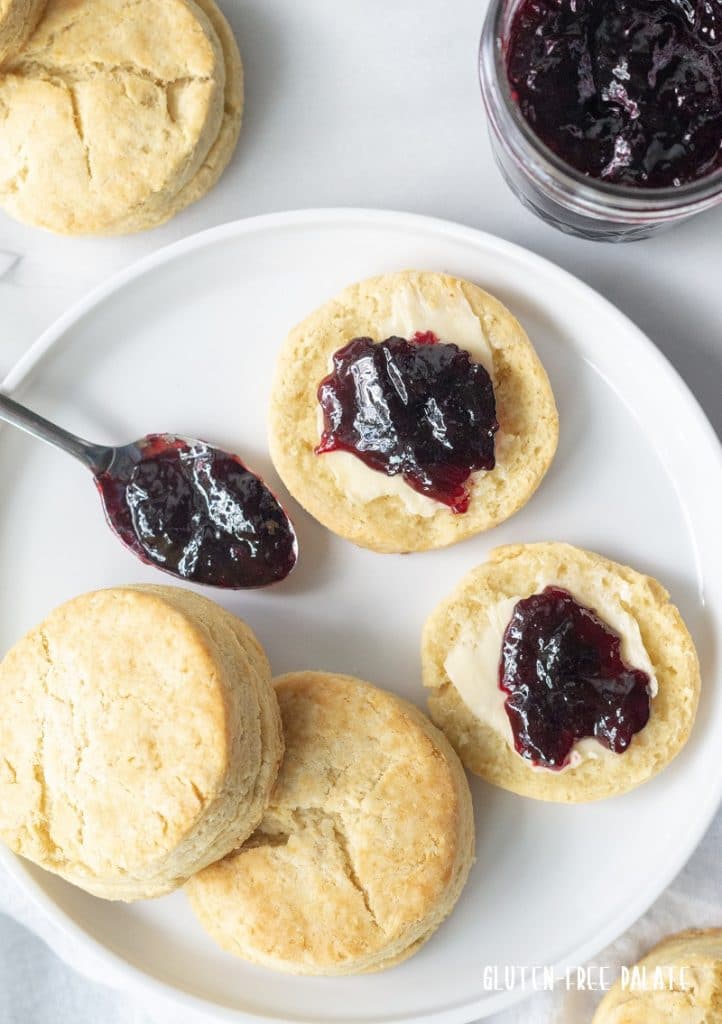
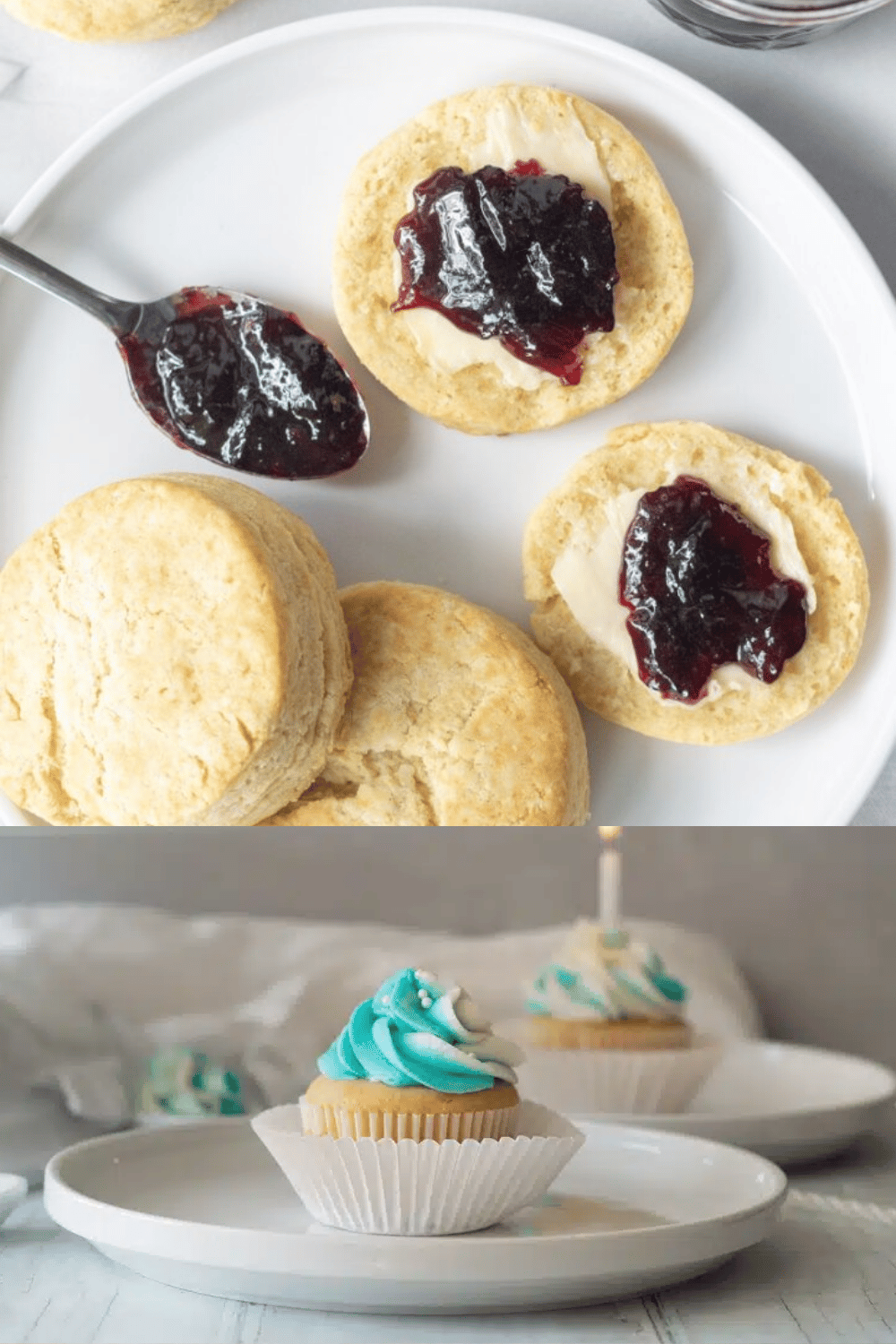
Gluten-Free Southern Biscuits. Ten ingredients and flaky layers. Baking powder does the heavy lifting on the rise.
Gluten-Free Tortillas. Soft and pliable enough to roll without cracking. Baking powder gives them just enough lift without making them puffy.

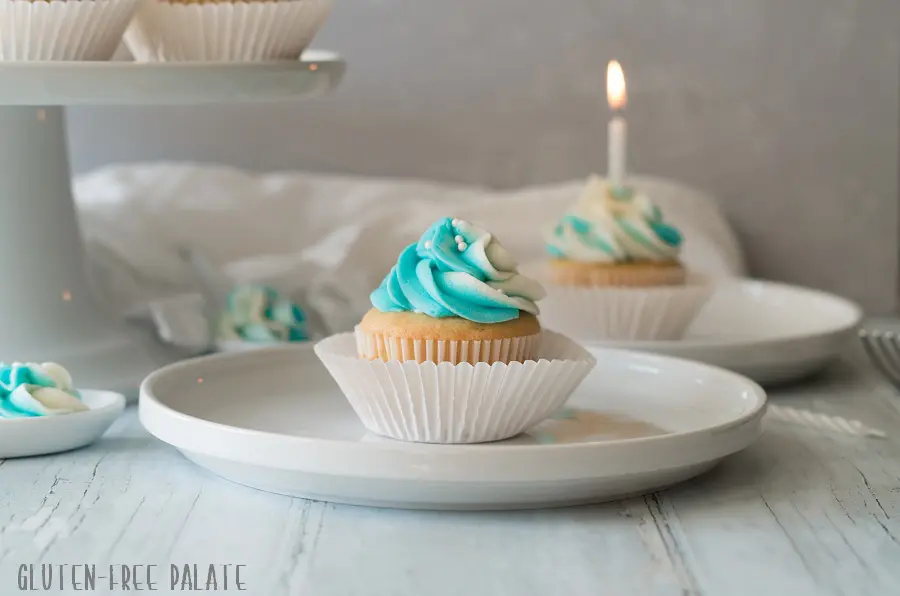
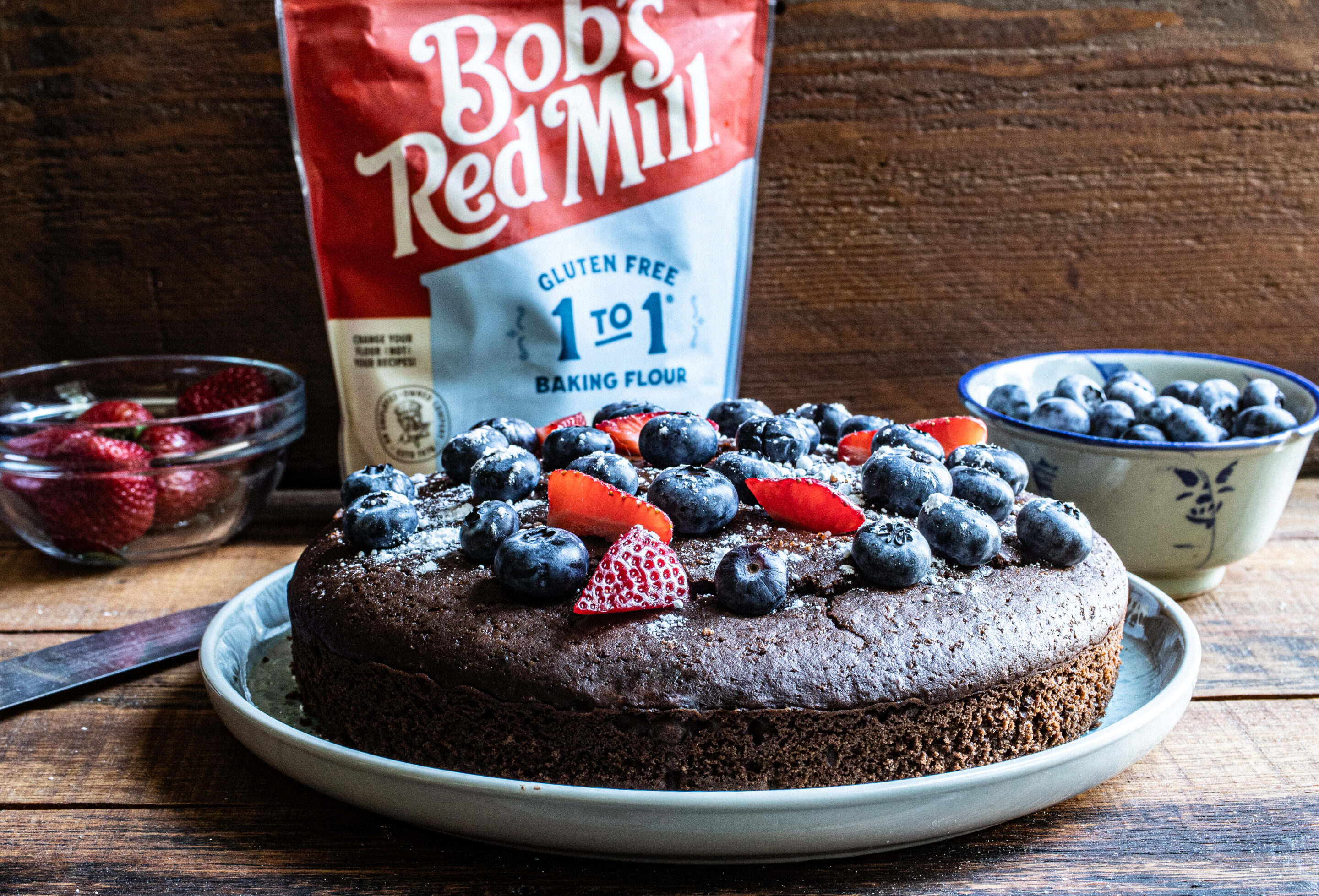
Gluten-Free Vanilla Bean Cupcakes. Tender and fluffy with a clean vanilla flavor. The baking powder is what keeps them from sinking in the middle. And yes, there are many other options if you're looking for gluten-free cakes. I especially love this gluten-free chocolate cake.
Gluten-Free Bread. The most-used (and most loved) recipe on our site. Yeast does most of the lifting, but the baking powder gives the loaf an extra boost during the early bake.

Frequently Asked Questions
Is Clabber Girl baking powder gluten-free?
Yes. Clabber Girl is cornstarch-based and labeled gluten-free.
Is Rumford baking powder gluten-free?
Yes. Rumford is aluminum-free and cornstarch-based, labeled gluten-free.
Is Bob's Red Mill baking powder gluten-free?
Yes. It is certified gluten-free by GFCO and made in a dedicated gluten-free facility, which makes it the safest option for celiac.
Is baking soda gluten free?
Yes, it's gluten free. Baking soda is just another word for sodium bicarbonate. It doesn't contain gluten.
Does baking powder contain wheat?
Most American baking powder does not contain wheat. The starch in it is almost always cornstarch. Some imported or specialty brands use wheat starch, so check the label any time the brand is unfamiliar.
What is the difference between baking powder and baking soda?
Baking soda is pure sodium bicarbonate and needs an acid in the recipe to work. Baking powder is baking soda already mixed with an acid and a starch, so it works on its own when wet. Both are gluten-free in their pure forms.
Can I substitute baking soda for baking powder?
Not directly. Baking soda is about three times stronger than baking powder, and it needs an acidic ingredient like buttermilk, lemon juice, or yogurt to activate. If a recipe calls for baking powder, use baking powder.
How long does baking powder last?
About six months after opening, if stored airtight in a cool, dry pantry. To test if it is still active, drop a teaspoon into a half-cup of hot water. If it fizzes immediately, it is still good.
The Bottom Line
Most baking powder is gluten-free. The major US brands like Clabber Girl, Rumford, Davis, and Argo are all safe. Bob's Red Mill is the safest of the safe if you have celiac and want certified production. Watch out for imported European brands that may use wheat starch, and read the label every time you buy a new can.
When in doubt, the homemade version takes thirty seconds and works just as well.
DID YOU MAKE THIS RECIPE?
Tag @glutenfreepalate on Instagram and hashtag it #glutenfreepalatebaker so we can see all the deliciousness!


Leave a Question or Comment