


These almond flour peanut butter cookies have a soft center with crispy edges. They're a great cookie to gift or to have anytime you feel like a treat.

The Best Homemade Almond Flour Peanut Butter Cookies Recipe
These cookies have one of our favorite ingredients, peanut butter. My love story with peanut butter didn't start off on the right foot. I was in my early 20s au pairing the sweetest boy, and a bit got on my finger. I popped it in my mouth without thinking, and that was where my love for it began. Soon I was making us both peanut butter sandwiches for lunch after his school pickup every day.
My weakness is fresh gluten-free bread with peanut butter thickly slathered on. My son has recently started liking crunchy peanut butter too. My daughter loves chocolate chips in everything, so her go-to cookie is almond flour chocolate chip cookies.
Now go use up some more of that almond flour on this collection of almond flour recipes. And we have so many cookie recipes on this site so you're spoiled for choice.
Why You'll Love This Almond Flour Peanut Butter Cookies Recipe
- Great gluten-free baking. No special flour blends required for these almond flour cookies. All you need is simple almond flour.
- Soft and tender texture. Almond flour creates a delicate crumb that stays soft even after cooling, so they literally melt in your mouth.
- Make-ahead friendly. Chill the dough in advance and it's ready whenever cravings strike. My kids love having a scoop of dough waiting in the fridge.

Ingredients In Gluten-Free Almond Flour Peanut Butter Cookies
These cookies use everyday pantry staples so no rushing off to the store.
- Unsalted butter. Make sure it's softened, not melted, so it creams properly with the sugars and creates a tender texture.
- Egg. Use a room-temperature egg for smoother mixing and better emulsification. This recipe has not been tested with an egg substitute like flax egg. Because almond flour lacks gluten structure, replacing the egg may affect texture and binding.
- Granulated sugar. Adds sweetness and helps create slightly crisp edges. You can slightly reduce the sugar, but doing so may affect the spread and browning. Sugar alternatives may change the texture and are not a direct 1:1 swap.
- Light brown sugar. Dark brown sugar can be used for a deeper caramel flavor. Do not omit it, as it adds moisture and chewiness.
- Creamy peanut butter. Use standard creamy peanut butter such as Jif or Skippy for the best results. Natural peanut butter that separates can make the dough oily and cause spreading. If you use natural peanut butter, stir it very well and chill the dough thoroughly.
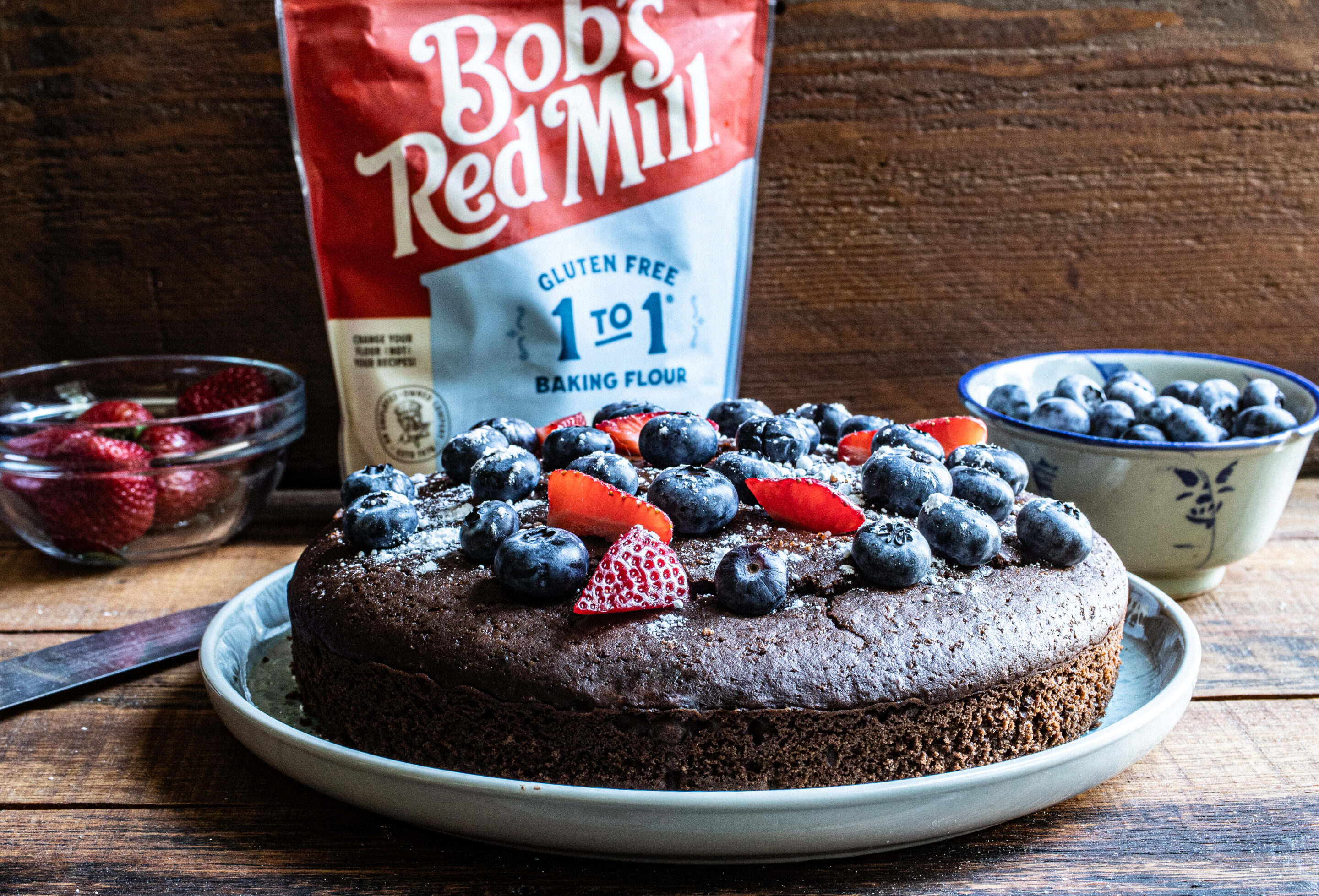
- Finely ground almond flour. Use blanched almond flour for the best texture. Trusted brands include Bob's Red Mill, Anthony's, and Kirkland. Almond meal will also work but produces a coarser texture. Flour substitutions in gluten-free baking behave differently, so there is not a direct swap. Here's an intro to gluten-free flour options.
- Cornstarch. Helps create a softer texture and prevents excessive spreading. If you leave it out, the cookies may be slightly denser and spread more.
- Baking soda. This leavening agent helps the cookies rise slightly and brown properly. It keeps the cookies from turning out flat and crumbly.
Note that some recipes use honey, coconut sugar, or maple syrup for extra sweetness. This one doesn't need it. The cookie dough is already sweet enough, and these ingredients keep everything simple.
Equipment Needed
Most of what you need is the same standard kitchen equipment you'd use for regular peanut butter cookies. Two items worth calling out: use a kitchen scale to measure almond flour accurately because cups vary too much and can throw off the texture, and use a small cookie scoop to portion evenly sized cookies that bake at the same rate. You'll also need a baking sheet lined with parchment paper and a hand mixer or stand mixer to cream the butter and sugars properly.
How To Make Almond Flour Peanut Butter Cookies
I highly suggest you make a double batch. Here are the steps to make these easy cookies.
In a medium mixing bowl, cream the softened butter with the granulated sugar and brown sugar for 1 to 2 minutes until the mixture is lighter in color.
Add the egg and beat until emulsified and smooth. Stir peanut butter in to mix everything until it's fully incorporated.
Add the almond flour, sifted cornstarch, and baking soda. Mix just until a uniform dough forms and stop there to avoid overmixing.
Cover the dough and refrigerate for at least 1 hour. This step is vital because it controls spreading during baking. Using a cookie scoop or spoon, portion the dough into balls and place them on a parchment-lined baking sheet with enough space between each cookie. That's key, because it keeps everything separate on the cookie sheet as the dough cooks.

Bake in a preheated oven at 350°F (175°C) for 14 to 16 minutes until the edges are golden and the centers are still slightly soft. Remove from the oven and add flaky sea salt if using.
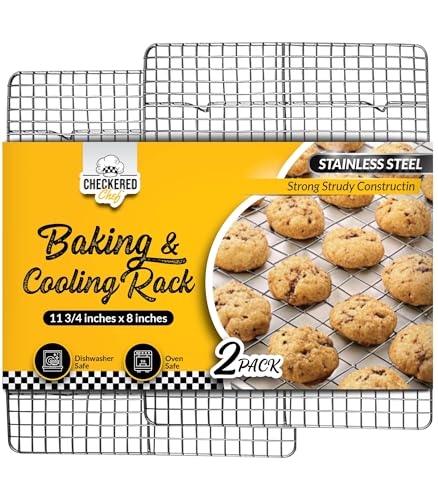
Let the cookies rest on the baking sheet for 5 to 10 minutes before transferring to a wire rack to cool completely. You can eat them right away or store them in an airtight container. They're best in the first 3-4 days.

Tips for Success
These are the things that make the difference between good cookies and great ones.
- Don't skip the chill time. Almond flour dough has no gluten to hold its structure, so it spreads aggressively at room temperature. Chill for a full hour at minimum, and longer is always fine.
- Pull them out when the centers still look underdone. This is the most common mistake with almond flour cookies. They will look soft and slightly underset when they come out of the oven, and that is correct. They firm up significantly as they cool on the pan, and overbaking makes them dry.
- Use a kitchen scale for the almond flour. Measuring by cup varies too much. Too much almond flour makes the cookies dense and dry, and too little causes spreading.
- Stick with standard creamy peanut butter. Jif and Skippy consistently outperform natural varieties in this recipe. Natural peanut butter carries too much oil separation, even when stirred well.
- No fork crosshatch needed. Classic peanut butter cookies call for pressing a crosshatch pattern with a fork, but this recipe skips it. The cookies spread naturally and develop their own crinkled top. If you prefer the traditional look, gently press with a fork before chilling.
Variations
This recipe is easy to build on once you've made it once.
- Chocolate chip peanut butter cookies. Fold in half a cup of chocolate chips or chunks after mixing the dough. This is my daughter's personal request every time.
- Chocolate drizzle. Melt dark chocolate and drizzle it over cooled cookies for a more finished, giftable look.
- Dairy-free. Swap the butter for an equal amount of softened coconut oil. The texture will be slightly different but still delicious.
- Lower sugar. Replace the granulated and brown sugar with a 1:1 erythritol blend. Texture and spread will vary, so chill the dough thoroughly before baking.
Frequently Asked Questions
Can almond flour peanut butter cookies be frozen?
Yes. You can freeze them two ways. Bake and cool the cookies completely, then freeze in a single layer before transferring to a freezer bag for up to 3 months. You can also freeze the raw dough balls on a baking sheet, store them in a bag, and bake them from frozen while adding 2 to 3 minutes to the bake time.
Why are my almond flour peanut butter cookies spreading too much?
The most common cause is skipping or shortening the chill time. Almond flour has no gluten to hold structure, so the dough needs at least 1 hour in the refrigerator before baking. Natural peanut butter that hasn't been stirred thoroughly can also cause spreading. Make sure your butter is softened, not melted.
Do you need to use a fork to press peanut butter cookies?
The classic crosshatch fork pattern is traditional for peanut butter cookies but not required here. This recipe skips it because the cookies spread naturally during baking and develop their own crinkled top. If you prefer the classic look, gently press with a fork after portioning and before chilling.
Can I make these peanut butter cookies without eggs?
This recipe has not been tested with an egg substitute. Because almond flour has no gluten structure, the egg plays a critical binding role. A flax egg may work but will likely result in a denser, more crumbly cookie. If egg-free baking is a priority, look for a recipe specifically developed without eggs.
How do you store almond flour peanut butter cookies?
Store them in an airtight container at room temperature for up to 3 to 4 days. For longer storage, refrigerate for up to a week or freeze for up to 3 months.
Can I use natural peanut butter in this recipe?
Standard creamy peanut butter like Jif or Skippy gives the most consistent results. Natural peanut butter that separates can make the dough oily and cause excessive spreading. If you use natural peanut butter, stir it very thoroughly and chill the dough for the full hour minimum.
Are almond flour peanut butter cookies keto?
This recipe as written uses granulated and brown sugar, so it is not keto. To make a lower-carb version, experiment with a 1:1 erythritol blend in place of the sugars, though texture and spread may vary. The almond flour base is naturally low-carb and grain-free.
Can you use almond flour for peanut butter cookies?
Yes, and it works beautifully. Almond flour creates a naturally tender, soft cookie with no gluten required. This recipe uses finely ground blanched almond flour for the best texture. Almond meal will also work but produces a slightly coarser crumb.
Almond Flour Peanut Butter Cookies

These almond flour peanut butter cookies have a soft center with crispy edges. They're perfect as a snack or edible gift.
Ingredients
- 7 tbsp (100 g) unsalted butter, softened
- 1 egg
- ⅓ cup + 1 tbsp (80 g) granulated sugar
- ½ cup + 1 tbsp (120 g) light brown sugar
- ½ cup (100 g) creamy peanut butter
- 1 ½ cups (150 g) finely ground almond flour, spooned and leveled
- ⅓ cup (44 g) cornstarch, sifted
- 1 teaspoon baking soda, sifted
- Flaky sea salt (optional)
Instructions
1. In a medium mixing bowl, cream the softened butter with the granulated sugar and brown sugar for 1–2 minutes, until lighter in color.
2. Add the egg and beat until emulsified and smooth.
3. Mix in the peanut butter until fully incorporated.
4. Add the almond flour, sifted cornstarch, and baking soda. Mix just until a uniform dough forms. Avoid overmixing.
5. Cover the dough and refrigerate for at least 1 hour. This step is vital, as it helps control spreading when baking.
6. Using a cookie scoop, portion the dough into balls and place them on a parchment-lined baking sheet, leaving enough space between each cookie.
7. Bake in a preheated 350°F (175°C) oven for 14–16 minutes, until the edges are golden and the centers are still slightly soft.
8. Remove from the oven. Add flaky sea salt if using.
9. Let the cookies rest on the baking sheet for 5–10 minutes before transferring to a wire rack to cool completely.
Notes
- For best results, spoon and level the almond flour instead of scooping directly from the bag.
- Chill time is important to prevent excessive spreading
Recommended Products
As an Amazon Associate and member of other affiliate programs, I earn from qualifying purchases. They never cost you extra.


Nutrition Information:
Yield:
12Serving Size:
1Amount Per Serving: Calories: 401Total Fat: 28gSaturated Fat: 6gUnsaturated Fat: 21gCholesterol: 33mgSodium: 190mgCarbohydrates: 33gFiber: 5gSugar: 19gProtein: 10g
This nutrition info is based on the exact ingredients and brands used at the time. It may not be 100% accurate. Please check your ingredients nutrition labels.
If you make this Almond Flour Peanut Butter Cookies recipe, please consider stopping by and letting me know what you think.
DID YOU MAKE THIS RECIPE?
Tag @glutenfreepalate on Instagram and hashtag it #glutenfreepalatebaker so we can see all the deliciousness!



Leave a Question or Comment