


In kitchens everywhere, almond flour is becoming a star ingredient. What used to be a specialty item for gluten-free diets is now a go-to for home bakers and pro chefs. With its rich, nutty flavor and tender crumb, almond flour can turn cookies into chewy perfection, muffins into bakery-worthy treats, and shortbread into melt-in-your-mouth goodness, all without a speck of wheat.

In this collection, I’m sharing my favorite almond flour recipes for cookies, muffins, shortbread, and cakes so you can enjoy delicious results that everyone at the table will love.
What Is Almond Flour, And Is It Gluten-Free?
Before we get to those recipes, is almond flour gluten-free? The quick answer is yes, it is, but there are some things you need to consider. But take a look at that article so you know all the ins and outs.
Almond flour is flour made from ground almonds - yes, you can make your own almond flour. It cannot always be used as a 1-1 swap for other flours, so we've put together a collection using almond flour.
You can use almond meal in place of almond flour in certain recipes. While the two have slightly different textures, both work well in most recipes like banana bread and muffins, though almond flour will give a softer, lighter result and is my preference.
How To Make Almond Flour
Making almond flour at home is simple and cost-effective. It is a great option if you cannot find it in stores or want a fresher gluten-free flour for baking.
- Bring a pot of water to a boil. Add the almonds and boil for about 1 minute.
Drain and rinse under cold water, then gently squeeze the almonds to remove the skins. - Spread the peeled almonds on a clean towel and let them dry completely. You can also place them in a low oven (about 100–120°C / 210–250°F) for 10–15 minutes. Almonds must be fully dry before blending to avoid clumping.
- Add the almonds to a blender or food processor. Pulse in short bursts until a fine, flour-like texture forms. Tip. Do not over-blend, or you will end up with almond butter.
- Sift the almond flour to remove any larger pieces. Re-blend any coarse bits until fine.
Tips When Making Almond Flour And Storage
- Use short pulses when blending to prevent oils from releasing.
- Work in small batches for a more even texture.
- Store in an airtight container to keep it fresh.
Store almond flour in the fridge for up to 1 month or the freezer for up to 3 months. Because of its natural oils, almond flour can go rancid if left at room temperature for too long.
Homemade almond flour is slightly coarser than store-bought, so it works best in recipes like banana bread, muffins, and pancakes rather than delicate baked goods.
How To Use Almond Flour In Recipes
I'd suggest you use recipes specifically created with almond flour. Gluten-free baking relies on the right balance of moisture and structure, and almond flour recipes are designed to account for this. If you like recipe development, then the next section covers things to look out for.
How To Swap Almond Flour Into Recipes (What To Consider)
Here are a few considerations to make when adjusting a recipe if you wish to do so. You may need to do a bit of trial and error until you reach the desired result.
- Reduce the Amount of Flour. Almond flour is heavier and moister than gluten-free blends. Start with about ¾ cup of almond flour for every 1 cup gluten-free flour blend. Then adjust based on the batter consistency.
- Increase Structure. Because almond flour has no gluten and no added binders, you need to add structure. Add extra eggs or binders like psyllium husk or flaxseed. This helps prevent crumbling and gives the bake stability.
- Adjust Liquid Carefully. Almond flour does not absorb liquid the same way. If your batter looks too wet, reduce the liquid slightly or add a small amount of coconut flour to absorb moisture.
- Expect a Different Texture. Your final item will be different from gluten-free flour blends. Almond flour creates a softer texture, more moisture, and a slightly dense crumb. It is ideal for banana bread, muffins, pancakes, or cookies.
- Watch the Fat Content. Almond flour is naturally high in fat, which can affect the balance of your recipe. You may need to reduce added oils or butter slightly.
- Adjust Baking Time. Almond flour browns faster than most gluten-free flours. Bake at a moderate temperature.
Best Almond Flour Recipes
So get your bag of almond flour, scroll to the recipe card, and let's get started with these favorite recipes.

Almond Flour Muffins With Blueberries
These almond flour muffins have a light, fluffy texture with a melt-in-your-mouth tender crumb and pops of fruit in every bite. Choose blueberry or banana from one easy base recipe, and once you've made these, there are endless variations to try.

Almond Flour Banana Bread
This almond flour banana bread is soft, moist, and packed with natural banana flavor, with a tender crumb that makes it hard to stop at one slice. Made in one bowl with simple ingredients, it is naturally gluten-free, grain-free, dairy-free, and paleo-friendly.

Almond Flour Pancakes
These almond flour pancakes hold together beautifully. It might sound like a small win, but if you have made almond flour pancakes before, you know it is not always guaranteed. Almond flour has no gluten, so the batter does not have a natural structure on its own.

Almond Flour Cookies
These almond flour chocolate chip cookies are crisp at the edges, soft in the center, and made with almond flour and flaxseed meal for rich texture and flavor.
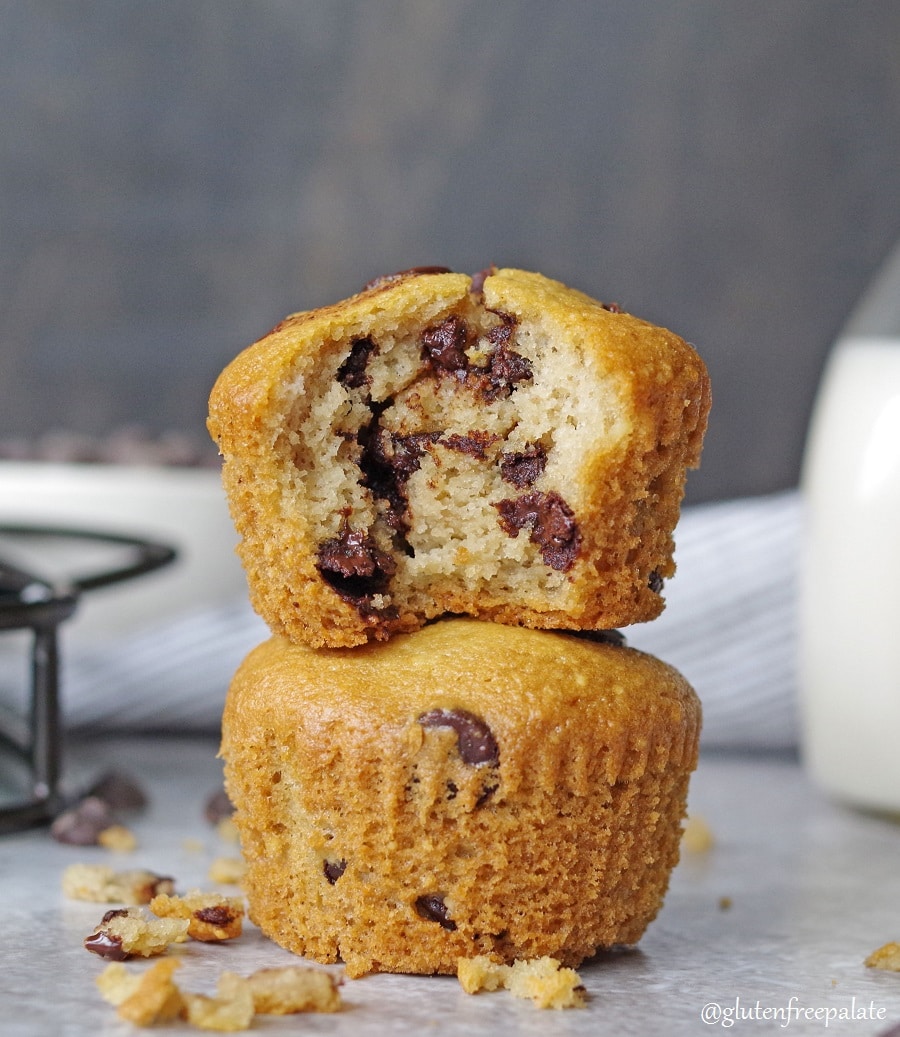
Paleo Chocolate Chip Muffins
These rich, fudgy paleo chocolate chip muffins are so good. These almond flour muffins are sweetened with maple syrup, giving them a moist and tender crumb.
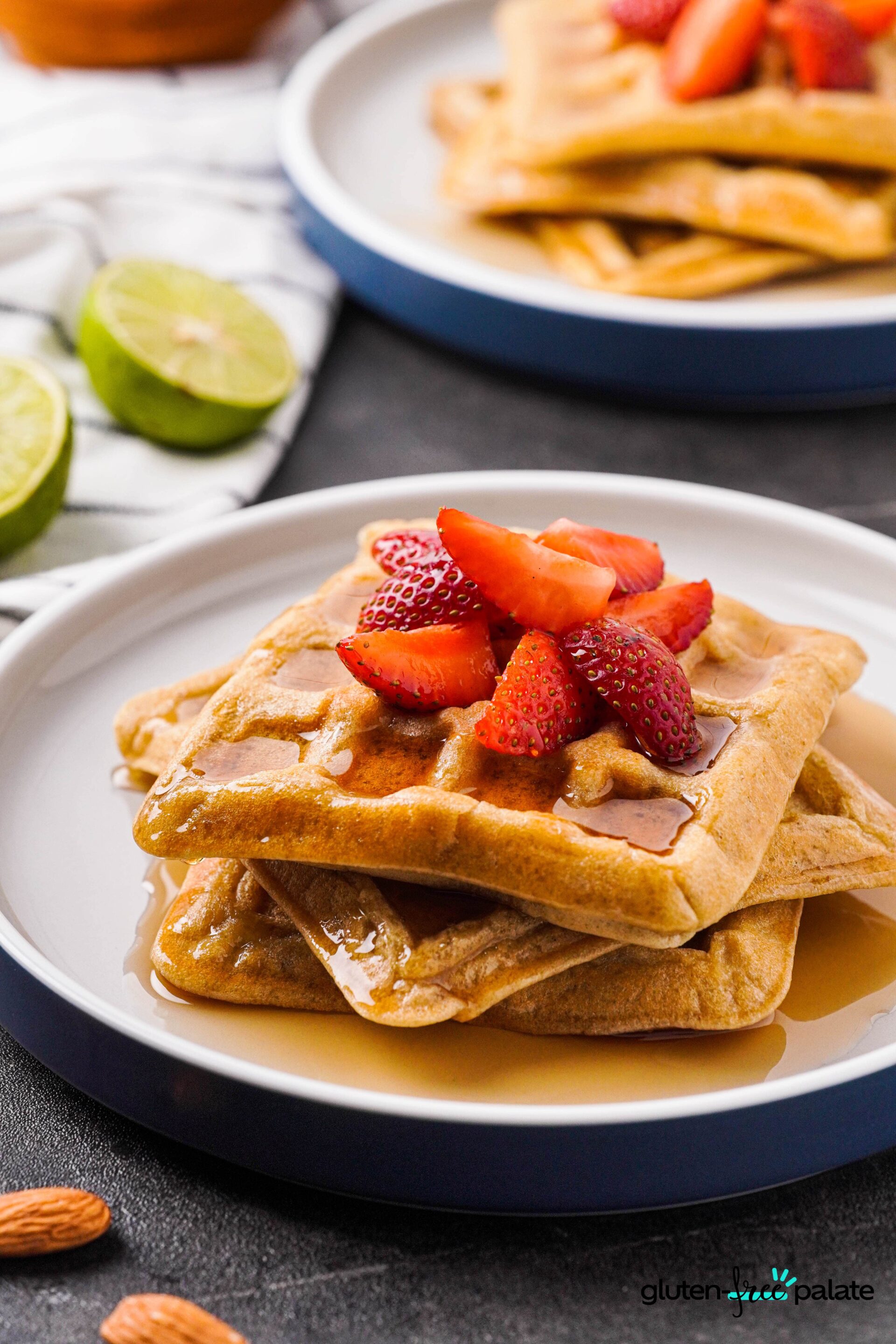
Paleo Waffles
If you love waffles, you need to make these paleo waffles. Light and crunchy on the outside, tender inside, these almond flour waffles are paleo-friendly and ready for your favorite breakfast toppings like berries, blueberries, bananas or strawberries.
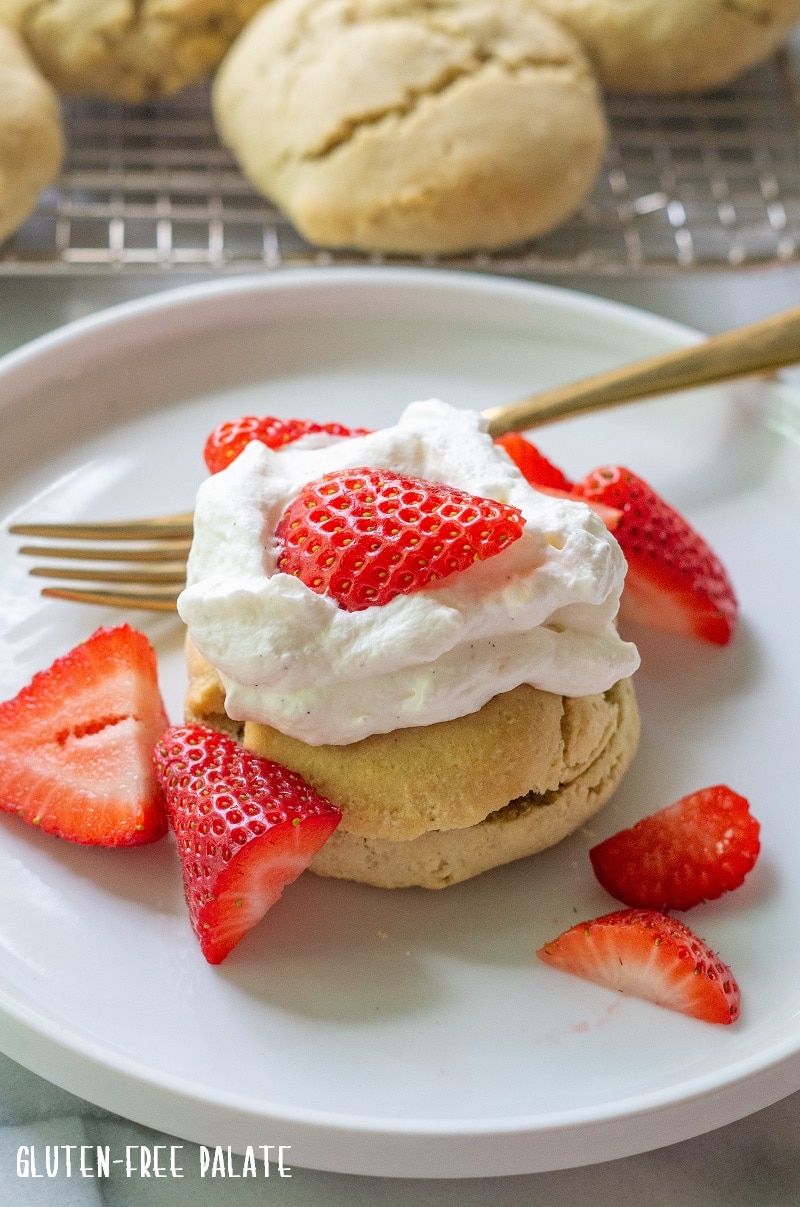
Paleo Strawberry Shortcake
These tender almond flour paleo strawberry shortcakes are topped with juicy strawberries and lightly sweetened whipped cream. Such an elegant dessert for summer.

Paleo Cornbread
This flavorful almond flour paleo cornbread is made without corn. It has almond flour, turmeric, and honey that create the authentic flavor, all gluten‑free and paleo-conscious.
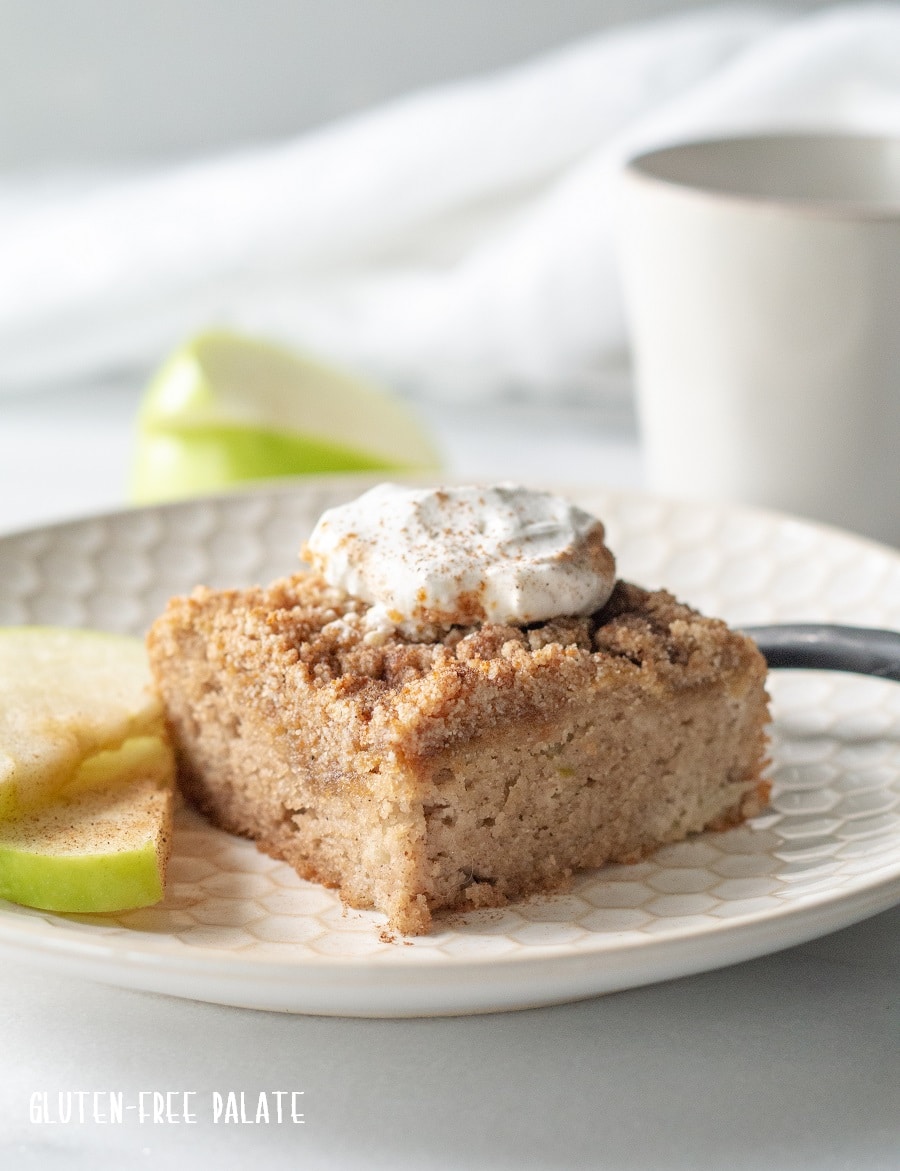
Paleo Apple Cake
This moist almond flour paleo apple cake is studded with apples and spiced perfectly. Serve it with tea or as a wholesome dessert.
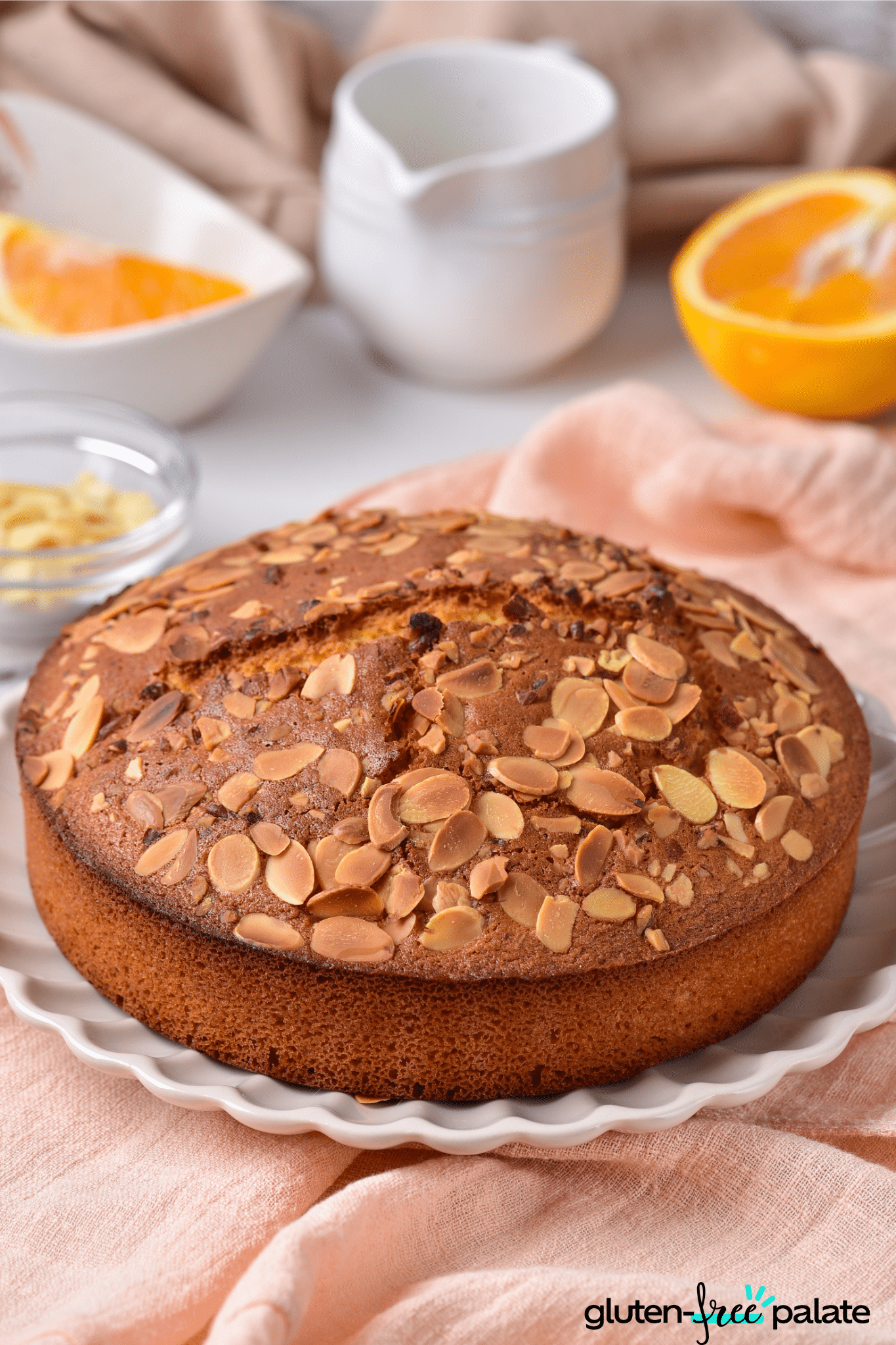
Gluten-Free Almond Cake
Brightened with orange zest and almond flakes, this airy gluten-free almond cake is tender, crispy on top, and ideal for special occasions.
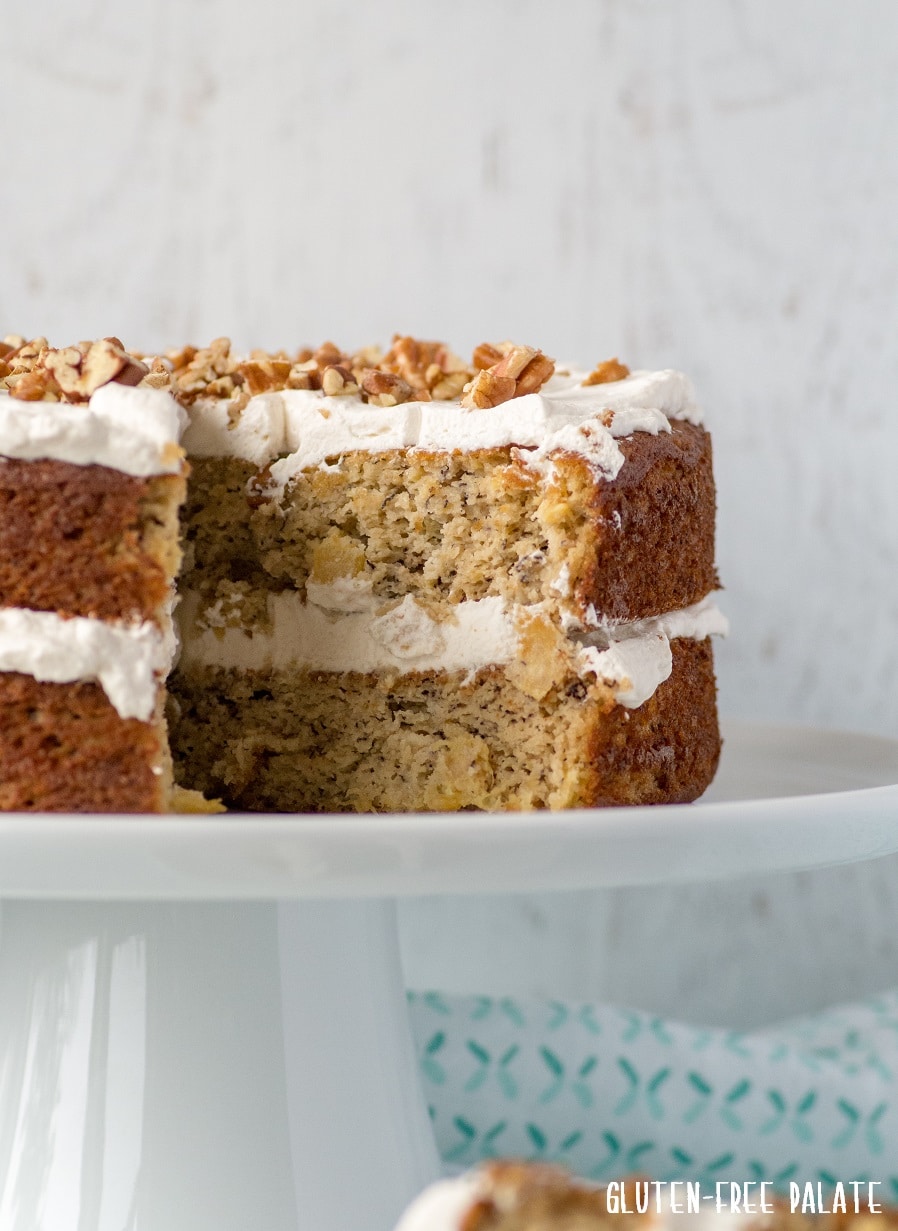
Gluten-Free Hummingbird Cake
Banana, pineapple, and warm spices combine in this moist almond‑flour gluten-free hummingbird cake. The perfect classic cake recipe in a gluten‑free version.

Paleo Pancake Recipe
Whisk up your almond flour paleo pancake recipe mix with vanilla and essential spices. The almond flour pancakes are fluffy, protein‑rich pancakes and are ready whenever you are. It's the perfect save for later mix.

Paleo Almond Flour Cookie Dough Bars
These no-bake almond flour cookie dough bars are everything you love about cookie dough. They're soft, dense, and irresistibly rich. Made with almond flour and studded with vegan chocolate chips, they’re topped with a silky-smooth layer of paleo chocolate.
Naturally gluten-free, dairy-free, and refined sugar-free, they’re a wholesome treat that tastes great.

Almond Flour Vanilla Cake
This almond flour vanilla cake is soft, moist, and bursting with rich vanilla flavor. Naturally gluten-free, it’s easy to make refined sugar-free and dairy-free too. This is grain-free baking at its best.
Topped with a simple vanilla frosting, it’s the perfect healthier option for birthdays, celebrations, or anytime you’re craving cake without the guilt.
FAQs
We have a few almond flour questions answered for you. Scroll down and take a look.
Is Almond Flour Healthier Than Regular Flour?
Yes, almond flour has health-promoting properties like regulating body weight and blood glucose levels. So, it's considered healthier than regular flour.
Is Almond Flour Just Ground Almonds?
Yes, blanched almonds are ground down to form almond flour; however, some manufacturers may add fillers or additional items into their flour. So check the labels. In the USA, almonds have accounted for nearly 70 percent of tree nut export volume in recent years.
Why Does Almond Flour Say Not To Eat Raw?
It can be due to several things, but the most common concern is that the almonds used to make the flour are not roasted or heat-treated, which may increase the risk of bacterial contamination.
How Long Does Almond Flour Last After Opening?
Almond flour can last up to 1-3 months in your pantry cupboard. In the refrigerator, it stores for up to 6 months and in the freezer for up to 12 months.
Baking with Almond Flour Begins Here
So you have a great selection of almond flour recipes to satisfy those cravings. The biggest decision you need to make now is which recipe you are going to choose, get the ingredients ready, and enjoy.
DID YOU MAKE THIS RECIPE?
Tag @glutenfreepalate on Instagram and hashtag it #glutenfreepalatebaker so we can see all the deliciousness!




Leave a Question or Comment