


I am sure you have come across cornstarch in various recipes, but have you ever wondered exactly what is cornstarch? Is it gluten-free? Is it healthy? And are there substitutes for it?
So, let’s understand this ingredient and if we should indeed be using it in our cooking and baking.
What Is Cornstarch?
Cornstarch is a fine white powder made from the endosperm of corn kernels. You have probably come across it in many recipes where you either needed to add it in your cooking or baking. It’s primarily used as a thickening agent for gravy, pie fillings, soups, and sauces.
It’s popular to use as it is transparent, flavorless, and has two times the thickening power of other alternatives. It’s become a pantry staple in our house.
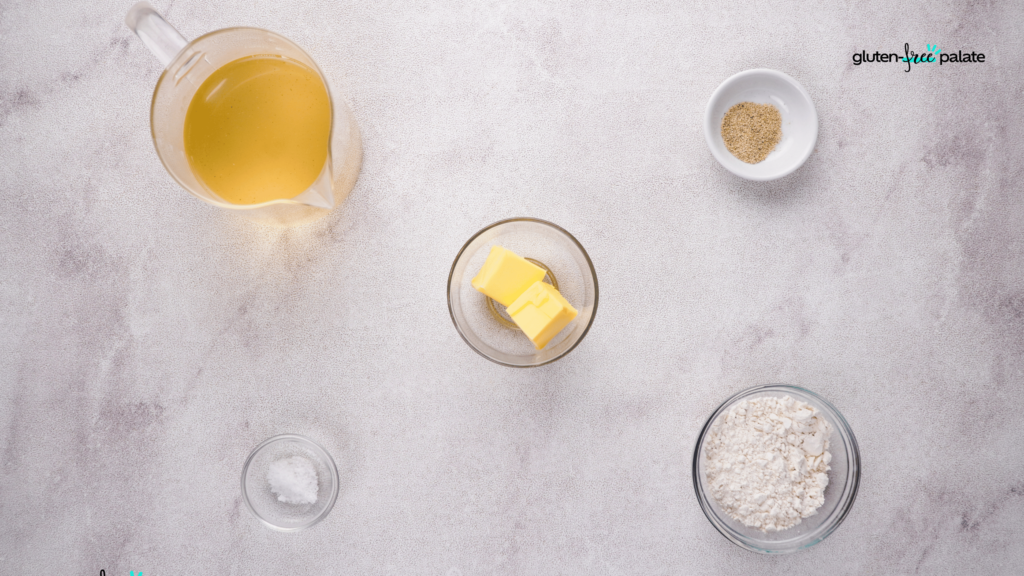
And yes, it does have a habit of dispersing itself all over the kitchen counter and floor due to its super fine consistency. Ask me, I have done it multiple times, in fact, yesterday it happened again when opening a new packet.
Now let’s move over to the burning question—
Is cornstarch gluten-free?
Yes, but as with all gluten-free products we need to run through a few checks as there are a few things you need to look out for. It’s derived from corn, which, as you know, does not contain wheat. But you will need to check that you purchase cornstarch that's produced in a gluten-free facility as you would want to avoid cross-contamination.

Cross-contamination occurs when a producer manufactures both gluten-containing and gluten-free products in the same facility. If staff do not follow safety practices, they can contaminate foods that are not gluten-free just by touching them. So, a safe practice is to purchase a certified gluten-free cornstarch.
Looking for a recipe that thrives with cornstarch? Check out my gluten-free fried chicken!
Cornstarch Uses
Cornstarch can be used in a whole host of things even nonkitchen related. But here’s a summary of the most common uses in the kitchen:
- Thickening Agent for thickening soups like in this gluten-free onion soup mix, sauces, gravies, and puddings.
- Baking Aid for creating lighter baked goods.
- Crisping Agent for making a crispier batter coating. Try it in these yummy gluten-free onion rings.
- Anti-caking agent that stops the clumping of powdered sugar and grated cheese.
- Egg Substitute in some vegan recipes.

Is Cornstarch Healthy? What Are The Health Benefits Of Cornstarch?
Cornstarch is high in carbohydrates and contains little to no protein, fiber, or vitamins. It does provide you with energy due to the high amount of carbohydrates, it digests easily and is a good gluten-free alternative for thickening.
So, I'll leave it up to you and your doctor to decide if it's the right choice for you.
What are the health risks of cornstarch?
You need to consume it sparingly as it can contribute to blood sugar spikes due to its high glycemic index. It also is low in essential nutrients and can potentially contribute to weight gain and metabolic issues.
But it is not all doom and gloom according to A Thesis at Arizona State it was found that cornstarch had no significant impact on cholesterol levels, indicating that it does not contribute to increased cholesterol risks.
I would say it’s best to consult your doctor based on your individual needs and preexisting conditions to verify if you should consume it.
How To Add Cornstarch To A Recipe
If you are new to cornstarch here is the method to add this to a sauce to make it thicken.
- Make a Slurry. A slurry is when you mix cornstarch with a cold liquid. The cold liquid can be water, broth, or milk. Once mixed and smooth you can then add it to a hot dish. Use a 1:1 ratio. This means for every 1 tablespoon of cornstarch, you then need to add 1 tablespoon of liquid. So look at the recipe to direct you to the amount needed.
- Add it to the dish. Slowly pour the slurry into the hot liquid. Stir as you pour it in to avoid lumps.
- Heat until it thickens. The liquid will need to simmer for 1-2 minutes and then you will see it thicken. Keep on stirring.
As with any ingredient here are a few things you need to be aware of:
- Avoid overcooking it. If you cook the liquid for a long period after adding the cornstarch it can have the opposite effect. It will start to break down causing the sauce to thin.
- Use the correct amount. It is a 1:1 ratio to follow and the recipe should advise you on how much to use. But if it does not thicken then adjust and add more cornstarch a teaspoon at a time or follow the on pack directions.
- Don’t freeze it. You can’t freeze sauces that have been made with cornstarch. Well, you can but trust me on this one. The sauce becomes watery and thin, so it is not worth it. And as you can gather, I am speaking from experience.
- Don’t use it for canning. If you are a home food preserver it is best to add cornstarch when you are using the canned item. Penn State Extension has an in-depth article on why you should avoid canning with corn flour.
Cornstarch vs Corn Flour, What Is The Difference
Cornstarch and corn flour both come from corn, but are not the same. Cornstarch is taken from the starchy part of the corn kernel and is used as a thickener.
Corn flour is made from whole corn kernels that are ground into a fine powder. It is therefore a more nutritious option for baking and cooking.
An interesting fact is that in the U.S., we call it cornstarch, but in the U.K., what they refer to as “corn flour” is actually the same as our cornstarch. So, be careful when following international recipes to ensure you're using the correct ingredients.
Popular Safe Brands of Gluten-Free Cornstarch
It is important to use gluten-free cornstarch options that are certified gluten-free products.
What does certified gluten-free actually mean? It means that a product has been tested and verified to contain less than 20 parts per million (ppm) of gluten the threshold set by the FDA for gluten-free labeling.
This certification process is done by independent third-party organizations such as the Gluten-Free Certification Organization (GFCO), which ensures the product meets strict manufacturing and testing standards to prevent cross-contamination.
For those looking for safe gluten-free cornstarch options, the following brands are known for their certified gluten-free products:
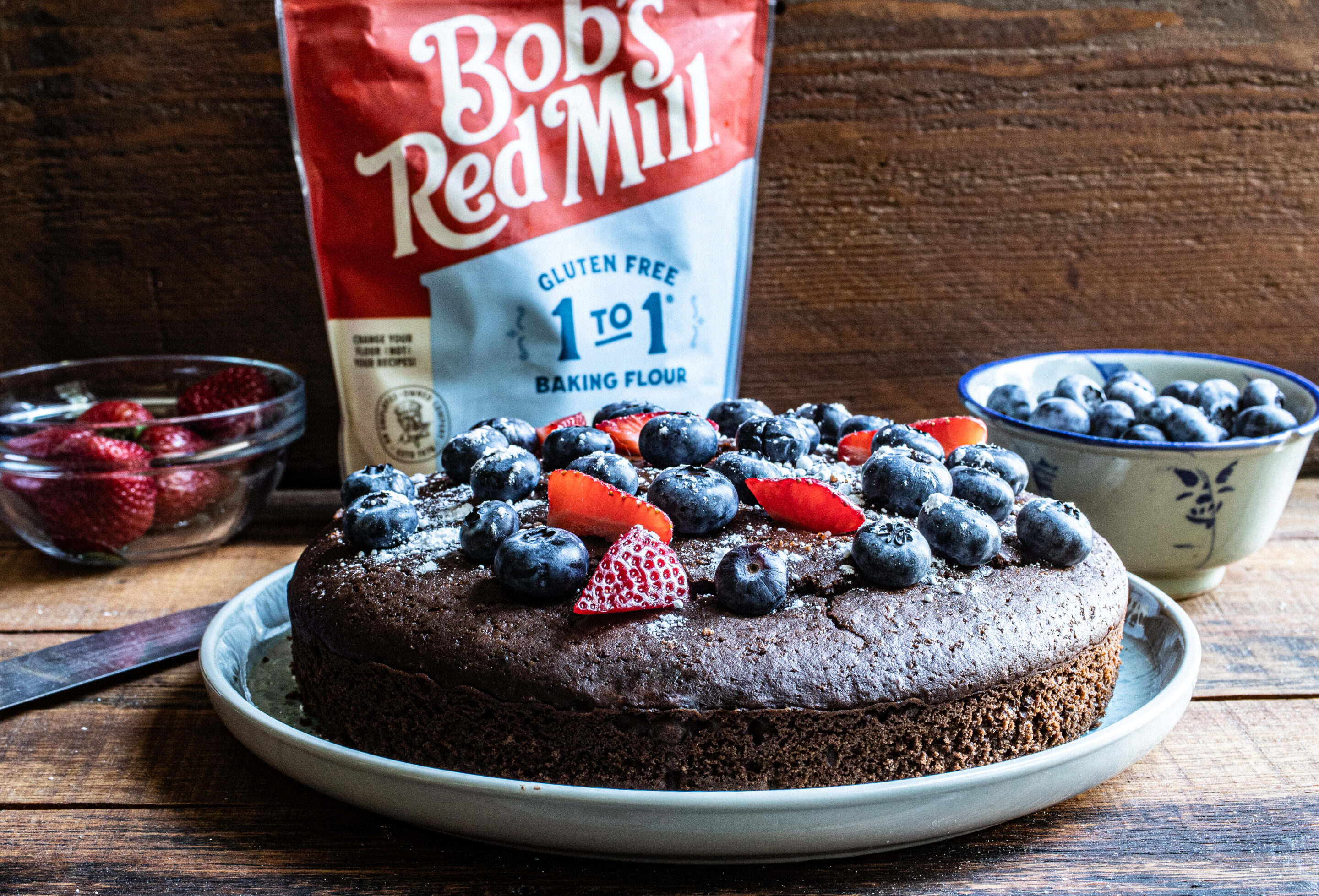
- Bob's Red Mill is certified gluten-free and tested for cross-contamination.
- Argo is labeled gluten-free and is usually available at most local stores.
- Clabber Girl has a gluten-free cornstarch suitable for cooking and baking.
- Rumford is a non-GMO and gluten-free option, commonly used in baking.
- Anthony’s Goods is organic, gluten-free, and non-GMO.
Luckily for us, we have a wide selection and choice which is always helpful when being on this journey.
Storage And Shelf Life
It is good to store your cornstarch in an airtight container in a cool, dry place in your pantry cupboard.
An interesting fact is that it can be stored indefinitely, but if you are anything like me, I like to make sure my pantry staples keep getting used so follow the 1-2 years, but it rarely lasts that long, especially during winter.
What Can You Substitute Cornstarch For?
I know the feeling of reaching into your pantry cupboard and reaching for an empty packet of cornstarch. Having an experimental preteen in the house some of my pantry items are used in interesting ways thanks to social media.
So here are a few alternatives, if you need to plan for the unexpected:
- Arrowroot Powder is a great alternative as a gluten-free thickener due to it having a similar texture and effect.
- Tapioca Starch works well if you need a smooth and glossy finish. So, it’s best used in puddings and sauces.
- Potato Starch is great if you need to thicken soups and stews.
- Rice Flour is gluten-free and can be used as a thickening agent too.
- Gluten-free all-purpose Flour is one I often use and the ratio is 2:1. So, you would use twice the amount of flour to thicken it.
And here's a guide to gluten-free flour.

A Versatile Kitchen Staple
So now you know exactly what is cornstarch and you can decide if it has a place in your kitchen. You just need to determine if the amount you use is not in excess and causing harm or look at some of the other alternatives suggested.
In closing, please try and keep it away from your preteen as this experimental phase is real! And having fine cornstarch dust” all over your home is not ideal.
DID YOU MAKE THIS RECIPE?
Tag @glutenfreepalate on Instagram and hashtag it #glutenfreepalatebaker so we can see all the deliciousness!

Leave a Question or Comment