


Gluten-free diners often say that eating out can feel like a gamble. Even when menus feature gluten-free options, mistakes in preparation and communication can leave customers sick for days.
Health advocates argue that while awareness of gluten-free eating has grown, many restaurants still fall short when it comes to training staff and creating safe practices in the kitchen.
One of the most common mistakes is cross-contact, when gluten-free food touches surfaces or utensils that have been used with wheat. Something as small as slicing a gluten-free pizza on the same board as a wheat crust can cause a reaction.

A salad made with gluten-free ingredients can be unsafe if it is tossed with croutons and then picked out before serving. Cowboy butter chicken might even be made without gluten-free Worchestershire sauce. Servers may not realize that even crumbs can be enough to trigger symptoms.
Another problem comes from vague menu labeling. Some restaurants mark dishes as “gluten friendly” or “low gluten” without making clear what that means. For people with celiac disease or non-celiac gluten sensitivity, those terms are not helpful. Customers are left to ask a string of questions just to figure out if they can eat safely. This doesn't happen everywhere. We found plenty of gluten-free restaurants in Las Vegas where you won't have to worry about the basics.
But communication breakdowns between servers and kitchen staff can happen anywhere. Diners report that they often explain their needs carefully to a server, only to find that the message never makes it back to the cook. In busy kitchens, special instructions can get lost or ignored. The result is food that looks right but isn’t truly safe.
A lack of staff training is at the root of many of these issues. While some restaurants invest in educating employees on food allergies and gluten-free safety, others treat it as an afterthought. New hires may not understand what gluten is or how it hides in sauces, marinades, or fried foods. Without clear guidance, they make well-meaning mistakes that can seriously affect a customer’s health.
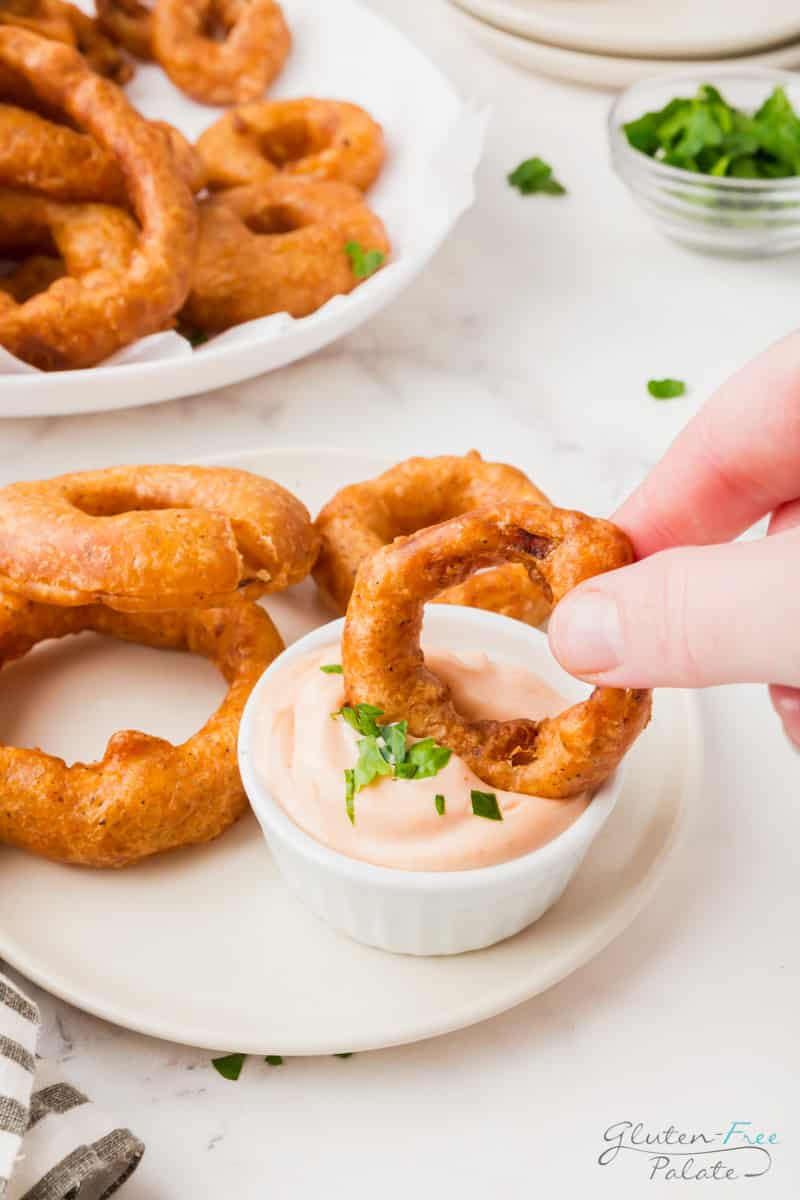
One reader described the frustration this way: “I can’t count how many times I’ve asked if fries are safe, and the server says yes, only to find out they’re cooked in the same oil as onion rings. It’s exhausting to have to cross-examine someone every time I want a meal.”
Even when restaurants do offer safe food, portioning it out in ways that make gluten-free diners feel singled out can be uncomfortable. Some customers say they are served on paper plates when everyone else gets china, or receive a “special” roll delivered in plastic wrap while the rest of the table eats from a bread basket. While safety matters most, experiences like these can make diners feel more like a problem to be managed than a guest to be welcomed.
Advocates stress that the solutions are not complicated. Clear labeling, staff education, and strict procedures for avoiding cross-contact can go a long way. Taking a gluten-free request seriously and double-checking with the kitchen can prevent mistakes before they happen. Restaurants that make the effort often find loyal customers who return again and again because they feel safe and respected.
Gluten-free dining is not about trends or preferences. For millions of people, it is a medical necessity. The biggest mistakes restaurants make are not about the food itself but about failing to listen, learn, and prepare with care.
For recipes, visit Gluten-Free Palate.
DID YOU MAKE THIS RECIPE?
Tag @glutenfreepalate on Instagram and hashtag it #glutenfreepalatebaker so we can see all the deliciousness!


Leave a Question or Comment