


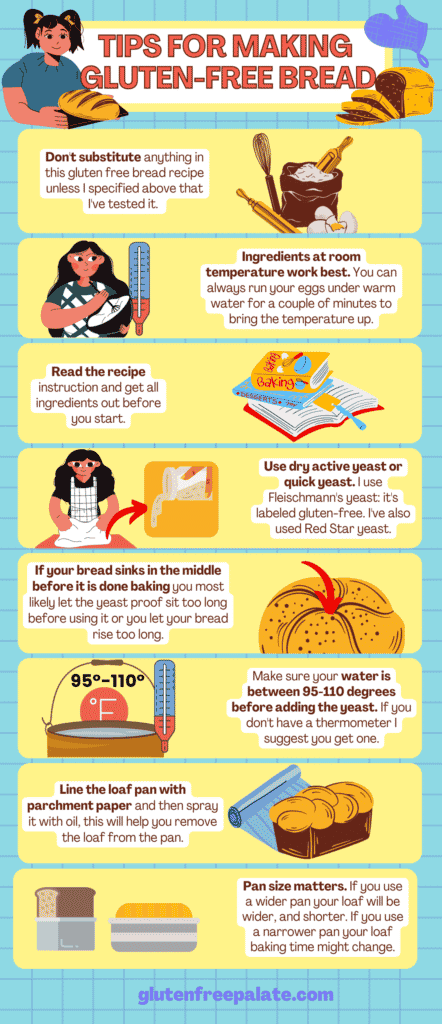
For bakers accustomed to conventional recipes, the advice to "let ingredients come to room temperature" may already feel familiar. However, the principle becomes even more essential when working with gluten-free flour. The absence of gluten, the protein that gives traditional baked goods their structure, means gluten-free recipes rely heavily on a delicate balance of starches, gums, and other binding agents. Room-temperature ingredients help this balance achieve its full potential.
This is highlighted as part of an infographic from the recipe for gluten-free bread.
A Matter of Chemistry
At room temperature, ingredients like eggs, milk, and butter mix more thoroughly, ensuring a uniform batter or dough. When these ingredients are cold, they fail to emulsify properly, leading to uneven textures and unpredictable outcomes. For example, cold butter can clump instead of incorporating smoothly, while chilled eggs may hinder the leavening process critical for achieving a light and airy crumb.
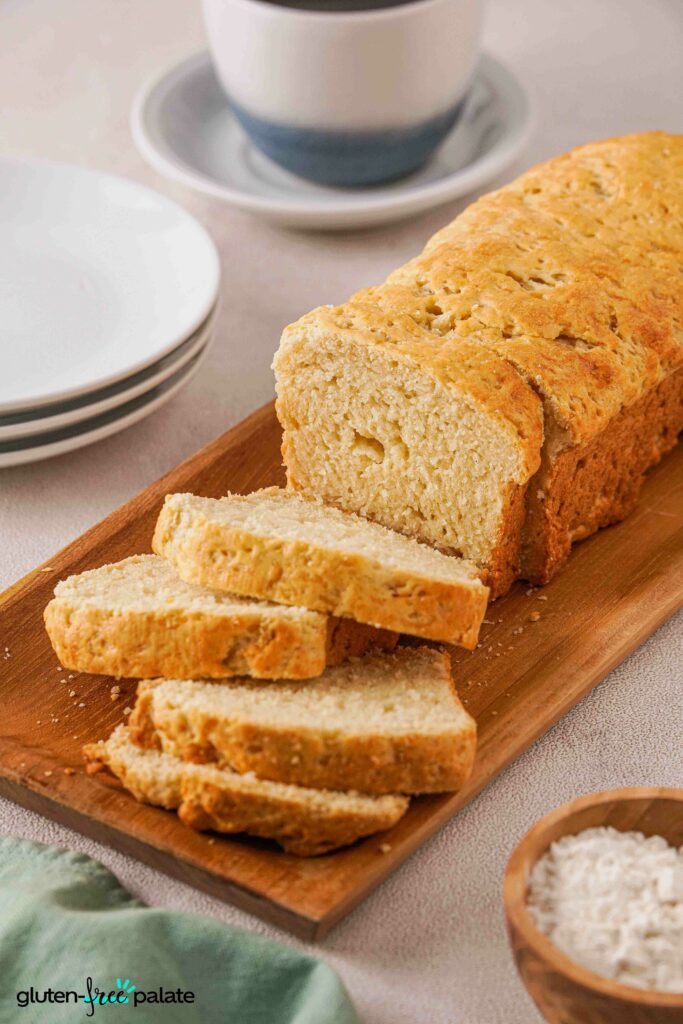
And butter can be left out at room temperature for longer than you might think. This article from Michigan State University says it should be fine for 1 or 2 days on the counter.
In gluten-free baking, where precision is paramount, it's vital to mix properly. Gluten-free flours and starches are notoriously finicky and can quickly lead to dense or gritty results if not paired with properly prepared wet ingredients. Room-temperature components provide the necessary cohesion to create batters and doughs that bake evenly.
Improved Rise and Texture
Leavening agents like baking powder, baking soda, and yeast rely on room-temperature ingredients to activate efficiently. Cold liquids can delay the chemical reactions needed to produce gas, which gives baked goods their rise. Gluten-free bakers striving to replicate the fluffiness of traditional breads and cakes need to consider this more than someone working with standard ingredients.
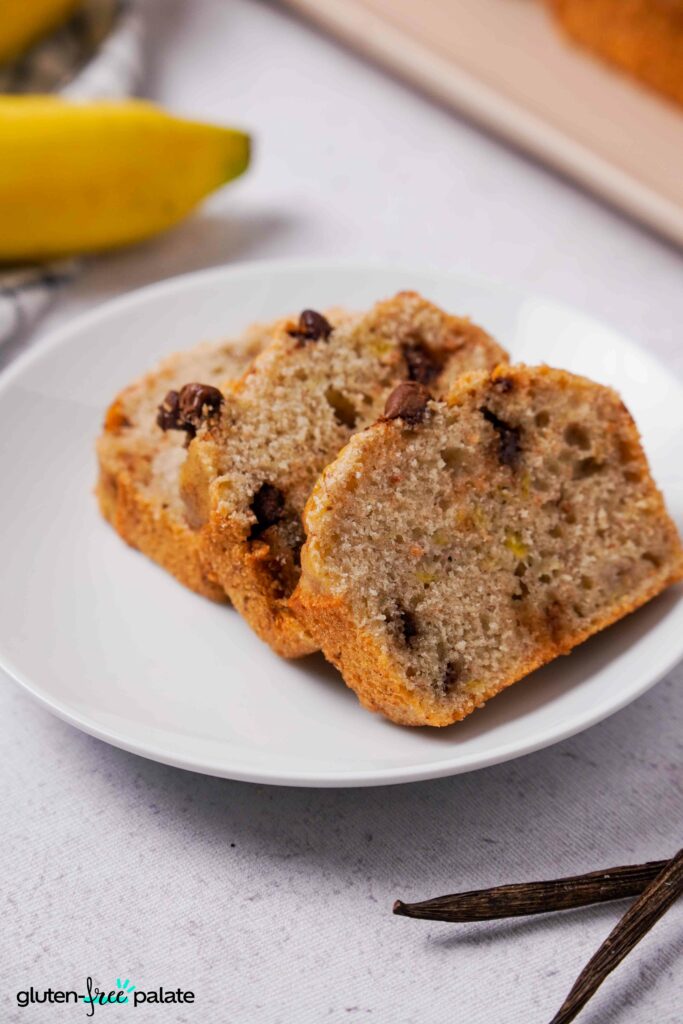
Similarly, room-temperature ingredients contribute to smoother textures. Cold eggs or butter can create lumpy batters, resulting in baked goods with an uneven crumb. By taking a few extra minutes to warm ingredients to room temperature, bakers can enhance the structural integrity and mouthfeel of their gluten-free creations. This is true when preparing recipes for cookies, pies, or (a personal favorite) gluten-free banana bread.
Practical Tips for Success
We recommend planning ahead to allow cold ingredients to acclimate to room temperature. Butter, for example, can be left on the counter for up to two days, while eggs can be warmed quickly by submerging them in a bowl of lukewarm water for five minutes. If you're pressed for time, slicing butter into smaller pieces will help it soften faster.

For gluten-free bakers, these small efforts pay significant dividends. Whether you're crafting a delicate sponge cake or hearty bread, room-temperature ingredients can be the difference between a recipe that dazzles and one that disappoints.
By embracing this fundamental practice, bakers can unlock the full potential of gluten-free recipes, achieving results that rival—even surpass—their wheat-based counterparts.
For more recipes, visit GlutenFreePalate.com.
Related Recipes:
- How to Make Gluten-Free Chocolate Chip Cookies
- Gluten-Free Sourdough Bread Recipe
- Gluten-Free Rye Bread Recipe
Related Videos are available on our YouTube channel.
DID YOU MAKE THIS RECIPE?
Tag @glutenfreepalate on Instagram and hashtag it #glutenfreepalatebaker so we can see all the deliciousness!




Leave a Question or Comment