


You made the switch to gluten-free. You read every label, found your safe brands, and rebuilt your kitchen from scratch. So why do you still feel sluggish, bloated, or off? For a lot of people with celiac, fiber is the missing piece, and one of the least talked-about nutritional gaps in the gluten-free diet.
The gluten-free diet is genuinely low in fiber by design, and most people with celiac never get told that. Most of the packaged products that make gluten-free eating easier, the bread, the pasta, the crackers, the cereal, are made with refined starches that contain almost no fiber at all. When you remove wheat, rye, and barley, you also lose some of the most fiber-rich foods in a typical diet, and most gluten-free substitutes do not come close to replacing what was lost.
The good news: fixing this isn't hard. Here's exactly why the gap exists, how much fiber you actually need, and the best naturally gluten-free high-fiber foods, certified-safe products, and supplements to add to your routine.
Why the Gluten-Free Diet Is Low in Fiber
Wheat, rye, and barley are genuinely excellent sources of dietary fiber. When celiac disease removes them from your diet, that fiber has to come from somewhere else. Most processed gluten-free products do not fill that gap.
The FDA does not require gluten-free products to be fortified with vitamins or fiber the way conventional wheat-based products are. So when manufacturers swap wheat flour for potato starch, tapioca starch, or white rice flour, the result is a product that is safe for celiacs but stripped of nutritional value. A slice of gluten-free bread often delivers less than 1 gram of fiber. A serving of conventional whole wheat bread might deliver 3 to 4 grams. That difference adds up fast across a full day of eating.
Research consistently shows that people following a gluten-free diet tend to fall short of fiber targets. The consequences are real: poor digestion, constipation, blood sugar swings, and over time, increased risk of heart disease and other chronic conditions that adequate fiber helps prevent. For people managing celiac who are already dealing with gut inflammation and healing, getting enough fiber matters even more.
Plenty of naturally gluten-free foods are packed with fiber. You just need to know where to look.
How Much Fiber Do You Actually Need on a Gluten-Free Diet?
Most adults need between 25 and 38 grams of fiber per day, and that target holds for people with celiac too. The lower end of that range applies to women; the higher end applies to men. According to the Dietary Guidelines for Americans, most Americans, gluten-free or not, fall well short of this target, averaging around 10 to 15 grams per day.
To put that in practical terms, here is what hitting 25 grams might look like on a typical gluten-free day:
- Breakfast: Half a cup of certified gluten-free oats with raspberries (roughly 10 grams)
- Lunch: A large salad with chickpeas, avocado, and broccoli (roughly 9 grams)
- Dinner: Quinoa with roasted sweet potato and black beans (roughly 10 grams)
That is a very achievable day of eating, and none of those meals require specialty products. The key is building meals around fiber-dense whole foods rather than relying on packaged gluten-free products to do the work.
One important note: if your gut is still healing after a celiac diagnosis, introduce fiber increases gradually. Adding too much too fast can cause bloating and discomfort, especially while your small intestine is still recovering. More on that in the practical tips section below.
Soluble vs. Insoluble Fiber: What the Difference Means for Celiac Disease
Not all fiber works the same way in the body, and understanding the difference matters when you are managing a digestive condition.
Soluble fiber dissolves in water and forms a gel-like substance in the digestive tract. It slows digestion, helps regulate blood sugar, and feeds beneficial gut bacteria. Foods high in soluble fiber include oats, beans, lentils, and chia seeds. For people with celiac disease dealing with loose stools or diarrhea during gut healing, soluble fiber is especially helpful because it adds bulk without irritating the intestinal lining.
Insoluble fiber does not dissolve. It adds bulk to stool and helps food move through the digestive tract. It is the type most associated with preventing constipation. Foods high in insoluble fiber include whole grains like teff and quinoa, vegetables, nuts, and seeds. Note that avocado also contains a high percent of insoluble fiber.
Most high-fiber whole foods contain both types in varying ratios. A diet built around the naturally gluten-free foods in this guide will deliver a healthy mix of both without needing to track them separately.
The Best Naturally Gluten-Free High-Fiber Foods
The most reliable way to hit your fiber targets on a gluten-free diet is to build meals around whole foods that are naturally rich in fiber. No specialty products required. Here are the categories worth prioritizing.
Gluten-Free Whole Grains and Pseudo-Grains
Most people following a gluten-free diet lean heavily on white rice, corn, and potatoes for their starchy base. Those foods are safe and useful, but they deliver very little fiber. Rotating in gluten-free whole grains and pseudo-grains makes a significant difference.
| Grain or Pseudo-Grain | Fiber per Cup (Cooked) |
|---|---|
| Teff | 7g |
| Amaranth | 5g |
| Quinoa | 5g |
| Buckwheat | 4.5g |
| Certified GF Oats | 4g |
| Millet | 2.3g |
| White Rice | 0.6g |
Teff, amaranth, quinoa, and buckwheat are technically seeds rather than grains, which is why some people call them pseudo-grains. All are naturally gluten-free and deliver fiber along with a strong lineup of protein, iron, and minerals that many people with celiac run low on.
A word on oats: certified gluten-free oats are a great fiber source, but some people with celiac react to avenin, a protein naturally present in oats. According to the Celiac Disease Foundation, a small percentage of people don't tolerate oats even when certified gluten-free. If you have not introduced oats since your diagnosis, check with your doctor or dietitian before adding them regularly.
Legumes
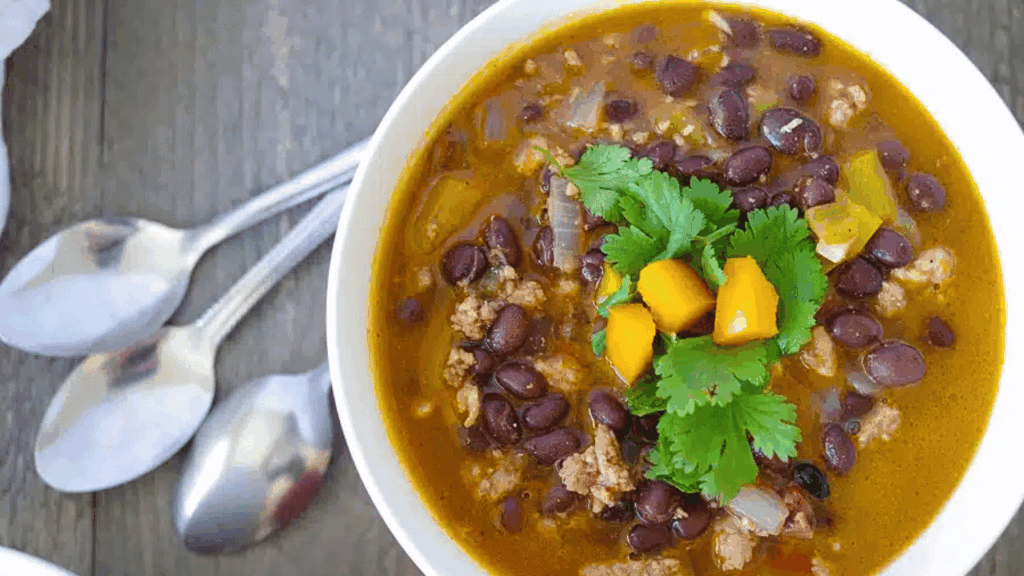
Beans, lentils, and chickpeas are among the most fiber-dense foods you can eat, gluten-free or otherwise. A cup of cooked chickpeas delivers around 13 grams of fiber. Black beans come in around 15 grams per cup. Lentils offer about 16 grams.
Chickpeas are the go-to in our house right now. They are endlessly versatile, chickpea salads come together fast with arugula and red onions, and roasted chickpeas make a genuinely satisfying snack. They are one of the easiest ways to get a meaningful fiber hit without any fuss.
A note on cross-contamination: Lentils and some dried beans are at risk of cross-contamination with gluten-containing grains during farming and processing. Look for lentils and legumes labeled certified gluten-free when possible, and always rinse canned and dried legumes thoroughly before cooking.
Fruits and Vegetables
Fruits and vegetables are naturally gluten-free and deliver fiber alongside vitamins, minerals, and antioxidants. Some are significantly higher in fiber than others. These are the ones worth reaching for first:
- Raspberries: 8g per cup
- Blackberries: 7.6g per cup
- Avocado: around 10g per medium avocado
- Sweet potato with skin: 3.8g per medium potato
- Cooked broccoli: 5g per cup
- Cooked Brussels sprouts: 4g per cup
- Green peas: about 9g per cup
Avocado deserves special mention. One medium avocado delivers about 10 grams of fiber, some of it soluble, and it pairs well with almost everything. It works beautifully in bowls, on gluten-free toast, and in salads that already anchor a high-fiber gluten-free day.
Nuts and Seeds
Nuts and seeds are easy to add to meals without much effort and deliver a steady fiber boost alongside healthy fats. Chia seeds stand out with about 10 grams of fiber per ounce, most of it soluble. Flax seeds deliver around 8 grams per ounce, but need to be ground to get the full nutritional benefit. Whole flax seeds pass through the digestive system largely undigested. Ground flax can be stirred into oatmeal, mixed into smoothies, or added to gluten-free baked goods without affecting flavor.
A quarter cup of almonds, sunflower seeds, or pumpkin seeds delivers around 3 to 4 grams of fiber and makes a genuinely satisfying snack.
Certified Gluten-Free Products Worth Buying for Fiber
Whole foods should form the foundation of your fiber intake, but good certified products can fill gaps and make daily eating a lot easier. Here are categories and picks worth knowing about.
High-Fiber GF Pasta
Banza chickpea pasta is one of the most widely available high-fiber gluten-free pasta options and consistently tests below the FDA gluten threshold. A two-ounce serving delivers about 5 grams of fiber compared to under 2 grams in most conventional gluten-free pasta made from white rice or corn. Tolerant brand lentil pasta is another strong option at around 4 grams per serving, and both are now available at most major grocery stores.
High-Fiber GF Crackers
Flackers Flax Seed crackers are certified gluten-free and deliver a meaningful fiber hit from flax. Mary's Gone Crackers are another reliable pick, made from whole grain brown rice and quinoa, and certified gluten-free. Both work well as snack vehicles and hold up with dips, cheese, or nut butter.
High-Fiber GF Cereals
Gluten-free cereal is highly variable in fiber content, so reading the nutrition label matters. Look for options delivering at least 3 grams of fiber per serving. Nature's Path Mesa Sunrise and Enjoy Life Foods Perky's Crunch Flax are two certified options that meet that bar. Many popular gluten-free cereals that appear healthy deliver 1 gram or less per serving despite marketing language that implies otherwise.
Fiber-Added Packaged Breads
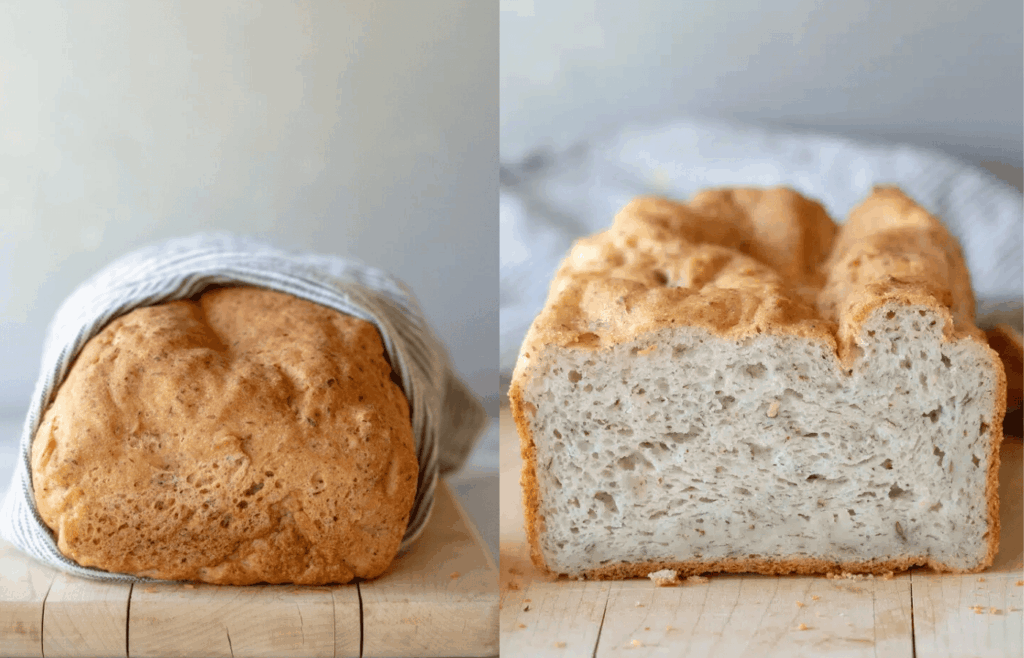
Gluten-free bread is where fiber content tends to be worst. Most store-bought loaves deliver under 1 gram per slice. Canyon Bakehouse and Little Northern Bakehouse both offer varieties with 2 to 3 grams per slice and carry certified gluten-free status. Always verify the specific variety, as fiber content varies within the same brand across different products. Or do what we do, and make your own gluten-free bread. It tastes better, and it's cheaper.
New For Many in 2026: Cassava and Chicory-Based Products
Cassava-based products have grown significantly in the past year and offer a genuinely useful fiber source. Jovial cassava pasta is certified gluten-free through GFCO and works well as a base for pasta dishes. Chicory root inulin is now showing up in prebiotic sodas like Olipop, protein bars, and fiber supplements. Chicory-based inulin acts as a prebiotic fiber, feeding beneficial gut bacteria, which matters particularly for people with celiac disease whose gut microbiome has often been disrupted.
As with any new product, verify the certification seal rather than relying on the "gluten-free" label alone. Certified gluten-free from GFCO or NSF means third-party testing. A label that simply says "gluten-free" does not.
Fiber Supplements: What's Safe for Celiac and What to Avoid
Whole foods are always the better long-term foundation, but fiber supplements can play a useful role when your diet needs a short-term boost or when travel and busy days make whole food fiber harder to hit. The catch: many popular fiber supplements aren't safe for celiac disease, and the labeling is not always clear about why.
Safe Options
Psyllium husk is the most widely available fiber supplement and one of the most effective. Made from the seeds of the Plantago ovata plant, psyllium is naturally gluten-free and delivers both soluble and insoluble fiber. Most Metamucil powders and capsules are made from psyllium husk and carry a gluten-free label.
Important warning: Metamucil Meta Fiber Wafers contain wheat flour and aren't safe for people with celiac disease. The wafers are sold in the same product family and use nearly identical packaging. Read the label carefully on every Metamucil product before buying.
NOW Foods Psyllium labels all versions as free of wheat and gluten and comes in flavored and unflavored powder as well as capsules. Yerba Prima Daily Fiber Formula is another verified safe psyllium option that is non-GMO and vegan-friendly.
Inulin powder derived from chicory root is a second strong option. Inulin acts as a prebiotic fiber, meaning it feeds beneficial bacteria in the gut rather than simply adding bulk. For people with celiac disease whose gut microbiome has taken a hit, this is a meaningful added benefit. Inulin dissolves completely in liquids with no flavor change, making it easy to stir into coffee, smoothies, or water.
Other Supplement Ingredients to Know
Guar gum and acacia fiber are both naturally gluten-free and appear in some fiber supplement blends. Both are generally considered safe for celiac disease, though acacia fiber is particularly well-tolerated for people with sensitive guts due to its gentle, slow-fermentation profile. Methylcellulose, sold under the brand name Citrucel, is another gluten-free option derived from plant cellulose rather than plant seeds.
What to Avoid
Wheat dextrin, a fiber derived from wheat, shows up in some popular fiber supplements. Some manufacturers claim the gluten has been processed out, but people with celiac disease should avoid these products entirely. When in doubt, look for a third-party certification seal rather than relying on a "gluten-free" claim on the label alone.
Cross-contamination is a real risk in supplement manufacturing. Facilities that process multiple products on shared equipment can introduce gluten even into supplements made from naturally gluten-free ingredients. Choose brands that test finished products for gluten content and publish those results, not just brands that formulate without gluten-containing ingredients.

Practical Tips for Adding More Fiber Without Digestive Distress
Increasing fiber intake too quickly causes bloating, gas, and cramping in most people, and the effect is often more pronounced for people with celiac whose digestive systems are already managing inflammation and healing. A gradual approach gets you to your target without the discomfort. Here is how to do it:
- Add one new fiber source at a time. Give your gut a week or two to adjust before adding another. Overhauling your diet all at once is the most common reason people give up.
- Space your fiber intake across the day. A fiber-heavy breakfast followed by a low-fiber rest of the day creates more digestive stress than spreading it evenly across three meals.
- Drink more water as you increase fiber. Fiber absorbs water as it moves through the digestive system, and without enough hydration, increasing fiber can make constipation worse rather than better. Aim for six to eight cups of water per day as a baseline.
- Start with canned legumes if dried beans cause bloating. Canned chickpeas and lentils are partially broken down during the canning process and tend to be easier to digest than dried and home-cooked versions for people with sensitive guts.
- Make one simple grain swap first. Replacing white rice with quinoa or teff once a day is one of the lowest-effort, highest-impact changes you can make. Start there and build from it.
Be patient with yourself. Building a genuinely fiber-rich gluten-free diet takes time, and the goal is progress over weeks, not a perfect day tomorrow. Even small increases, an extra handful of raspberries at breakfast or a quarter cup of quinoa swapped in for white rice at dinner, add up meaningfully over time.
The fiber gap in the gluten-free diet is real, but it is fixable. Start with the whole foods in this guide, add certified products where they help, and give your gut the time it needs to adjust. Your digestion, energy, and long-term health will reflect the effort.
Most packaged gluten-free products replace wheat flour with refined starches like potato starch, tapioca starch, and white rice flour, which contain very little fiber. The FDA does not require gluten-free products to be fortified with fiber or nutrients the way conventional wheat products are, so the nutritional gap is built into most processed gluten-free foods.
Certified gluten-free oats are safe for most people with celiac disease, but not everyone. A small percentage of people with celiac react to avenin, a protein naturally present in oats. If you have not introduced oats since your celiac diagnosis, talk to your doctor or dietitian before adding them to your regular diet.
Psyllium husk is the most widely available and well-researched option. Look for products with a certified gluten-free seal rather than just a label claim. NOW Foods Psyllium and Yerba Prima Daily Fiber Formula are both verified safe choices. Inulin powder from chicory root is a good alternative that also acts as a prebiotic to support gut bacteria.
Most Metamucil powders and capsules are labeled gluten-free and made from psyllium husk. However, Metamucil Meta Fiber Wafers contain wheat flour and aren't safe for people with celiac. Always check the specific product rather than assuming all products in the Metamucil line are safe.
Yes, chicory root inulin is naturally gluten-free and generally considered safe for people with celiac. It acts as a prebiotic fiber, meaning it feeds beneficial gut bacteria rather than simply adding bulk. Look for products with a certified gluten-free seal when buying inulin as a standalone supplement. Some people experience mild bloating when first adding inulin, so start with a small amount and increase gradually.
Oats (certified gluten-free), chia seeds, beans, lentils, and chickpeas are among the best sources of soluble fiber on a gluten-free diet. Soluble fiber is particularly helpful for regulating digestion and blood sugar, and it feeds beneficial gut bacteria. Psyllium husk supplements are also predominantly soluble fiber.
Legumes, fruits, vegetables, nuts, and seeds are all naturally gluten-free and can deliver substantial fiber without any grains at all. One medium avocado provides around 10 grams of fiber. A cup of cooked lentils delivers around 16 grams. Chia seeds and ground flax seeds are also high-fiber options that add easily to smoothies, yogurt, or baked goods.
Increasing fiber too quickly can cause bloating, gas, and cramping, and this tends to be more noticeable for people with celiac whose gut is still healing. Add new fiber sources gradually, space fiber intake across the day, and increase water intake alongside any fiber increase. People with certain digestive conditions like severe diverticulitis or ulcerative colitis should speak with their doctor before significantly increasing fiber intake.
Teff leads with about 7 grams of fiber per cooked cup, followed by amaranth and quinoa at around 5 grams each, and buckwheat at 4.5 grams. Certified gluten-free oats deliver about 4 grams per cup. All of these are significantly higher in fiber than white rice, which provides under 1 gram per cup cooked.
Frequently Asked Questions
Why is the gluten-free diet low in fiber?
Are gluten-free oats safe for celiac disease?
What is the best gluten-free fiber supplement?
Is Metamucil gluten-free?
Is chicory root inulin safe for celiac disease?
What gluten-free foods are highest in soluble fiber?
How do I get more fiber without eating grains?
Can too much fiber be harmful with celiac disease?
What gluten-free whole grains are highest in fiber?
DID YOU MAKE THIS RECIPE?
Tag @glutenfreepalate on Instagram and hashtag it #glutenfreepalatebaker so we can see all the deliciousness!





Leave a Question or Comment