


If you've been settling for dry, crumbly store-bought loaves on your sandwiches, these six gluten-free bread recipes for sandwiches are about to change that. Each one is tested, reliable, and built to hold up to real fillings including turkey and avocado, grilled cheese, and everything in between. Whether you need a quick no-yeast loaf on a busy weeknight or a tangy sourdough for weekend paninis, there's a recipe here for you.

How to Choose the Right Gluten-Free Sandwich Bread
Not every gluten-free bread works equally well for every sandwich. Soft, pillowy loaves like the classic or potato bread are ideal for cold sandwiches and PB&J. Sturdier, chewier options like sourdough and rye stand up better to heat, wet fillings, and pressed sandwiches. If you're dairy-free or yeast-free, those options are called out below. And if you bake in batches, which we strongly recommend, all six of these breads freeze well. Slice before freezing and pull out individual pieces as needed.
Quick Comparison: Which Bread for Which Sandwich?
| Bread | Dairy-Free? | Yeast-Free? |
|---|---|---|
| Classic Gluten-Free Bread | Yes | No |
| Yeast-Free Bread | Yes | Yes |
| Sourdough Bread | Yes | No |
| Rye Bread | Yes | No |
| Potato Bread | Varies | No |
| Cheese Bread | No | No |
Classic Gluten-Free Bread
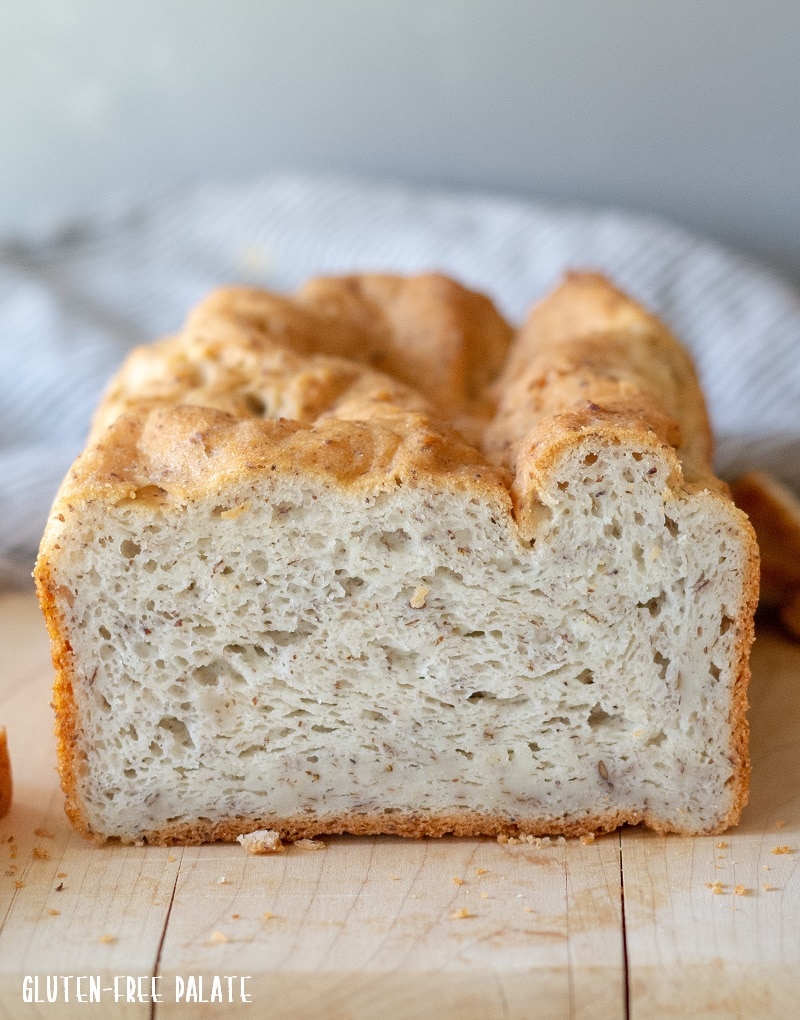
This is the one to start with if you're new to gluten-free baking. The Classic Gluten-Free Bread bakes up soft and fluffy with a fine, even crumb that holds together under any sandwich filling. Peanut butter and jelly, turkey and avocado, BLTs: it handles them all without falling apart. We've made this loaf more times than we can count, and it freezes beautifully. Slice the whole loaf, wrap it well, and pull out pieces as you need them throughout the week.
Get the recipe for Classic Gluten-Free Bread.
Gluten-Free Yeast-Free Bread

When you need bread fast, or when yeast is off the table for dietary reasons, this Gluten-Free Yeast-Free Bread delivers. No rise time, no proofing, no waiting. The dense, tender texture makes it a natural fit for open-faced sandwiches and toast, and it's naturally dairy-free too. This is the recipe we reach for on weeknights when there's no time to plan ahead.
Get the recipe for Gluten-Free Yeast-Free Bread.
Gluten-Free Sourdough Bread

This Easy Gluten-Free Sourdough Bread captures everything people love about sourdough: the tangy flavor, the chewy crust, the open crumb. And it has none of the gluten. It's the best choice in this roundup for sandwiches that need structure: grilled cheese, pressed paninis, and anything with juicy fillings that might otherwise soak through softer bread. The recipe uses a gluten-free sourdough starter, which takes a few days to develop but is absolutely worth it.
Get the recipe for Easy Gluten-Free Sourdough Bread.
Gluten-Free Rye Bread

Rye bread has a very particular flavor: earthy, slightly bitter, deeply savory. It's also one of the harder things to recreate without gluten. This Gluten-Free Rye Bread gets it right. The secret is in the spice blend, which mimics the caraway and malt notes that define traditional rye. Use it for Reuben sandwiches, pastrami, smoked salmon, or any deli-style build where that bold base flavor matters. If you've missed rye since going gluten-free, this recipe is the one.
Get the recipe for Gluten-Free Rye Bread.
Gluten-Free Potato Bread
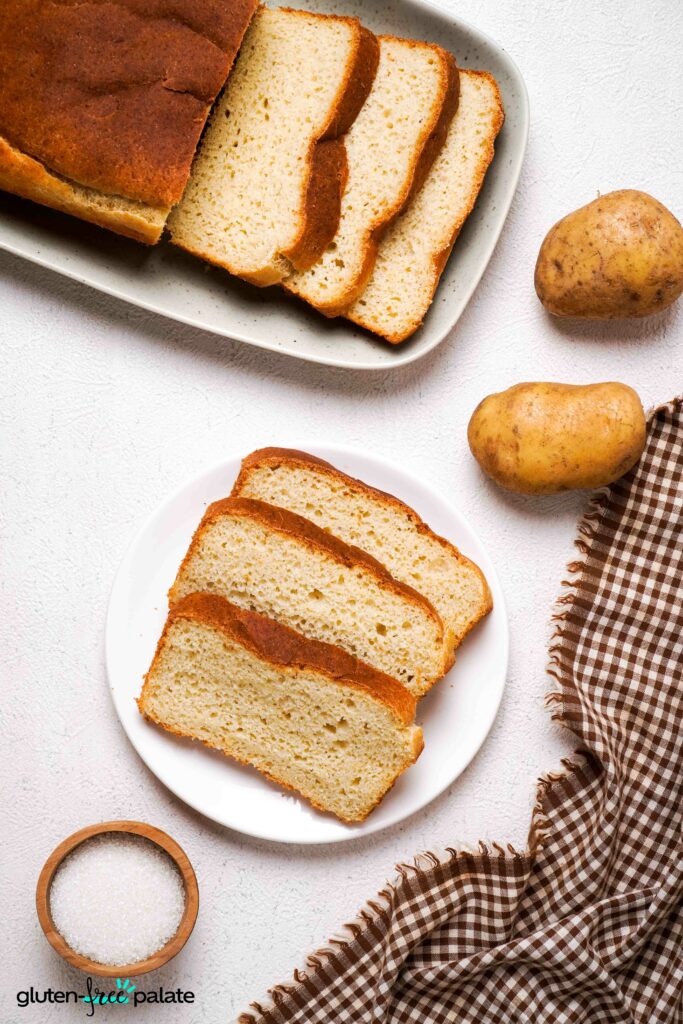
Potato bread is a standout in the gluten-free world for one simple reason: it stays moist. The starch from the potatoes does what gluten normally would: it holds moisture in the crumb so the bread doesn't dry out or crumble the way many gluten-free loaves do. The flavor is mild and slightly sweet, which pairs well with both savory fillings and sweeter spreads. This one is especially good for burgers and gluten-free hamburger buns if you adjust the shape.
Get the recipe for Gluten-Free Potato Bread.
Gluten-Free Cheese Bread

This Gluten-Free Cheese Bread is for the days when a plain loaf just won't cut it. Packed with cheese throughout, it's a natural fit for grilled cheese sandwiches, savory breakfast toast, or served alongside a bowl of gluten-free soup. It's indulgent, crowd-pleasing, and converts skeptics every time. Note that this one contains dairy, so it's not suitable for dairy-free diets.
Get the recipe for Gluten-Free Cheese Bread.
Start Baking
Six bread recipes, six different reasons to skip the store-bought loaf. Pick the one that fits your next sandwich, bake a batch, slice and freeze the rest, and you'll have homemade gluten-free bread ready whenever you need it. For more tested gluten-free bread recipes and baking guides, browse the full collection at Gluten-Free Palate.
The best gluten-free bread for sandwiches depends on what you're making. For everyday cold sandwiches, the Classic Gluten-Free Bread or Potato Bread work well because they're soft and hold together. For grilled cheese or pressed sandwiches, Sourdough offers a sturdier, chewier texture. For deli-style sandwiches like a Reuben, Rye Bread is the clear choice.
Yes. All six of these breads freeze well. The best approach is to let the loaf cool completely, slice it, and freeze the slices in a zip-top bag with a sheet of parchment between each slice. Pull out individual pieces and toast directly from frozen or let them thaw at room temperature for about 20 minutes.
Gluten-free bread falls apart when it lacks adequate binding agents, typically xanthan gum or psyllium husk, or when the flour blend doesn't retain enough moisture. Homemade recipes like the ones in this roundup are specifically formulated to hold together under sandwich fillings. If store-bought bread is crumbling, switching to a homemade recipe with a tested flour blend usually solves the problem.
Most reliable gluten-free sandwich bread recipes use a blend rather than a single flour. A common base is white rice flour combined with tapioca starch and potato starch, with xanthan gum added for structure. Some bakers prefer blends that include sorghum flour for a slightly more whole-grain flavor. The recipes in this roundup include tested flour combinations so you don't have to experiment from scratch.
Density in gluten-free bread usually comes from too little leavening, insufficient hydration, or skipping the full rise time in yeast-based recipes. Make sure your yeast is fresh and active before you start, measure your flour by weight rather than volume when possible, and don't rush the rise. The yeast-free recipe in this roundup avoids this issue entirely with a quick-bread approach.
Yes. Psyllium husk powder is the most common xanthan gum substitute in gluten-free bread baking. It provides similar binding and structure. Some bakers also use ground flaxseed mixed with water as a binder, though results can vary by recipe. Check the individual recipe notes for substitution guidance specific to each loaf.
Homemade gluten-free bread is best within 2 to 3 days at room temperature. Because it lacks the preservatives in commercial bread, it stales and dries out faster than store-bought loaves. For longer storage, slice and freeze immediately after cooling. Frozen slices stay good for up to 3 months.
Homemade gluten-free bread made with certified gluten-free ingredients is generally safe for people with celiac disease, provided there is no cross-contamination in the kitchen. Use dedicated gluten-free baking tools and surfaces, and verify that every ingredient you use is certified gluten-free rather than just labeled "gluten-free."
Frequently Asked Questions
What is the best gluten-free bread for sandwiches?
Can I freeze homemade gluten-free sandwich bread?
Why does gluten-free bread fall apart in sandwiches?
What flour is best for gluten-free sandwich bread?
How do I keep gluten-free bread from being too dense?
Can I make gluten-free sandwich bread without xanthan gum?
How long does homemade gluten-free bread stay fresh?
Is gluten-free bread good for people with celiac disease?
DID YOU MAKE THIS RECIPE?
Tag @glutenfreepalate on Instagram and hashtag it #glutenfreepalatebaker so we can see all the deliciousness!


Leave a Question or Comment