



This homemade gluten-free potato bread is so moist and tender, it completely changes the game for gluten-free sandwiches. If you are tired of dry, crumbly bread, this recipe is your solution. It's perfect for stacking up sandwich fillings or slathering with a generous portion of butter.

Why This Gluten-Free Potato Bread Recipe Works
Baking at home definitely makes the bread taste better, but with gluten-free baking, it's often a necessity to get the right texture. The "secret ingredient" here is mashed potatoes.
Unlike our standard gluten-free bread recipe, the starch and moisture from the potatoes keep this loaf soft for days. It creates a structure that mimics traditional wheat bread, making it flexible enough to bend without breaking.
Why You’re Going to Love This Recipe
- Moist and Tender: The mashed potato retains moisture, preventing the "dry crumb" common in GF baking.
- Easy to Make: Perfect for beginners. No complicated kneading required... just a hand mixer!
- Sandwich Ready: This bread is ideal for slicing, toasting, or eating plain with butter.

Ingredients in Gluten-Free Potato Bread
For the best results, please weigh your ingredients.
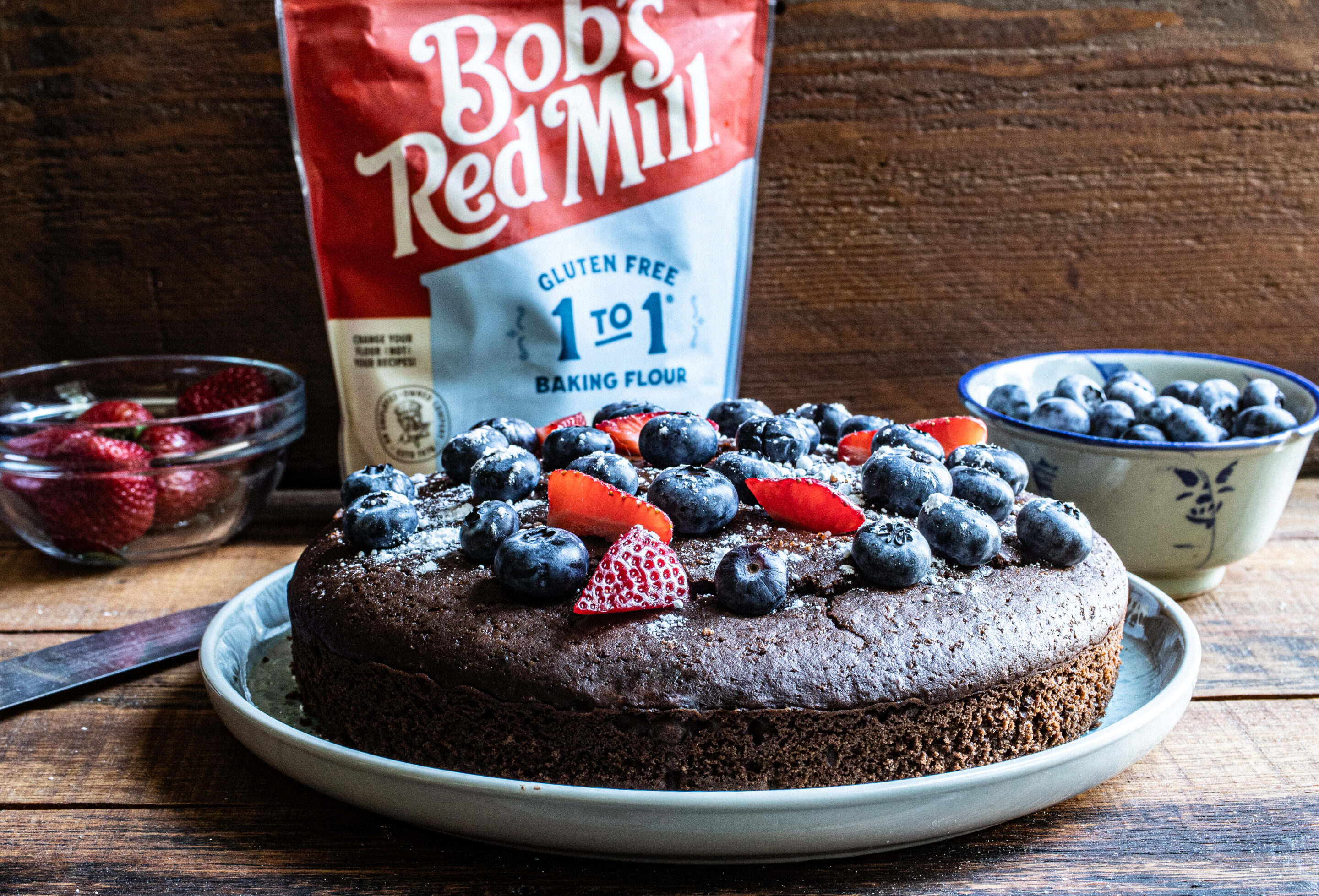
- Gluten-Free All-Purpose Flour: We recommend a high-quality blend like Bob's Red Mill Gluten-Free 1-to-1 Baking Flour. (And note that a cup of that weighs 148g).
- Tapioca Starch: Helps to bind the ingredients together and gives the bread a light, chewy texture.
- Xanthan Gum: Mimics gluten, providing elasticity and stickiness in the dough. (Note: If your flour blend already contains xanthan gum, like the one I'm using, you may want to reduce this amount slightly).
- Sugar: Adds a slight sweetness and helps to brown the crust.
- Instant Yeast: Allows the bread to rise. (Don't use active dry yeast for this recipe).
- Mashed Potato: Are potatoes gluten-free? Yes! Russet potatoes are the best choice as they have high potato starch content for a fluffy texture. Yukon Golds also work for a buttery flavor.
- Large Eggs: Bind the ingredients together and provide lift.
- Milk: Adds moisture to the dough. Dairy-free milk works here too.
- Light Olive Oil: Provides fat for a tender crumb and longer shelf life.
- Salt: Essential for flavor.
Equipment Needed
- Large Mixing Bowl: You need plenty of room to combine the dry ingredients with the bulky mashed potatoes without flour flying everywhere.
- Electric Hand Mixer (with spiral attachments) or Stand Mixer: Gluten-free potato dough is much stickier and denser than traditional wheat dough. A standard whisk won't cut it, and hand-kneading is very messy. The electric mixer ensures the potatoes are perfectly incorporated for a smooth crumb.
- Loaf Pan (8x5 inch): Size matters here! An 8x5 pan forces the dough to rise up rather than out, giving you a taller loaf perfect for sandwiches. Using a larger 9x5 pan often results in a flat, squat loaf.
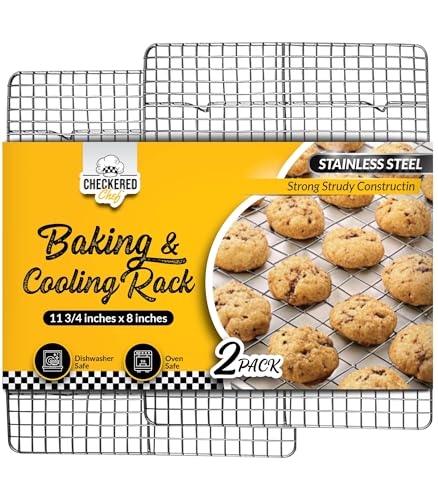
- Wire Cooling Rack: This is non-negotiable. Gluten-free bread holds a lot of steam. If you leave it in the pan to cool, that steam turns to liquid and will make the bottom of your loaf soggy. You need 360° airflow to keep the crust crisp.
How to Make the Mashed Potatoes (Prep)
- Select & Prep: You'll need 1 to 2 medium-sized Russet or Yukon Gold potatoes to make 1 cup of mashed potatoes. Peel the skins off and rinse under cold water.
- Boil: Chop into uniform chunks. Place in a pot, cover with cold water, add a pinch of salt, and boil. Simmer for 15-20 minutes until easily pierced with a fork.
- Drain & Mash: Drain thoroughly (excess water is bad for the bread!). Mash with a potato masher until smooth. Do not add milk or butter yet—just plain potato.
- Cool: Allow the mashed potatoes to cool to room temperature. Tip: Hot potatoes can kill your yeast! Measure out 1 packed cup for the recipe. This is one reason the recipe works so well with leftover mashed potatoes... they're already cool!

How to Make GF Potato Bread
- Mix Dry Ingredients: In a mixing bowl, combine the gluten-free all-purpose flour, tapioca starch, xanthan gum, sugar, and instant yeast.
- Add Potatoes: Fold the cooled mashed potatoes into the dry mixture until well combined.
- Add Wet Ingredients: Add milk and eggs. Use an electric hand mixer to blend until the dough is incorporated. Add the olive oil and salt, mixing until fully combined. The dough will be wet and sticky (this is normal!).
- Rise: Transfer the dough to a prepared loaf pan, smoothing the top with a wet spatula. Cover with a kitchen towel and let rest for 45 minutes, or until doubled in size.
- Bake: Preheat oven to 325°F (163°C). Bake in the center of the oven for 45-50 minutes, or until golden brown.
- Cool: Let the loaf cool in the pan for 10 minutes, then transfer to a wire rack to cool completely for at least 30 minutes before slicing.

Tips for Success
- Measure Ingredients Accurately: Use a kitchen scale for the flour and potatoes for the most consistent results. The bread dough turns out best if you follow my recipe exactly.
- Let the Dough Rest: Don't rush the rise time. That 45 minutes is crucial for a fluffy texture.
- Check Doneness: Gluten-free bread can look done on the outside but be gummy inside. If you have a thermometer, the internal temperature should reach 205°F-210°F.
- Cool Before Slicing: This is the hardest part! If you slice it hot, the steam escapes and the bread becomes gummy. Let it cool completely.
Frequently Asked Questions
Can I Use Instant Mashed Potato Flakes?
Fresh mashed potatoes work best for moisture, but in a pinch, you can use unflavored instant potato flakes. Prepare them according to the package instructions to yield 1 cup of thick mashed potatoes, and let them cool completely before adding to the dough.
How Do I Store Gluten-Free Potato Bread?
Store the cooled bread in an airtight container at room temperature for up to 3 days. Because of the potatoes, it stays moist longer than other GF breads!
Can I Freeze It?
Yes! I recommend slicing the bread first, then freezing the slices with parchment paper between them. In this form, it keeps for up to 3 months.
Can I Make This Dairy-Free or Egg-Free?
Dairy-Free: Yes, use almond milk, soy milk, or oat milk in place of regular milk.
Egg-Free: We have not tested this with flax eggs or egg replacers. Since eggs provide significant lift in this recipe, the texture may become denser without them.
Is Potato Bread Gluten-Free?
No, traditional Irish potato bread isn't gluten-free. That's why I made this recipe. This one uses a gluten-free flour blend.

Did you make this recipe? Please leave a star rating in the recipe card above and a comment below!
Gluten-Free Potato Bread
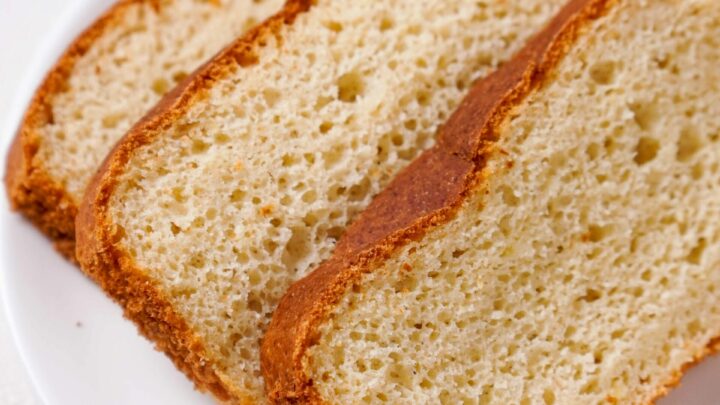
This homemade gluten-free potato bread is so moist and tender, and I have all the tips and step-by-step instructions ready for you.
Ingredients
- 2 cups gluten-free all purpose flour (296g if using Bob's Red Mill Gluten Free 1-to-1 Baking Flour)
- 1 tbsp tapioca starch
- 1 tsp xanthan gum (Use less than half this if your gf flour has xanthan gum already)
- 2 tbsp sugar
- 2 tsp instant yeast
- 1 cup mashed potato
- 2 large eggs, room temperature
- ¾ cup milk
- ¼ cup light olive oil
- ½ tsp salt
Instructions
- In a mixing bowl, combine the dry ingredients: gluten-free all-purpose flour, tapioca starch, xanthan gum, sugar, and instant yeast.
- Fold the mashed potatoes into the dry mixture until well combined.
- Add milk and eggs to the potato mixture. Use an electric hand mixer with a spiral attachment to blend until the dough is incorporated.
- Add the light olive oil and salt, mixing until the dough is fully mixed.The dough will be a bit wet and sticky.
- Transfer the dough to a prepared loaf pan, smoothing the top with a wet spatula. Cover with a kitchen towel and let rest for 45 minutes, or until doubled in size.
- Preheat the oven to 325°F (163°C). Bake the bread in the center of the oven for 45-50 minutes, or until golden brown.
- Allow the loaf to cool in the pan for 10 minutes, then transfer to a wire rack to cool completely for at least 30 minutes before slicing.
Notes
- Measure Ingredients Accurately - Use the exact measurements for the best loaf of bread.
- Let the Dough Rest Properly - Giving the dough time to rise is essential for a fluffy texture.
- Check Bread for Doneness - Use a toothpick or thermometer to ensure the bread is fully baked.
- Cool Before Slicing - Allow the bread to cool completely to prevent it from crumbling when sliced.
Recommended Products
As an Amazon Associate and member of other affiliate programs, I earn from qualifying purchases. They never cost you extra.


Nutrition Information:
Yield:
12Serving Size:
1Amount Per Serving: Calories: 105Total Fat: 7gSaturated Fat: 1gUnsaturated Fat: 6gCholesterol: 33mgSodium: 182mgCarbohydrates: 8gFiber: 1gSugar: 3gProtein: 2g
This nutrition info is based on the exact ingredients and brands used at the time. It may not be 100% accurate. Please check your ingredients nutrition labels.
DID YOU MAKE THIS RECIPE?
Tag @glutenfreepalate on Instagram and hashtag it #glutenfreepalatebaker so we can see all the deliciousness!


Donna Whitlock
Can we use Bobs Redmill Cup for cup GF flour instead of all purpose?
Wendy Stoltz
Hi Donna,
We have not tested it. Let us know if you do.
Thanks
Ellen
Hi, I made this bread today and it is great!! Thank you so much for the recipe!! I love that you can use mashed potato in it instead of buying expensive potato starch!! The olive oil was great too.
It did take longer to bake in my oven, we're at 2490 altitude, maybe the reason. This is my new best recipe in a long time.