


Yes, plain butter is gluten-free. Butter is made from cream, and cream contains no gluten. Pure salted and unsalted butter from reputable brands is safe for people with celiac disease. The risk appears when you look at flavored or blended butter products, which sometimes include additives derived from wheat or barley. Cross-contamination during manufacturing and shared kitchen conditions add another layer of risk. Read on for a brand-by-brand breakdown, a plain-language explanation of certifications, and practical tips for staying safe at home.
Is Butter Gluten-Free?
Yes, butter in its purest form is gluten-free. Butter is made by churning cream until the fat separates from the liquid, producing butter and buttermilk. Neither ingredient contains gluten. So, if you have celiac disease, plain butter is one of the safer staples to work with in your kitchen.
That said, not every product labeled as butter is simply churned cream. Flavored varieties, light butters, and blended spreads often include additives, flavorings, or stabilizers that can introduce gluten. Even a small amount of additives makes a difference, and that is where careful label reading becomes essential.
I remember the excitement of making butter in Home Economics, all of us taking turns at that old-school churner. The liquid felt like it would never turn solid. Thankfully, food processors exist now. The point is that real butter has always been a simple, two-ingredient product. When manufacturers start adding things, that simplicity disappears.
Gluten-Free Butter Brands: A Brand-by-Brand Breakdown
Note that formulations change. Always check the current label before purchasing.
Here is how the most common butter brands break down by certification status. This is the level of detail that most articles skip, and it is exactly what matters when you are shopping for a household with celiac disease.
| Brand | Certification Status | Safe Varieties | Varieties to Approach with Caution |
|---|---|---|---|
| Organic Valley | GFCO-certified (core butter line) | Salted butter, unsalted butter, cultured butter | Always confirm on new or limited-edition products |
| Land O'Lakes | GFCO-certified (core stick butter line) | Salted butter sticks, unsalted butter sticks, Extra Creamy butter | Some flavored tub spreads; check individual labels |
| Kerrygold | Not GFCO-certified; naturally gluten-free | Pure Irish Butter (salted and unsalted), Grass-Fed Butter | No gluten-containing ingredients in current formulations; no third-party certification |
| Tillamook | Gluten-free labeled (not GFCO-certified) | Salted butter, unsalted butter | No gluten-containing ingredients found; no independent certification |
| Challenge | No gluten allergen listed on packaging | Salted and unsalted stick butter | European-style and flavored varieties; check labels individually |
| Horizon Organic | No gluten allergen listed on packaging | Salted and unsalted butter | Confirm each product; organic does not mean certified gluten-free |
| 365 (Whole Foods) | Gluten-free labeled | Salted and unsalted butter | Verify at purchase; store-brand formulations can change |
Our family reaches for Kerrygold most often. It is on the pricier side, but the flavor from grass-fed milk is noticeably richer, especially in baked goods. For baking in volume, we keep Land O'Lakes on hand because the GFCO certification gives extra peace of mind and it is easier to find in bulk.
If you want the highest safety standard available, look for Organic Valley or Land O'Lakes stick butter. Both carry GFCO certification on their core lines, which means an independent organization has verified the 10 ppm threshold, not just the brand itself.
Butter is usually a pretty low risk for us. But we also know what to watch out for.
Certified Gluten-Free vs. Gluten-Free Labeled: What Celiacs Need to Know
This distinction matters more than most articles acknowledge, so I want to address it directly.
When a product carries a gluten-free label, the manufacturer is self-certifying that the product meets the FDA threshold of fewer than 20 parts per million (ppm) of gluten. No third party has verified this claim. The brand is taking responsibility, but no independent testing or audit backs it up.
When a product is GFCO-certified (certified by the Gluten-Free Certification Organization), it has been independently tested and verified to contain 10 ppm of gluten or less. That is a stricter standard than the FDA requires, and it involves actual audits of manufacturing facilities, not just a label claim.
For someone managing celiac disease, especially someone who reacts to trace amounts, the difference is meaningful. A GFCO-certified product provides a level of accountability that a self-applied gluten-free label does not. When I am buying a new brand for the first time, I always look for that GFCO circle on the packaging. It takes one extra second and removes a lot of guesswork.
Other recognized certification bodies include NSF International, which tests products and audits facilities to verify gluten-free claims independently, and BRCGS (BRC Global Standards), a globally recognized food safety certification used primarily by manufacturers and retailers. Any of these third-party marks carry more weight than an uncertified label claim.
Does Salted Butter Contain Gluten?
Generally, no. Salt is not a gluten-containing ingredient, and salted butter is considered safe for most people with celiac disease. The risk shifts to manufacturing. Some facilities produce butter alongside wheat-based products, which raises the chance of cross-contamination. Choosing a brand with a certified gluten-free label removes that uncertainty.
Is Vegan Butter Gluten-Free?
Most vegan butters are gluten-free, but this category requires more scrutiny than dairy butter. Plant-based spreads can include a wider range of additives, and some use modified food starches or natural flavors that occasionally derive from gluten-containing grains. Always check the label and look for a gluten-free certification when possible. See the alternatives section below for specific brands.
Is Margarine Gluten-Free?
Margarine sits in a more complicated category. Many mainstream margarine products are gluten-free, but some contain additives that make them unsafe for people with celiac disease. Malt vinegar is a common additive in imported or European-style spreads and is not gluten-free. Some varieties of Promise and I Can't Believe It's Not Butter have historically included additives worth scrutinizing. Read the label on every purchase, not just the first time you buy a product, since formulations change.
When Butter Is Not Celiac-Safe
Plain, two-ingredient butter is fine. That is rarely the problem. The risk lives in these specific situations.
Flavored and Compound Butters
Garlic herb compound butters and flavored varieties are where things get tricky. Manufacturers sometimes use wheat-based starch as a carrier for powdered flavorings. When you see "Natural flavors" on a label, that phrase can occasionally trace back to barley-derived ingredients. If you need to confirm, call the manufacturer's consumer line directly and ask specifically whether the natural flavors are derived from gluten-containing grains. Unless a flavored butter explicitly states gluten-free or carries a certification, treat it as uncertain and look for a product you know is safe.
Light and Whipped Butters
These products often contain fillers and stabilizers to reduce fat content or improve spreadability. Some include modified food starch, which may derive from wheat. Check every label on light or whipped butters before buying. The risk comes from cross-contamination and additives, not from the dairy itself.
Spreadable Butter Blends
Butter-oil blends marketed as "spreadable" sometimes include malt vinegar, particularly in UK-made or imported products. Malt vinegar is derived from barley and is not safe for celiac disease. If the product is blended with canola oil or another neutral fat, it may still be safe, but verify the full ingredient list before purchasing.
Butter-Flavored Cooking Sprays
Butter-flavored cooking sprays are a category worth checking carefully. Products like Pam Butter Flavor spray can include additives and flavor compounds that are not always clearly sourced. Not all butter-flavored sprays carry a gluten-free certification, and the "butter flavor" component is where the uncertainty lives. If you use cooking spray regularly, look for a plain, unflavored option with a gluten-free label, or use a measured pour of certified gluten-free butter instead.
Butter in Hotels, Restaurants, and Food Service
Individual foil-wrapped butter portions served at restaurants and hotels often come from large food service suppliers who produce many products in shared facilities. When I am eating out, I ask the server which brand the kitchen uses. Most kitchens cannot tell you the certification status on the spot, which means individual butter portions in food service settings carry a higher unknown risk than retail brands where I can read the label myself.
This applies to all kinds of specialty butters as well. If a chef is combining butter with gluten-containing components, the result is not gluten-free regardless of what the original butter certification says.
Cross-Contamination Is a Real Risk
Even a perfectly certified gluten-free butter can become unsafe in a shared household. This is the scenario I see come up most often for families managing celiac disease alongside gluten-eating family members.
The shared butter dish is the most common contamination point. Someone spreads butter on toast, their knife picks up bread crumbs, and they press the knife back into the butter. That is cross-contamination. It does not take much, and it happens without anyone realizing it.
Here is what we do at home:
- We keep a separate, clearly labeled butter dish that only people with celiac use. It costs nothing extra and removes the problem entirely.
- When we have one communal butter dish at a family gathering, I take my portion first, before anyone has used it, and put it on a small plate. Then I do not go back to the communal dish.
- We use a clean knife every time, or we use a dedicated spreader that stays with the gluten-free butter and never touches bread from a shared cutting board.
When it comes to cross-contamination, I am mainly concerned about the habits in the kitchen around the butter. Getting those habits in place takes about one week and then becomes second nature.

For a deeper look at kitchen safety practices, our guide to gluten-free condiments covers many of the same shared-container risks that apply across your fridge and pantry.
What to Look for When Buying Gluten-Free Butter
Here is a practical checklist for the grocery store:
- Look for short ingredient lists. Plain butter should contain only cream and salt.
- Check for a GFCO, NSF, or BRCGS certification mark on the packaging. This is a stronger safety signal than a self-applied gluten-free label.
- Avoid flavored or light butters unless they carry a gluten-free certification.
- Skip butter-flavored cooking sprays unless they carry a gluten-free label. Use plain certified butter instead.
- If a product claims to be gluten-free but carries no certification, check the manufacturer's website. Many brands maintain a gluten-free FAQ page or list allergen information by product. If you cannot find the information online, call their consumer line directly.
- Be especially careful with imported European butter spreads, which sometimes contain malt vinegar.
How to Make Butter at Home
Making butter at home is genuinely easy and gives you complete control over what goes into it. I get that life is busy and adding one more task feels like too much. But this one takes about five minutes and gives you fresh buttermilk as a bonus.
- Pour heavy cream into a food processor or stand mixer and run it until the cream separates into butter and buttermilk. This usually takes two to three minutes past the whipped cream stage.
- Drain the buttermilk and save it for baking. Rinse the butter solids under cold filtered water, pressing out any remaining liquid.
- Season with salt if you like, shape it, and store it in a butter bell or sealed container in the fridge.
Homemade butter from a single-source cream you trust is the most celiac-safe option possible. There are also interesting chemical and physical properties that occur during the churning process if you want to go deeper on the science.
Dairy-Free and Vegan Butter Alternatives
If you are managing both celiac disease and a dairy intolerance (which is more common than most people realize, especially in the early stages of celiac recovery), here are the options worth considering. For recipes using these alternatives, our gluten-free dairy-free recipes collection is a good starting point.
- Ghee is clarified butter with the milk solids removed. It is naturally gluten-free and largely free of lactose and casein, making it a good option for people who react to dairy products. Most people with a milk allergy or sensitivity tolerate ghee well, though individual responses vary.
- Miyoko's Creamery Vegan Butter is made from cashew cream and is certified gluten-free. It performs well in baking and has a flavor closer to real butter than most plant-based alternatives.
- Country Crock Plant Butter is available in several varieties including olive oil and avocado oil formulations. Check individual labels, as not all varieties carry gluten-free certification.
- Earth Balance offers several gluten-free labeled varieties. Their soy-free buttery spread is widely available and works well for baking.
- Coconut oil is a viable substitute in baked goods with a higher fat content, though it adds a distinct flavor that may not suit every recipe.
- Avocado oil is a good choice for high-heat cooking and roasting where butter would otherwise be used. It contributes very little flavor of its own.
Where to Buy Gluten-Free Butter
Plain certified gluten-free butter is available at most major grocery chains. We buy ours from local grocery stores, Amazon, Target, and Walmart depending on what is on sale. Costco consistently stocks Kerrygold in multi-packs, which is worth buying in bulk if you do a lot of baking. Organic Valley is widely available at natural food stores and online.
The Best Recipes to Make with Butter
Butter is essential to gluten-free baking. It contributes moisture, richness, and structure in ways that are hard to replicate. Here are a few of our favorites that showcase what good butter can do.
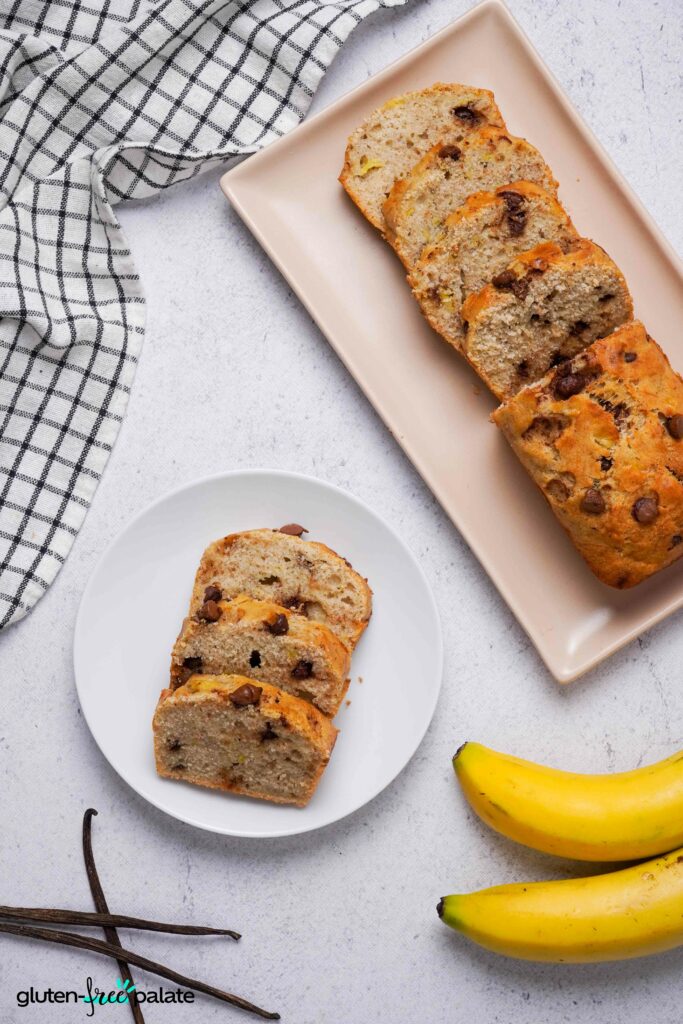
Our gluten-free banana bread is one of the recipes I come back to most. A thick slice with a pat of butter melting into it while still warm is one of those simple things that makes gluten-free living feel genuinely good rather than like a compromise.
For cookies, our gluten-free shortbread cookies are butter-forward in the best way. The flavor is almost entirely from the butter itself, so using a quality brand like Kerrygold makes a noticeable difference compared to a generic alternative.
And these gluten-free mashed potatoes simply would not be the same without butter both during cooking and added at the end. It is one of those recipes where butter is kind of the point.

Is Butter Safe for Celiac Disease? The Bottom Line
Plain butter is one of the safest staples a celiac household can keep on hand. The risk is concentrated in flavored and blended products, shared kitchen conditions, and unverified additives in spreads and margarines. Choosing brands with GFCO or equivalent third-party certification removes the most significant uncertainty, and keeping a dedicated butter dish for the celiac member of the household removes the rest.
Tell me, what is your go-to butter? Do you keep a separate one for baking versus everyday use? I would love to hear what works for your household.
More Gluten-Free Guides
- Is peanut butter gluten-free?
- Is cream cheese gluten-free?
- Gluten-free condiments: the complete guide
- Gluten-free dairy-free recipes
- Gluten-free baking basics
Frequently Asked Questions
Is all butter gluten-free?
Plain butter made from cream and salt is naturally gluten-free. The concern comes with flavored butters, light butters, and blended spreads, which may contain additives derived from wheat or barley. Always read the ingredient label on any butter product that goes beyond simple salted or unsalted cream.
What butter brands are certified gluten-free?
Organic Valley and Land O'Lakes both carry GFCO certification on their core butter lines, which means an independent organization has verified their products test at 10 ppm or below. Kerrygold and Tillamook are considered naturally gluten-free and are widely trusted by the celiac community, though neither carries formal GFCO certification at this time.
What is the difference between a gluten-free label and GFCO certification?
A gluten-free label is a self-certification by the manufacturer claiming the product meets the FDA threshold of fewer than 20 ppm of gluten. No independent body has verified it. GFCO certification means a third party has audited the manufacturing facility and tested the product to a stricter 10 ppm threshold. For celiac disease, the certified option provides more accountability.
Is Kerrygold gluten-free?
Yes. Kerrygold Pure Irish Butter contains pasteurized cream, skimmed milk, and cultures. No gluten-containing ingredients appear in the formulation, and it is widely considered safe by the celiac community. Kerrygold does not currently carry GFCO certification, but no gluten-related concerns have been widely reported for their plain butter varieties.
Is Land O'Lakes butter gluten-free?
Yes. Land O'Lakes stick butter (salted and unsalted) carries GFCO certification and is safe for people with celiac disease. Some of their flavored tub spreads are a separate story, so check the label on those individually rather than assuming the certification on stick butter extends across the entire product line.
Is ghee gluten-free?
Yes. Ghee is clarified butter with the milk solids removed, and it is naturally gluten-free. It is also largely free of lactose and casein, which makes it a useful option for people managing both celiac disease and a dairy sensitivity. Most people with a milk allergy tolerate ghee well, though individual responses vary. Choose a brand with clear, simple sourcing and no added flavorings.
Is vegan butter gluten-free?
Most vegan butters are gluten-free, but plant-based spreads require more label scrutiny than dairy butter. They can contain a wider range of additives, modified food starches, and natural flavors that sometimes derive from gluten-containing grains. Miyoko's Creamery Vegan Butter is certified gluten-free and a reliable option. Always check the label and look for certification on any plant-based butter before buying.
Is salted butter safe for celiacs?
Yes. Salt is not a gluten-containing ingredient, and salted butter from reputable brands is generally safe. The variable is the manufacturing facility. Choosing a brand with third-party gluten-free certification provides extra assurance that the production environment has been independently verified.
Is margarine safe for people with celiac disease?
Most mainstream margarines are gluten-free, but this category requires careful label reading. Some spreads include malt vinegar as an additive, particularly in imported European products, and malt vinegar is derived from barley. Read the full ingredient list every time, since formulations change without notice.
Can butter cause cross-contamination in a shared kitchen?
Yes, and it is more common than people expect. When someone spreads butter on wheat bread and returns the knife to the butter dish, gluten-containing crumbs transfer into the butter. The safest approach is to keep a clearly labeled, separate butter container for the celiac household member and to use a clean utensil every time. This habit takes about a week to build and then becomes automatic.
DID YOU MAKE THIS RECIPE?
Tag @glutenfreepalate on Instagram and hashtag it #glutenfreepalatebaker so we can see all the deliciousness!

Leave a Question or Comment