


When we first started our gluten-free journey, the baking aisle in our local supermarket was overwhelming. We had limited choices of gluten-free flour blends and single flours, such as almond flour, oat flour, and a few other more limited options, on the shelves.
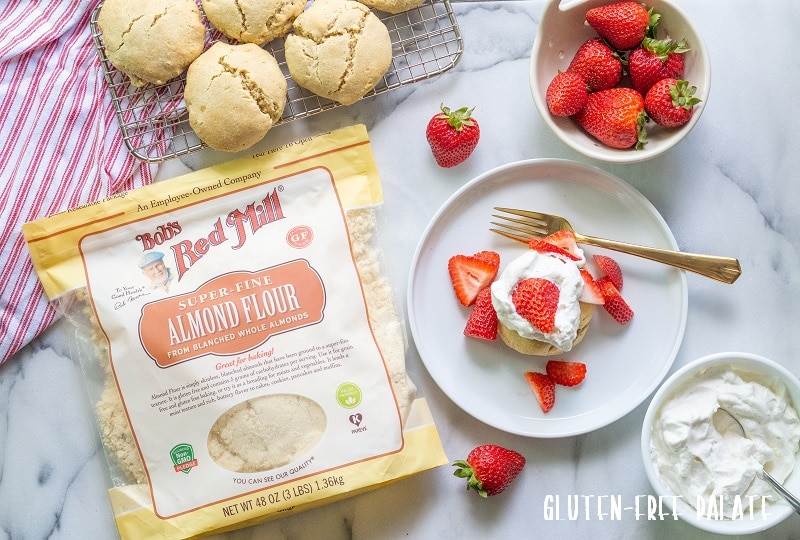
I had no idea what I was doing. In a moment of total overwhelm, I took a bag of almond flour. And it sat in my pantry, as I had no clue about gluten-free baking, and the overwhelming number of different types of flour available. I didn't know which one to choose.
If you're just starting out, let's take the first step together: Is almond flour gluten-free? We can then explore the baking element of this flour. In gluten-free baking, not all flours are equal, and you need to understand the nuances of each type's good and bad in order to get the perfect bake.
The Low Down On Almond Flour
So, what exactly is almond flour? Almond flour is made from finely ground blanched almonds. Its nutritional profile includes:
- 50% monounsaturated fats
- It's high in protein, magnesium, and fibre.
- Low in carbohydrates
- Vitamin E
- It has no gluten and lacks starch.
It is not to be confused with almond meal, which is often made from raw, unblanched almonds. Meal also has a coarser texture, unlike the fine texture of almond flour.

Is Almond Flour Gluten Free?
I know what you're thinking, so it has to be gluten-free. Well, it technically should be a resounding yes, as it's ground almonds. But here are some other considerations you need to look out for, such as the risk of cross-contamination.
This is when a product is produced or processed in a factory that also processes gluten-containing products. So you are potentially at risk of the gluten-free product being exposed to gluten via shared equipment.
In order for you to have peace of mind, look out for certified gluten-free labeling so you know it is produced in a gluten-free facility. Only buy from trusted brands like Bob's Red Mill, King Arthur, and Anthony's Goods. I also like to call manufacturers when I have some doubts.
The Good And The Bad When Baking With Almond Flour
Almond flour is a great option when baking. It has health benefits (including regulating blood glucose), and it's gluten free. But here are a few tips you need to know in order to use it effectively:
- The high fat content in almond flour helps baked goods have a moist texture.
- It adds a lovely nutty flavor to your baked goods.
- It produces a great crumb texture that works so well for macarons, tea cakes, and madelines.
- It does not have gluten, so it does not have elasticity to it.
- Due to the high fat, it tends to brown faster, so you need to watch your baked goods and have foil ready to tent them.
- You can't always swap it 1:1 in recipes. It will result in soggy or collapsed baked goods.

Tips For Baking With Almond Flour
Now that we know the good and bad about almond flour, it does not mean it is not a good flour to use. You just need to know how to use it.
- Due to almond flour lacking structure, you need to team it up with binders or structure builders like eggs, starches, and psyllium husk. This will all depend on the recipe.
- I usually use it with other flours. I am a big fan of gluten-free flour blends.
- Use metal bakeware so that your bakes don't burn or overcook.
I have a much more detailed look at gluten-free flour recipes, too. That goes deeper on how to make your own blend (which will give you the binders and starches you need for baking, if that's what you want to do).
Specifically, take al look at how to make your own oat flour. As long as you're working with certified gluten-free oats, it's such a good option for gluten-free bakers.
Favorite Almond Flour Recipes
Here are some of our favorite recipes to try, which all have almond flour as the main flour.
- Almond Flour Chocolate Chip Cookies
- Paleo Strawberry Shortcake
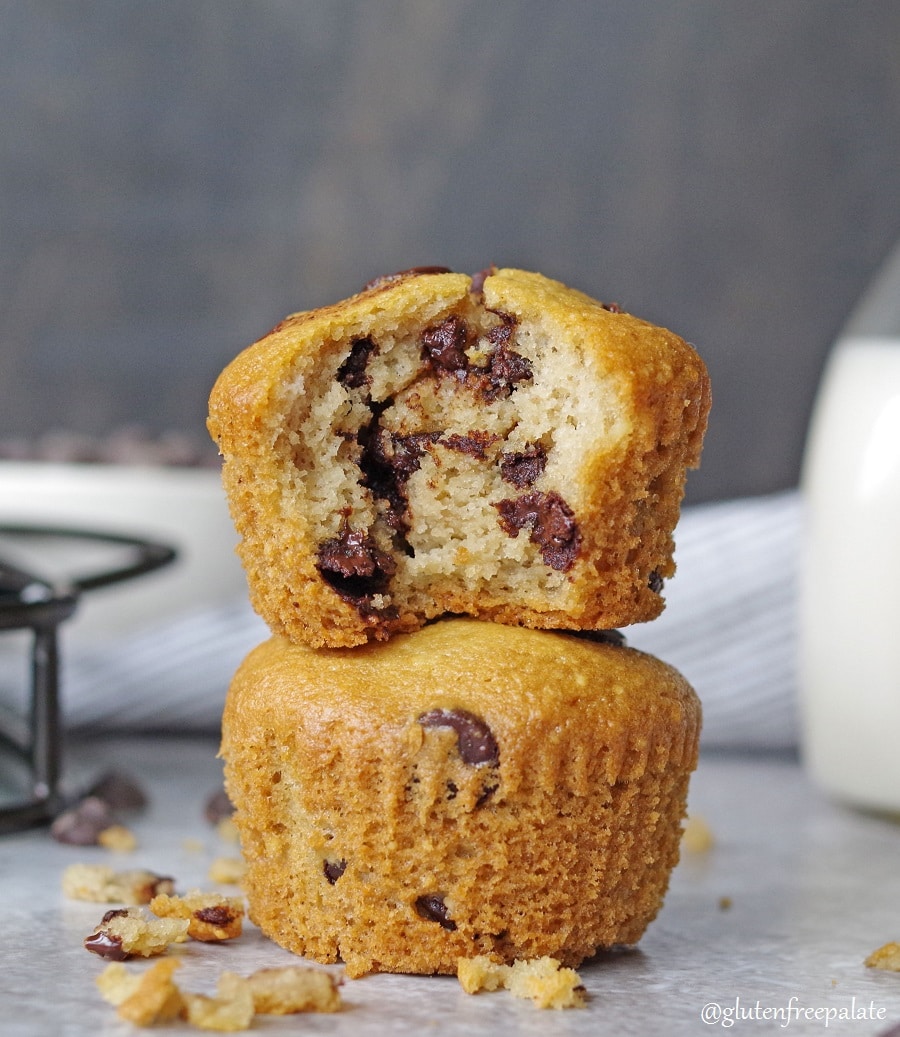
- Paleo Chocolate Chip Muffins
- Paleo Chocolate Cupcakes
FAQs: Your Almond Flour Questions, Answered
Can You Make Your Own Almond Flour?
Yes, you can. Grind blanched almonds without the skin on in a food processor or blender. Be careful not to grind it too much, as you'll then have almond butter.
Is Almond Flour Safe For People with Nut Allergies?
No, almond flour is made from the actual almond nuts. So it is not safe for anyone with nut allergies.
How Do I Store Almond Flour?
Almond flour has a high fat content, so it tends to spoil easily. Store it in an airtight container in the fridge for up to 3 months or in the freezer for 6 months.
The Full Potential of Almond Flour in Baking
Once you have taken the areas to look out for into consideration, you will be using almond flour to bake up the most delicious treats. Going gluten-free is all about learning and understanding all the new options you have and implementing them into your daily life. You'll be surprised how you may prefer these new options more.
And to recap: Yes, almond flour is a perfect option for gluten-free baking. There are just a few stipulations. Here's why almond flour is a safe alternative for all sorts of GF recipes.
DID YOU MAKE THIS RECIPE?
Tag @glutenfreepalate on Instagram and hashtag it #glutenfreepalatebaker so we can see all the deliciousness!





Leave a Question or Comment