


For centuries, it was the only way to make bread rise. Long before commercial yeast was available in convenient packets, bakers relied on a living, bubbling culture of flour and water. This ancient craft saw a massive resurgence during the recent pandemic, as millions, confined to their homes, discovered the profound satisfaction of baking their own sourdough.
Drawn to its rustic crust, complex flavor, and reputation for improved digestibility, these new bakers became custodians of a microscopic drama playing out on their kitchen counters.
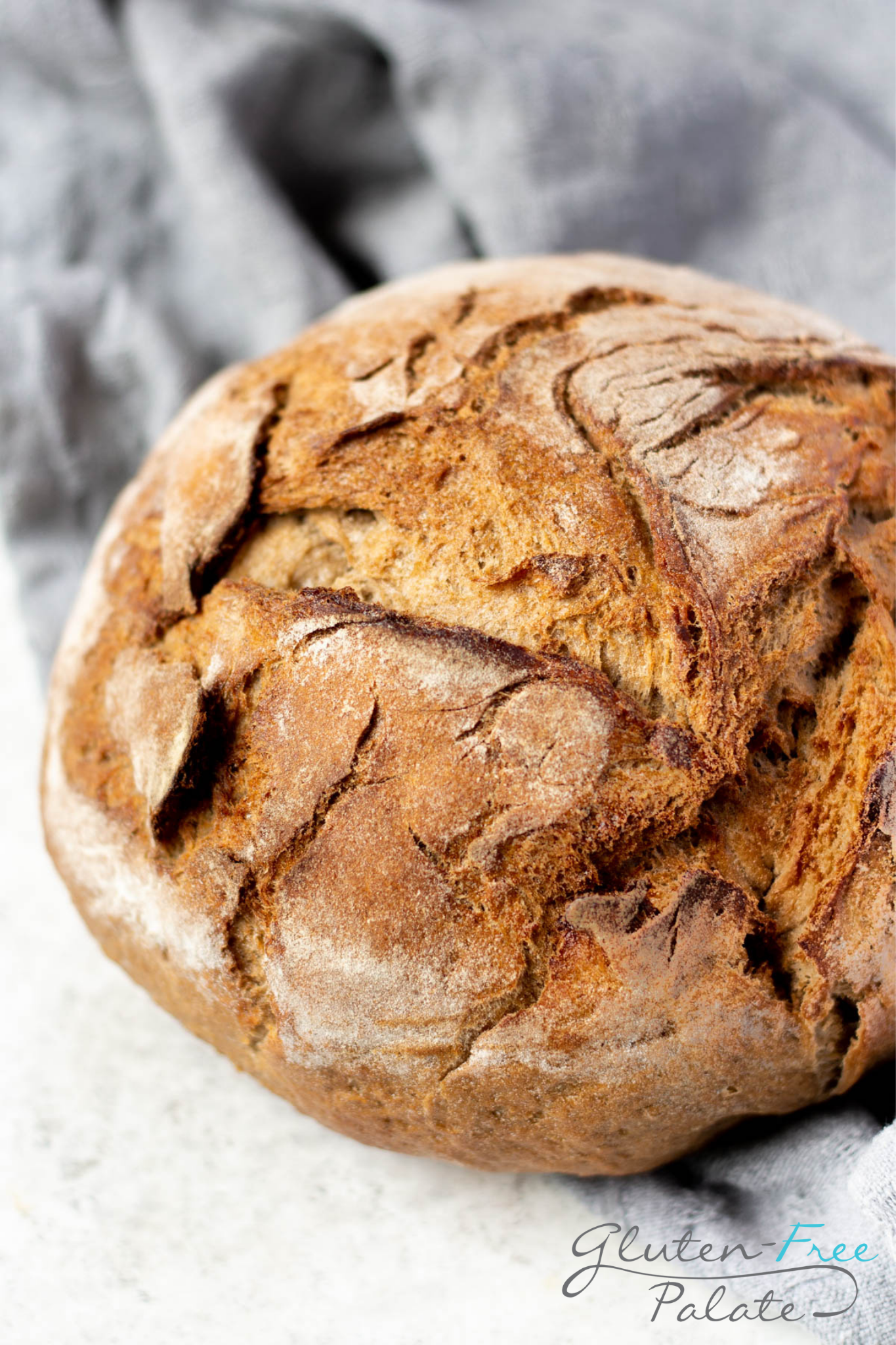
In this drama, one actor has always held the spotlight: yeast. We credit yeast, specifically Saccharomyces cerevisiae, with the magic of leavening, the bubbles of carbon dioxide that give sourdough its airy, open crumb.
But what if the yeast is merely the stagehand, responsible for building the set? That's something we're familiar with. We have a delicious recipe for gluten-free sourdough bread, and the key is the starter. But don't settle for anecdotes when there's evidence to review.
A groundbreaking global study led by researchers at North Carolina State University suggests the real star is a different microbe entirely, an unsung hero that has been shaping the flavor we crave in relative obscurity.
An investigation, called "The Sourdough Map," was a notable undertaking. Researchers including Rob Dunn, Erin McKenney, and others marshalled an army of 500 citizen scientists, from home bakers to professionals, across the globe. Each participant sent in a sample of their unique starter for DNA sequencing.
The goal was to finally answer the question that has long been the subject of baking folklore and tradition: What truly makes one sourdough starter different from another? Is it the age of the mother culture, passed down through generations? The artisanal flour used for feeding? Or something else?
The results, published in the journal eLife, were definitive, and they pointed away from geography as the primary differentiator between sourdough flavor profiles. According to one of the authors, “where the baker lives was not an important factor in the microbiology of sourdough starters.”
One driver of a starter’s unique character wasn't the yeast, but its invisible partner: acetic acid bacteria (AAB). It’s credited with giving about 30% of the sampled sourdoughs their aroma, and it also affects the speed at which it grows.
The other key takeaway? It’s not one main contributor that makes any given sourdough unique. It’s many. Angela Oliverio says many factors play a role, including “how old the sourdough starter is, how often it’s fed, where people store it in their homes, and so on.”

This discovery recasts the role of the baker. They are not just feeding yeast; they are cultivating a complex symbiotic partnership. That's exactly why we love this gluten-free sourdough starter. It's simple. It relies on the care of the baker. And, most importantly, it results in delicious loaves.
So the next time you slice into a loaf of homemade sourdough, admire its rise, but pay special attention to its aroma and tangy bite. That is the signature of the often-celebrated recipe in the baking world. It is the work of an invisible artist, the acetic acid bacteria, and the multitude of actions taken by the baker, that transforms a simple mixture into something with character, complexity, and soul.
DID YOU MAKE THIS RECIPE?
Tag @glutenfreepalate on Instagram and hashtag it #glutenfreepalatebaker so we can see all the deliciousness!

Leave a Question or Comment