


These gluten-free calzones feature a tender, chewy crust that's golden and perfectly crisp, encasing a rich, cheesy filling. They're the best meal option for any occasion. Prep ahead and enjoy a delicious gluten-free pizza night!

What Is A Calzone Pizza?
It's a pizza with filling added to one side and the other is folded over to form a pie-shaped pizza. It originated from Naples and roughly translated to “trouser” which is thought to be referencing the portable nature of this pizza.
This gluten-free pizza dough crust is equally good if you prefer the traditional pizza route. I love that I can freeze it and have pizza for dinner quickly. These gluten-free pizza rolls are a great appetizer or a quick kid's meal when they have friends over.
The Joy of My Gluten-Free Calzone Recipe
Pizza is an all-time favorite in our household. But calzones hold special memories for me. We used to go to the local Italian restaurant when I was younger, and I could not go past my favorite menu option which was a ham and cheese calzone. My favorite part was the calzone arriving at the table all puffed up and taking that first bite filled with cheesy goodness.
The pizza crust was the best as they twirled it so it could securely hold in all that gooey cheese. The second-best part was being able to take home some for breakfast the next day. The taste of pizza for breakfast is priceless.
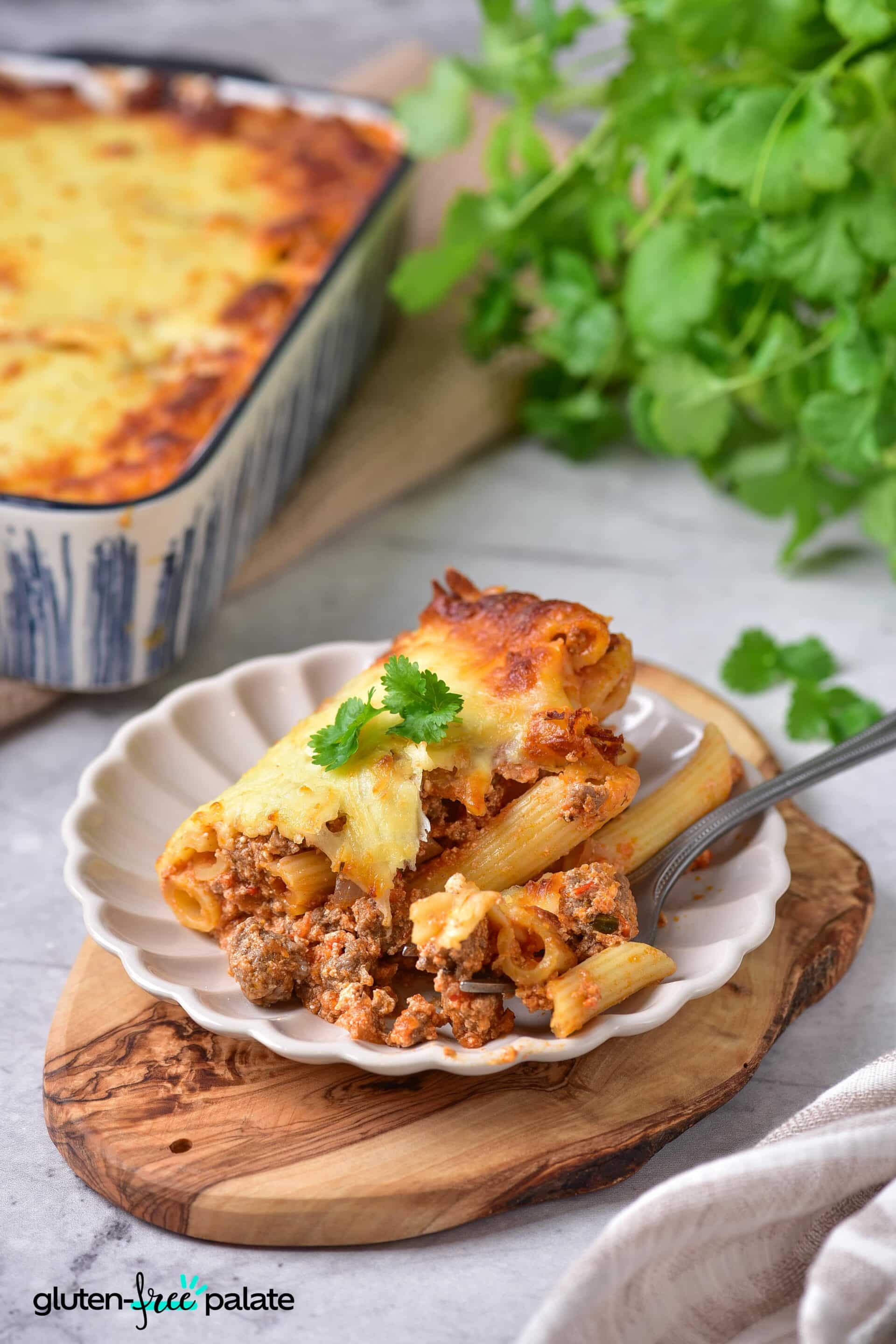
Of course, I also love easy chicken spinach pasta. It's another classic Italian meal that's easy to make on a Tuesday night. And my GF baked ziti (pictured below) is mouth-watering. But pizza night is pizza night, and calzones are pizza!
Why You’ll Love This Recipe
It's Simple to make. It is as easy as making traditional pizza dough, the only difference is folding it over and the hardest choice is deciding what to fill it with.
Filling choices. Our family loves choice. We all seem to have common foodie things we love, but pizza does divide us. Like does pineapple belong on a pizza? You also get the thick vs. thin crust debate. We are all in agreement here the thicker the better. And yes, we eat it by hand. No forks to be seen here!
Great crust. You’ll love the crust which is a great combo of tender but a nice chew. You can alter the consistency to make the crust a little crunchier, but I like mine to look and feel like a gooey slice of pizza.
People friendly. I didn’t mention kid or adult-friendly as I am yet to meet someone who does not like pizza. We love serving this on weeknights, over the weekend, and for pizza parties when we have friends over.

Main Ingredients in These Gluten-Free Calzones
Let’s look at each ingredient and give some tips to help you along. I get so many questions about ingredients that it's sometimes easiest to just mention why I included each. You might recognize many of these from my gluten-free bread recipe.

- Psyllium Husk Powder binds the dough and mimics the elasticity of gluten.
- Warm Water is used to activate the yeast and hydrate the dough. Be careful not to use boiling water as it will kill the yeast. Aim for 100°F and 110°F (37°C and 43°C).
- All-Purpose Gluten-Free Flour is for the structure and mimics gluten flour. Here's a great intro to gluten-free flours.
- Xanthan Gum is for stretchiness and prevents it from crumbling.
- Baking Powder gives the dough a light lift.
- Sugar feeds the yeast for rising and adds a bit of sweetness.
- Instant Yeast is so that the dough has a soft and fluffy texture.
- Potato Starch is for the elasticity and a tender crumb.
- Olive Oil adds moisture, and richness, and helps with the texture.
- Salt is for balancing all the flavors and helps the yeast activity.
- Cheese and sauce are also super important. And yes, most pizza cheese is gluten-free.
Equipment Needed for this Gluten-Free Calzones
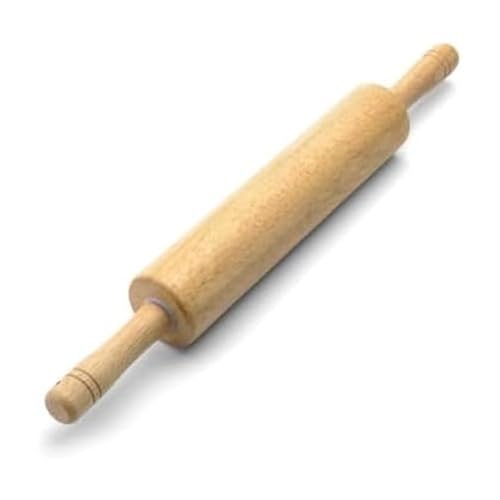
I use mixing bowls to combine the gluten-free pizza crust ingredients. A hand or stand mixer with a paddle attachment helps to mix the dough, ensuring it comes together smoothly. I also use a rolling pin. This helps me create that perfect 10-inch circle.
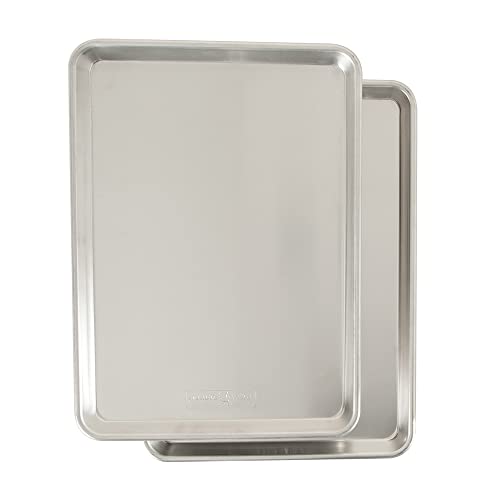
If you've made any sort of stuffed pizza before, you'll also know why it's important to slice the top. It prevents everything from bursting. For this, I use a knife. And beneath the calzone, there's a pizza stone or a baking sheet. Pizza stones hold the heat and help the crust continue to cook for longer, at least that's the claim. I've had enormous success with a regular baking sheet.
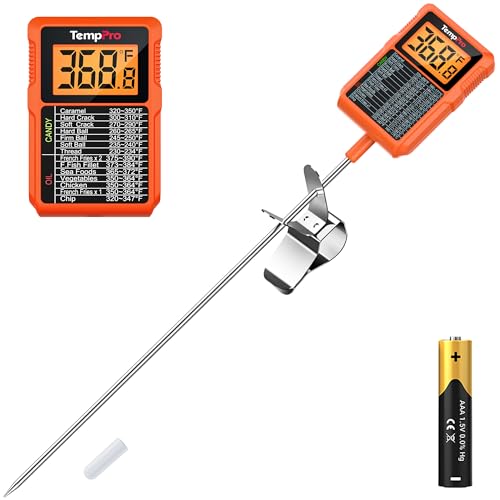
Finally, I use a pastry brush to apply the egg wash. If you've never used an egg wash on baked dough, you're in for a treat here. This is what gives it a golden-brown finish. The only other thing worth mentioning (besides a plate and maybe utensils for eating) is the cooking thermometer!
How To Make Gluten-Free Calzones
Here's the step-by-step process, broken down with photos. I'll show when to add each ingredient and how it looked when I made it.
Mix Psyllium Husk and Water to Form a Gel
Mix psyllium husk and lukewarm water until it forms a gel (about 30–45 seconds) in a bowl. This will act as a binder for the dough.

Add Dry Ingredients to Start the Dough
Add gluten-free flour, xanthan gum, baking powder, yeast, sugar, potato starch, and salt to the bowl. Begin mixing the dry ingredients.

Incorporate Wet Ingredients and Mix the Dough
Add the olive oil and gelled psyllium mixture to the dry ingredients and mix until the dough starts to form. Use a hand or stand mixer for even results.

Smooth the Dough and Refrigerate to Rest
Continue mixing the dough until it is smooth and cohesive. Cover and refrigerate for at least 1 hour to allow the dough to rest and hydrate.

Prepare the Egg Wash for a Glossy Finish
Prepare the egg wash by whisking together egg yolk, water, and oil in a small bowl. This will be used to give the calzones a golden, glossy crust.

Roll Out the Dough and Add Sauce and Fillings
Roll out the rested dough into a 10-inch circle. Then spread marinara sauce on one half and top with mozzarella cheese, ricotta, parmesan, and Italian seasoning.

Fold, Seal, and Vent the Calzone
Fold the dough over the filling and seal the edges by pressing them together. Roll and flute the edges for a decorative finish, then place the calzone on parchment paper. Brush with egg wash and cut three small vents in the top.

Bake Until Golden Brown and Serve
Bake the calzone at 375ºF (190ºC) for about 20 minutes or until golden and puffed. Let cool slightly, then slice and serve hot. Enjoy!

Making Gluten-Free Calzones In Eight Steps
Here is a view of all the steps in one image. This will help you to see how the dough transforms. Be sure to let the dough rest for 1 hour.

Tips For Making The Best Gluten-Free Calzone
So here are a few tips if you are new to yeast. It will help you get the desired pizza dough.
- Use Psyllium Husk and Xanthan Gum Together. These are important ingredients for structure and elasticity in the gluten-free dough, so it doesn’t crack or crumble.
- Hydrate the Dough Properly. The gluten-free dough can be dry, so measure your warm water carefully and allow the psyllium husk to fully form its gel before mixing.
- Don’t Skip the Rest Time. Refrigerating the dough for at least an hour helps it firm up, making it easier to roll out and shape.
- Roll the Dough Evenly. Aim for a 10-inch circle so the calzone folds smoothly and bakes evenly without overly thick or thin spots.
- Seal the Edges Well. Press the edges firmly together, roll them up slightly, and flute with your fingers to avoid any filling leaking out during baking.
- Brush with Egg Wash. A good coat of egg wash gives it a beautiful golden crust and helps to lock in moisture.
- Vent the Dough. Make 2-3 small slits on top to allow steam to escape, preventing the calzone from puffing too much or cracking.
- Preheat Your Oven Fully. Your oven needs to be at 375°F (190°C) before baking for even cooking and a crispy crust.
- Let the Calzone Cool Slightly Before Slicing. Resting for a few minutes after baking allows the cheese filling to set.

Frequently Asked Questions
Here are a few common questions I have answered for you. Feel free to ask anything in the comments so we can assist you or share your favorite pizza fillings.
How To Store This Gluten-Free Calzones?
Place the pizza in an airtight container or wrap them tightly in foil or plastic wrap once they have cooled. Store them in the refrigerator for 2–3 days.
Can I Freeze This Gluten-Free Calzones?
Yes, gluten-free calzones freeze so well. To freeze before baking, assemble the calzone, seal the edges, and brush with egg wash. Place it on a parchment-lined baking sheet, freeze until solid, then transfer to a freezer-safe bag or container. Freeze for up to 3 months, and bake straight from frozen, adding 5–10 extra minutes to the baking time.
If freezing after baking, let the calzone cool completely, wrap it tightly, and store it in a freezer-safe container.
What Substitutions / Replacements Can I Make in These Gluten-Free Calzones?
Cheese swaps - Swap ricotta cheese with cream cheese or cottage cheese for a creamy filling, or use dairy-free cheeses like mozzarella, ricotta, and parmesan for a vegan version.
Pizza Sauce - Replace marinara sauce with pesto, white garlic sauce, or BBQ sauce. I only use these sauces if it’s thicker or else you will have a soupy mess.
Glaze - Use a mix of dairy-free milk and olive oil instead of egg wash for an egg-free glaze.
Spice it up - Add red pepper flakes for extra spice, or fresh herbs like basil or oregano to change it up.
Fillings – So as with pizza toppings, calzones can have a variety of fillings. Stick with cooked proteins, not too watery veggies, and avoid overfilling it. We like olives, cooked onions, Italian sausage and pepperoni.
If you make any substitutions other than what I've tested with you are doing so on your own but please feel free to leave a question in the comment section below if you need help with anything. Go and enjoy your pizza night with this tasty pizza.
Gluten-Free Calzones

These gluten-free calzones with a tender, chewy texture and golden crust filled with your favorite fillings are a great meal option. Prep ahead and have a gluten-free pizza night.
Ingredients
Calzone Base:
- 1 tbsp psyllium husk powder
- 1 cup warm water
- 2 cups all-purpose gluten-free flour
- 1 tsp xanthan gum
- ½ tsp baking powder
- 1 tbsp sugar
- 2 tsp instant yeast
- ½ cup potato starch
- 3 tbsp olive oil
- 1 tsp salt
Filling:
- 1 cup marinara sauce
- 1 cup gluten free shredded mozzarella
- ¼ cup ricotta cheese
- ¼ cup grated parmesan cheese
- 1 tbsp Italian seasoning
For Egg Wash:
- 1 egg yolk
- 1 tbsp water
- 1 tbsp oil
Instructions
- In a bowl, mix the psyllium husk and lukewarm water together. After about 30-45 seconds, a gel will form.
- Add gluten-free all-purpose flour, xanthan gum, baking powder, yeast, sugar, and salt. Mix with a rubber spatula until well combined.
- Add the potato starch, water, and olive oil, and mix on medium speed in your hand mixer until the dough begins to come together. Turn the mixer to high speed and process for about 2 minutes.
- Cover the dough tightly with a towel and refrigerate the dough for at least an hour.
- Preheat the oven to 375ºF (190ºC). While waiting, in a small mixing bowl, mix together egg yolk, water, and oil. Set aside.
- After one hour, uncover the dough, and divide it into two equal portions. Sprinkle the dough lightly with flour, and knead it a bit until it’s smoother.
- Roll the dough into a round about 10 inches in diameter. On one half of the circle spread the sauce on and then sprinkle on the mozzarella, ricotta, parmesan, and Italian seasoning.
- Fold the other half over the cheese. To seal, first press the seams together. Next, roll the seam up towards the calzone and finally flute it, similar to a pie edge, using your forefinger and thumb.
- Place the dough on a piece of parchment paper. Brush the top and sides of the shaped calzone liberally with the egg wash.
- Using a pizza cutter or sharp knife, slice three vents in the top of the calzone.
- Bake for about 20 minutes, or until puffed and lightly golden brown all over. Remove from the oven, allow to sit for a few minutes, then serve hot.
Notes
- Use Psyllium Husk and Xanthan Gum Together. These are important ingredients for structure and elasticity in the gluten-free dough, so it doesn’t crack or crumble.
- Hydrate the Dough Properly. The gluten-free dough can be dry, so measure your warm water carefully and allow the psyllium husk to fully form its gel before mixing.
- Don’t Skip the Rest Time. Refrigerating the dough for at least an hour helps it firm up, making it easier to roll out and shape.
- Roll the Dough Evenly. Aim for a 10-inch circle so the calzone folds smoothly and bakes evenly without overly thick or thin spots.
- Seal the Edges Well. Press the edges firmly together, roll them up slightly, and flute with your fingers to avoid any filling leaking out during baking.
- Brush with Egg Wash. A good coat of egg wash gives it a beautiful golden crust and helps to lock in moisture.
- Vent the Dough. Make 2-3 small slits on top to allow steam to escape, preventing the calzone from puffing too much or cracking.
- Preheat Your Oven FullyEnsure your oven is at 375°F (190°C) before baking for even cooking and a crispy crust.
- Let the Calzone Cool Slightly Before Slicing. Resting for a few minutes after baking allows the cheese filling to set.
Recommended Products
As an Amazon Associate and member of other affiliate programs, I earn from qualifying purchases. They never cost you extra.



Nutrition Information:
Yield:
8Serving Size:
1Amount Per Serving: Calories: 314Total Fat: 12gSaturated Fat: 3gTrans Fat: 0gUnsaturated Fat: 8gCholesterol: 36mgSodium: 613mgCarbohydrates: 42gFiber: 4gSugar: 4gProtein: 10g
This nutrition info is based on the exact ingredients and brands used at the time. It may not be 100% accurate. Please check your ingredients nutrition labels.
Did you make these Gluten-Free Calzones? If so, please leave a comment and a starred review and let me know what you thought.
And as always, you can find all my recipes on GlutenFreePalate.com. That's where I list all the steps and ingredients in detail. My YouTube channel shows videos of all my latest gluten-free recipes.
DID YOU MAKE THIS RECIPE?
Tag @glutenfreepalate on Instagram and hashtag it #glutenfreepalatebaker so we can see all the deliciousness!




Janelle Vercoe
Is there any other ingredient that can be used to replace Psyllium Husk, my daughter reacts badly to that ingredient and it is used often in Gluten Free recipes.
Jim
Increasing the xanthan gum should be fine if you want to omit the psyllium husk. Thanks!