


When most people think of gluten-free food, the first thing that comes to mind is compromise. For decades, gluten-free products were synonymous with bland textures and cardboard flavors.
But a recent conversation flipped that narrative completely. In response to being asked, "What's better gluten-free than with gluten?" so many people responded. The answers ranged with a variety of tastes, but a few notes of consensus emerged. It turns out, for many foods, taking out the gluten actually makes them better.
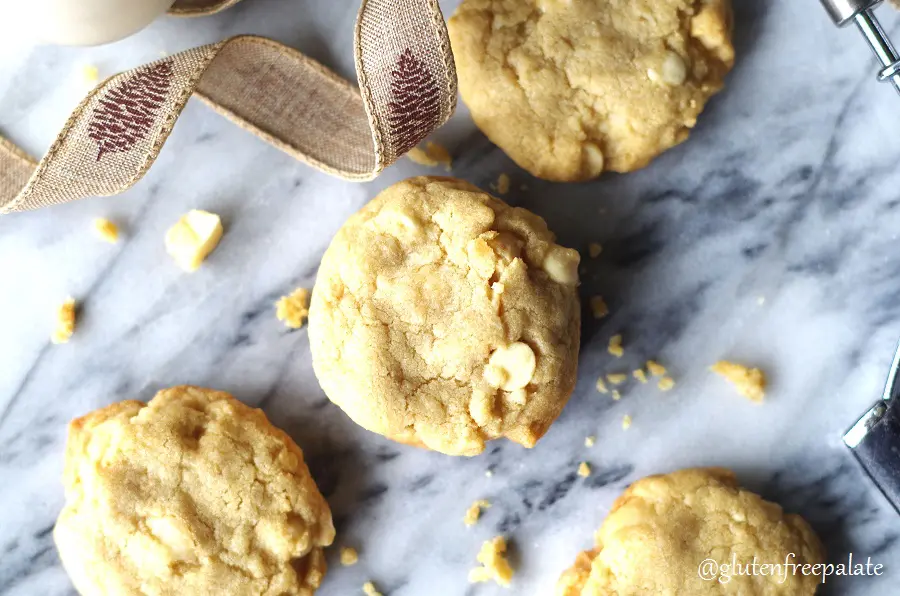
Cookie Rule
The most beloved gluten-free item by far was the cookie. Gluten-free Oreos came up repeatedly as being better than the original. It just seems like they're crunchier, more balanced in flavor, and somehow more addictive than their wheat-filled counterparts.
And it's not just those of us on gluten-free diets who agree about this. I heard from several people about family members who were initially dubious, mocking even, who ended up buying them by the case.
And it's not just Oreos. We're huge fans of Tate’s gluten-free chocolate chip cookies, Chips Ahoy, and almond flour varieties that bring richer flavor and better texture.
My personal favorite though might be gluten-free brownies. And I'm not alone. Brownies were a close second in popularity. Dozens of people agreed that gluten-free brownies are denser, fudgier, and more satisfying than traditional ones.
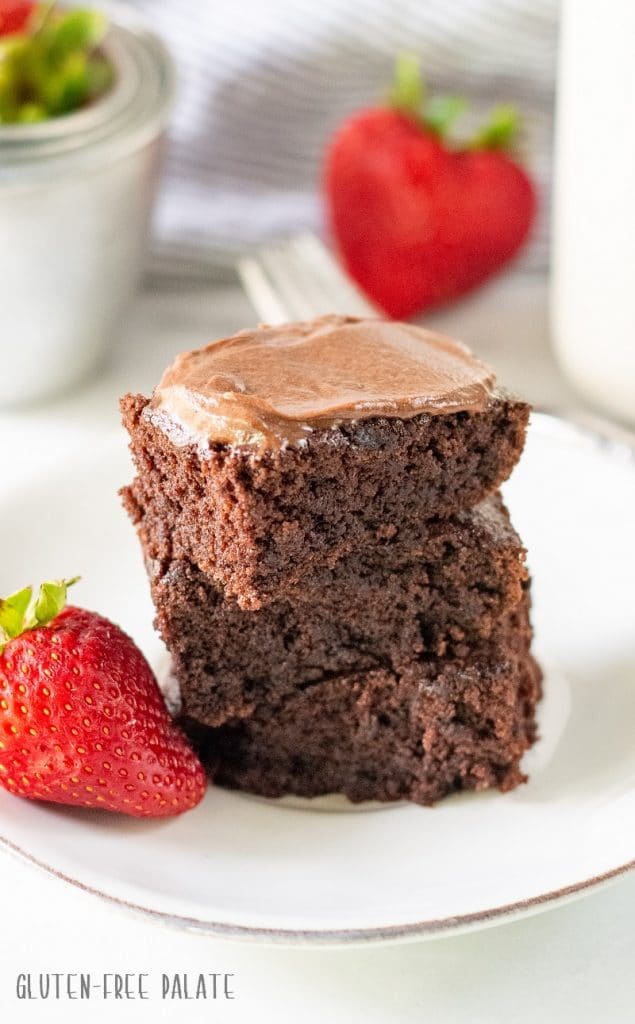
Gluten-free cookies and brownies are just better. There is no reason to use regular flour to make either of those recipes, especially when you get such flawless and inclusive results with gluten-free flour.
Pretzels, Crackers, and the Power of Crunch
Gluten-free pretzels earned consistent praise for their superior texture. Snyder’s gluten-free pretzel rods were a particular favorite. People said they had more crunch, less chew, and a cleaner finish.
In many cases, gluten-eating relatives preferred the gluten-free versions and did not want to switch back.
Crackers were another surprise win. Schar’s entertainment crackers were described as buttery, light, and nostalgic.
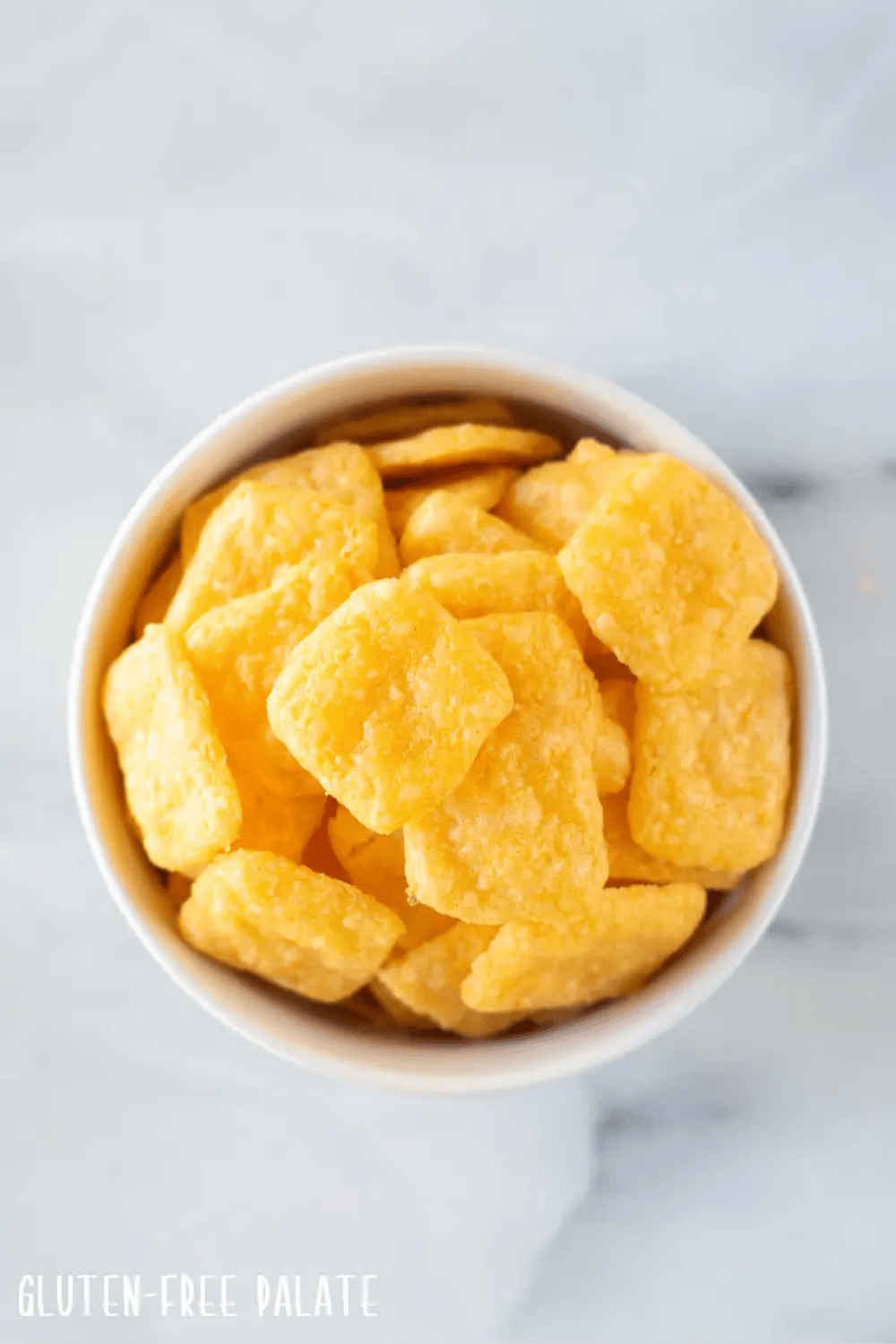
Crunchmaster and Simple Mills both had their loyalists, particularly among people who build cheese boards or want something that actually snaps instead of crumbling.
Breakfast Is Better Gluten-Free
Many people are also sharing breakfast as a major upgrade with gluten-free ingredients. Pancakes made with mixes like King Arthur, Pamela’s, and Bob’s Red Mill were described as lighter, airier, and more flavorful. One person who disliked pancakes entirely said they changed their mind after trying a gluten-free batch.
Waffles came up again and again, especially ones made with rice flour. One person said the outside was crisper and the inside more tender than anything they had made with wheat.

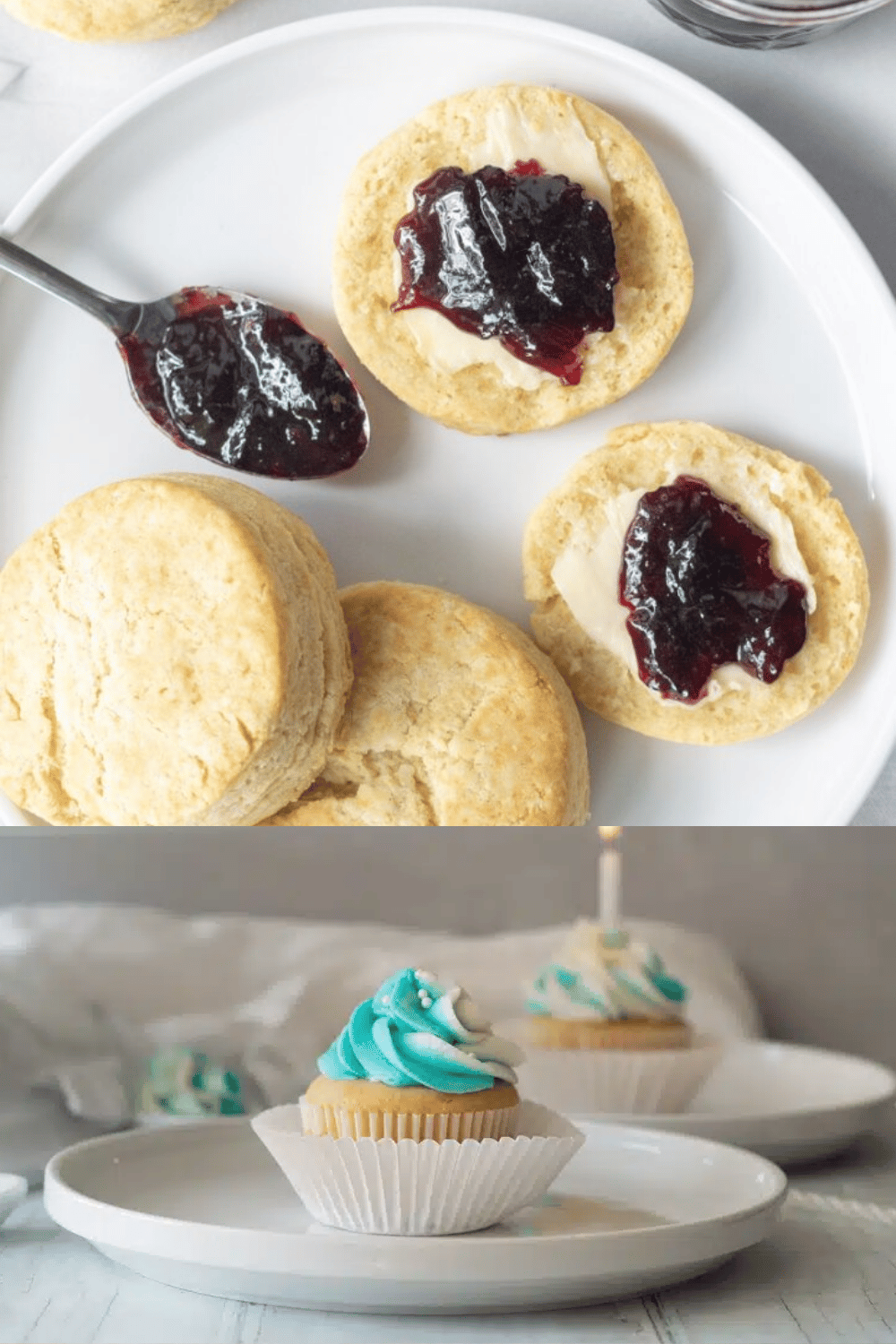
Muffins and breakfast cakes also earned rave reviews. People pointed out that gluten-free recipes often use more butter or almond flour, both of which boost flavor and improve texture.
Trader Joe’s gluten-free muffins were praised for being unbelievably moist, and their break-and-bake chocolate chip cookies were called a “gift to earth.” Want to try one yourself? Try a recipe for banana muffins.
Gravy, Pasta, and Sauce Upgrades
In the savory category, many praised the use of cornstarch instead of flour in sauces and gravies. Cornstarch not only removes gluten from the equation, it also produces smoother, clearer sauces with no loss of flavor.
Tamari was another highlight. As a gluten-free alternative to soy sauce, tamari was said to be slightly less salty, more balanced, and better overall. Several others noted that once they switched to tamari, they never went back.
Pasta also got high marks, especially brown rice pasta and the brand Rummo, which some said was indistinguishable from wheat-based pasta.
Traditional Foods, Reclaimed
Many commenters pointed out that some of the best gluten-free foods are not new at all. They are foods that were originally gluten-free before industrial processing added wheat unnecessarily. Tacos, sushi, French fries, and soy sauce all fall into this category.
Corn tortillas are a perfect example. One user vented about so-called authentic taco joints serving wheat tortillas, even though Mexican food historically relied on corn. Others chimed in that Mayan and Aztec cultures never used wheat, and the real flavor of a taco depends on a good corn tortilla.
The same goes for soy sauce. Tamari, which originated in Japan, was the standard before Western production added wheat to cut costs. Some described trying tamari for the first time and realizing that it was how soy sauce was meant to taste all along.
Eating gluten-free in these cases is not about substitution. It is about honoring the original version of a dish. For many, going gluten-free felt like returning to the source.
A Few Skeptics Remain
Not everyone was convinced. A handful of commenters said they had yet to find a gluten-free product that tasted better than the original. Some were blunt in their criticism, saying most gluten-free bread and snacks fell apart or tasted bland.
But even among the skeptics, there were nuances. Some admitted they had not tried gluten-free foods recently and were basing their opinions on outdated versions. Others said homemade gluten-free items could be excellent, even if supermarket brands had a long way to go.
They were in the minority. The vast majority of voices in the thread were not just accepting gluten-free products but recommending them to others.
The Takeaway
Gluten-free is, in many cases, a straight-up upgrade. The best recipes include world-class baked goods, sauces, and snacks.
I'm talking about the crisp bite of a pretzel, the deep chew of a brownie, and the soft crumb of a muffin, all with gluten-free ingredients. That's great news for many of us. After all, for many people, gluten-free is not just a dietary necessity. It's just a better choice.
Get inspired in your own kitchen with recipes from Gluten-Free Palate.
DID YOU MAKE THIS RECIPE?
Tag @glutenfreepalate on Instagram and hashtag it #glutenfreepalatebaker so we can see all the deliciousness!

Leave a Question or Comment