


Eating gluten-free on a budget may seem like a daunting task, but it can be done. There are a few tips and tricks to help with budgeting and saving with a specialized diet.
My husband and I often talk about it being easier to eat unhealthily than it is to eat healthy. Think of all those local take-out places and all the specials they offer on various nights of the week. The all you can eat, and drink restaurants seem to be everywhere. And the yellow arches of your local McDonald’s delivering a special red box that can be tempting to get on those hectic days when it's hard to imagine getting supper ready on time.

With the current economy, prices everywhere seem to be skyrocketing, and the Consumer Price Index (CPI) graph shows just how much costs have increased over time, especially in the food categories. But having celiac disease doesn’t mean it’s all doom and gloom! With a little extra planning, it's possible to manage a gluten-free diet without breaking the bank. So, let’s get into it.
How To Eat Gluten-Free On A Budget Without Breaking the Bank
Focus on Naturally Gluten-Free Foods
One of the easiest ways to have a gluten-free diet is to focus on naturally gluten-free foods. This is basically anything that has not been processed and is in its rawest form. Meaning it has not been processed.
Here is a list of staple ingredients to get started:
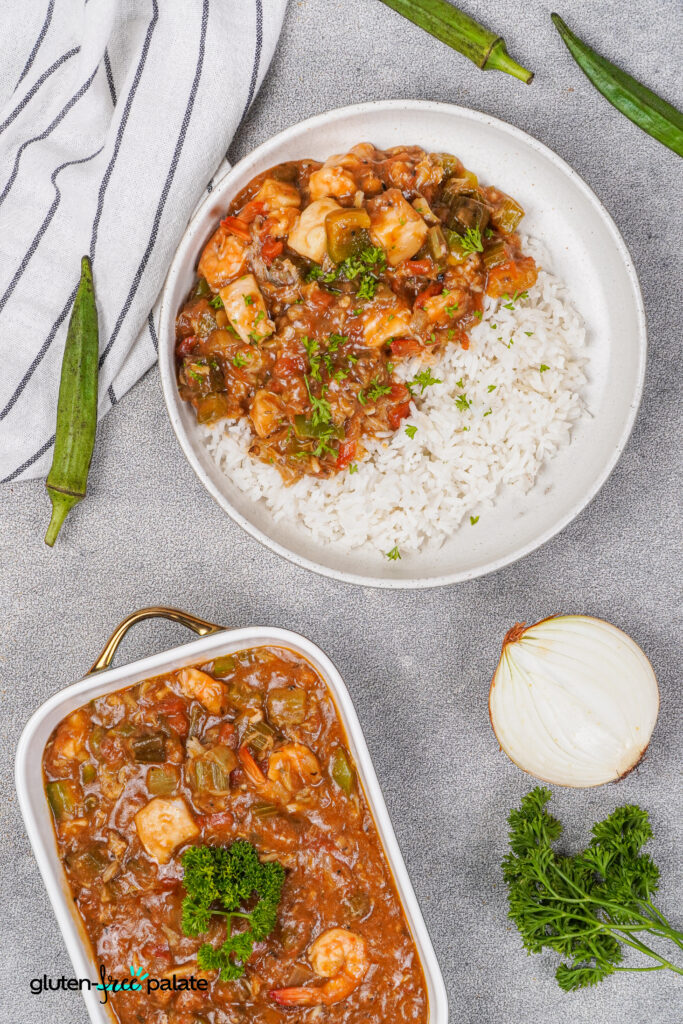
- Rice: White, brown, and wild rice are naturally gluten-free. I like to use them as a base for meals, in soups, or as a side dish. And no, this doesn’t include those very convenient pop-in-the-machiene rices.
- Potatoes: Potatoes are inexpensive and are a great carbohydrate to use. They’re naturally gluten-free. Try mashed potatoes, baked potatoes, or fries.
- Corn and Cornmeal: Gluten-Free Corn Tortillas and cornmeal (polenta) are great budget-friendly options for tacos, enchiladas, and many baked goods.
- Oats: I like to choose certified gluten-free oats, which are often cheaper than processed gluten-free cereals. There's also an overnight option, so the morning is less stressful. Our favorite now is Chocolate Overnight Oats.
- Beans and Lentils: These are good protein sources, very affordable, and naturally gluten-free. Use them in soups, stews, and salads.
- Eggs: Buy them in bulk as eggs really do last a long time provided they're stored in the fridge! Keep them in their original carton to protect them from temperature fluctuations, and they’ll stay fresh for weeks. If unsure, do the float test. To do this place an egg in a bowl of water. If it sinks, it’s good; if it floats, it’s time to throw it out!
Fruits and Vegetables - Fresh, frozen, or canned produce is naturally gluten-free and forms a large part of our diet. When the shopping delivery arrives, the fruit disperses quickly, and empty cartons show up in the oddest of places in our home #momlife. Or yes, it's back in the fridge with zero contents in it.
So, I have moved to going to Sunday food markets and coming out with trays of fresh produce that can’t be consumed in one sitting. My daughter has however tried to no avail. Learning how to wash and store things is key here and I also like to dehydrate a few things.
Avoid Expensive Gluten-Free Packaged Foods
I know this can be a tough one, but with a plan in place, it's easy to have food at home on rotation. That way it doesn't feel like meal prepping daily. Sometimes daily challenges can make life feel like a hamster on a wheel, but it gets so much easier. By the end of the second month, most people agree that there's no need to spend so much on expensive gluten-free products.
Flour – We love to use these Homemade Gluten-Free Flour Blends. Buy ingredients in bulk and then we have sealed bins where we keep a few premixes of the 3 types so at any point we can get some and start making the recipes we want.
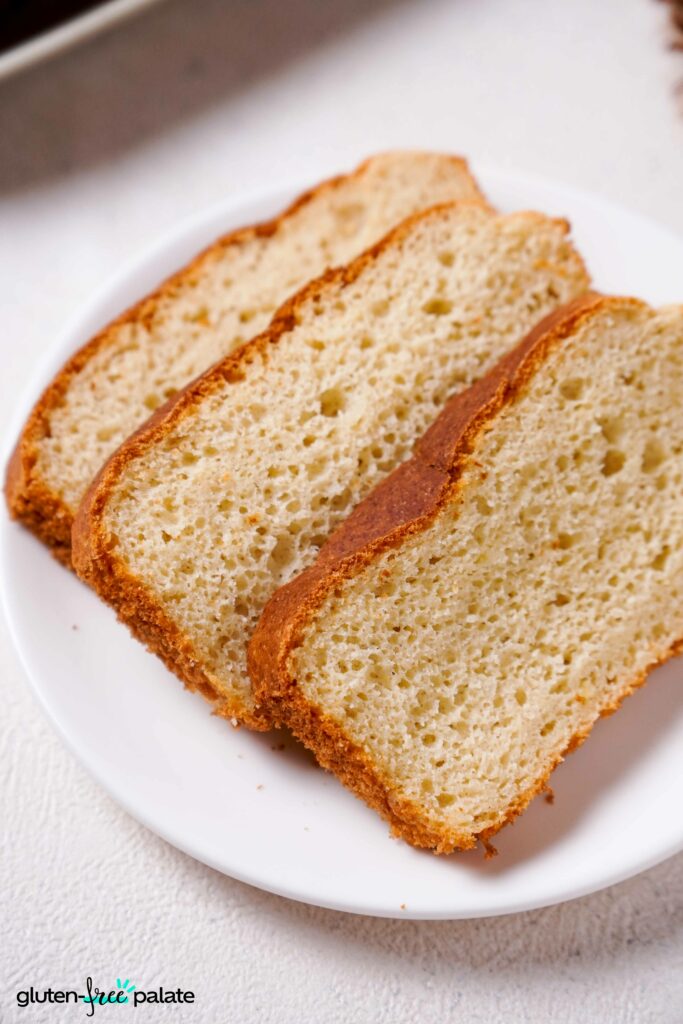
Bread – We have moved to make our bread by using gluten-free flour mixes and having a Gluten-Free Sourdough Starter which can be less expensive per loaf. We prefer it and have learned to do big batches and then freeze it either baked or unbaked depending on the time available.

Pasta – We have moved to making our homemade gluten-free pasta. It might seem funny, but as a mom, it’s therapeutic to make. It only takes a few ingredients, and the result is so much better than store-bought. But pasta therapy isn't for everyone. In that case, compare gluten-free pasta brands. Aldi's LiveGFree or Walmart's Great Value GF are two brands I often keep an eye on. I’m not superwoman so need a bit of slack now and then, especially when sick bugs get picked up in the first few weeks of a school term.
Snacks – This was my pet peeve when going gluten-free. I stood at the shelf, and it felt like everything was double the price. So, we have opted to make our snacks, such as popcorn, roasted chickpeas, or veggie sticks with hummus. We all spend a few hours making a few of these homemade options below and store them so we can take them out as needed.
With a spendier budget, we like to top up on a few of the best gluten-free snacks but again we look for specials, coupons, or use our loyalty points.
Sauces – Sauces are often very costly, and I used to be the one stocking up on these. But with all the additives, we realized it’s time for a change. And with a handy blender, homemade sauce can be whipped up or made quickly.
I don’t know about everyone else's household, but ours is a gravy-loving gang. And, no it is not a small drop of it on our roasts, but the floating type. This five minute gluten-free gravy has become a lifesaver and the kids even know how to make it, it’s that easy.
Dips – I thought I would never be able to make dips like the store-bought ones. But again, this is so super simple, and we always have the staples in the fridge so when we feel like it, we can make it. It’s a great snack with fresh veggies. Here's a recipe for tzatziki dip.
Shop Smart and Stock Up
I feel like an FBI agent with this one, I go to all my trusty sites to compare prices like Google Shopping, Instacart, Walmart, and Honey. There is a host of ways of doing this. Here are three methods I use to get the best deals.
Buy in bulk. I have noticed a trend in buying, so I tap into that and then buy in bulk. And bulk bins are going to be your new bestie!
Shop sales. I must admit, I don’t always get it right with buying in bulk and when I am short on items, I need to look out for sales. Just a word of warning here, try and check if it is indeed special as sometimes it’s not, and you get tricked. I usually sort by the cost per unit.
Make use of generic brands. Where possible I use generic brands. These are usually brands made by big brands but branded for grocery stores, so I commonly use these provided the label 'Gluten-Free' Means What It Says. According to the FDA gluten-free means that the product needs to have a presence of gluten that is less than 20 ppm. Some readers may be more sensitive to this so consider the labeling methodology.
Cook At Home
I know cooking at home can become a chore but try to mix it up a little bit. We are trying to implement themed dinners over the weekends so everyone can help in making them. So far it is just a dream, but we will get into it and I’ll keep everyone posted on the progress.
And cooking at home doesn’t mean goodbye takeaways, we have some good fakeaways we’ve mastered. I make a mean Fish and Chips with only gluten-free ingredients. And my family loves a few other quick and easy main courses. My gluten-free pizza is especially popular.
Meal Plan and Batch Cook
I know some people cringe at the thought of meal planning and batch cooking. I remember this one video I saw years ago where a lady had what seemed like hundreds of resealable bags in odd, glowing stands all over her counter for her batch cooking. It looked chaotic enough to make me want to run for the hills! But here's the secret: it doesn’t have to be that way. And, okay, I admit it, I eventually bought those baggy racks she was using. I'm accident-prone and have successfully poured sauce all over my counter more than once, so I'll embrace the Darth Vader sword effect on my counter shamelessly.
The benefits are a no-brainer. Save money by reducing food waste, avoid last-minute takeout runs that drain the household budget, and become a kitchen Jedi along the way!
Here are a few things we batch-cook and add to our weekly meal plan:
Gluten-Free Chili – We batch cook this and serve it over rice, add it as a topping on a baked potato, or make some chili dogs.
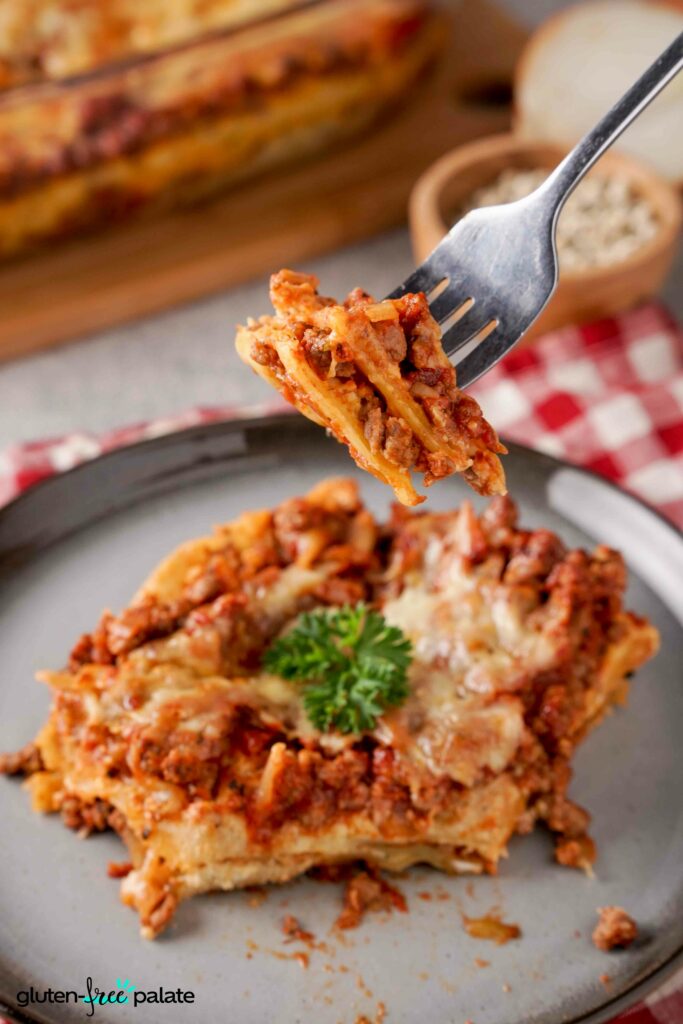
Casseroles – When I make this Easy Gluten-Free Lasagna (with shortcuts!), I tend to make a few and then freeze them, they are a lifesaver when I am barely hanging on at the end of a busy week.
The Best Instant Pot Shredded Chicken – This is a weekly staple in our house as the chicken can be used for a host of gluten-free recipes. The bonus is the enormous reduction in cooking time.
Easy Gluten-Free Meatballs – This is also another weekly staple on our list as they freeze so well, and we can use them in different ways for a host of dishes.
Now, go on and get those baggy racks ready!
Repurpose Leftovers
Now, this is one I wish I had caught onto sooner. I hate throwing food into the bin, I was of the era where one had to leave a clean plate at dinner. So, I am not sure why I’ve left this one so late.
This is a budget saver as leftovers can be repurposed for another meal and the bonus is one may not need to go into full-out cook mode.
Here are some common leftovers we have and how we repurpose them:
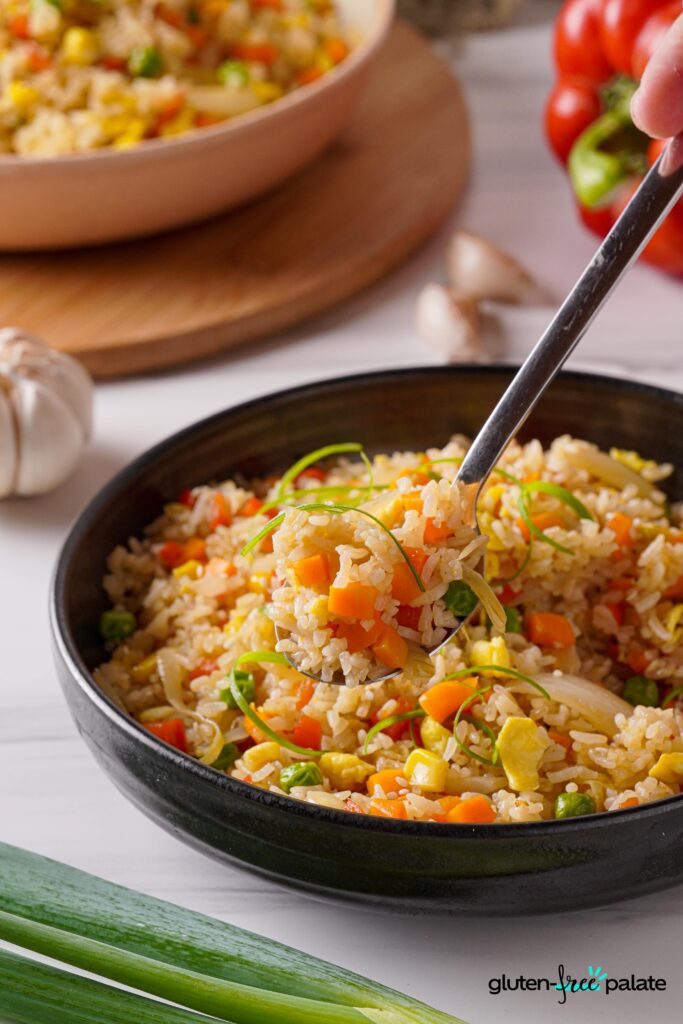
Rice – Yes, I still overdo it as some nights the kids love it and others they eat like birds. So, rice is always available for Gluten-Free Fried Rice and these Quick and Easy Instant Pot Stuffed Peppers.
Roasted vegetables – We repurpose them for frittatas, omelets, or salads. They also work well in gluten-free wraps or tacos.
Meat – These work well in gluten-free quesadillas, stir-fries, or even soups.
Mashed potatoes – Yes, I have a problem with potatoes. I always seem to feed an army. We use it on Gluten-Free Shepherd's Pie, of course. But sometimes there are leftovers when making an especially large batch. That's when I mix them with gluten-free flour to make Fried Mashed Potatoes.
Pasta – Leftover pasta makes the best pasta salad or pop it in the oven with some cheese for a tasty pasta bake.

Grow Your Produce
We have even started a veggie and fruit tree collection as we have the space, but that doesn't need to be a major limitation. I’ve seen amazing videos of veggie and fruit gardens on balconies with a great amount of produce so that it can be done.
I can’t tell express the joy of seeing produce grow and the joy of picking fresh bounty. Plus, we know what we have used to produce it so no nasties.
To grow a food forest, start with trees that produce fruits and nuts. These sometimes take a few years to get established, so they'll need plenty of time to grow. Once those are planted, add bushes and shrubs. Depending on the growing zone, blueberries, blackberries, elderberries, and raspberries make especially bountiful harvests. They also last for years.
Of course, it also helps to have a well-tended home garden. Garlic is one home garden crop that seems overlooked. I use garlic in so many gluten-free recipes, and it grows so well in my garden. Just remember to plant it in the fall so it has time to establish roots before winter.

How To Eat Gluten-Free On A Budget? One Step at a Time.
So with a little bit of planning, a sense of humor, and some tasty recipes, don’t feel overwhelmed to implement all of this at once. Slowly chip away at a few. Once mastered, add them to more recipes. That's the key to eating gluten-free on a budget.
Feel free to share in the comments below, so we can all benefit from how to eat gluten-free on a budget.
DID YOU MAKE THIS RECIPE?
Tag @glutenfreepalate on Instagram and hashtag it #glutenfreepalatebaker so we can see all the deliciousness!

Leave a Question or Comment