


Regular Oreos are not gluten-free. They contain wheat flour, which makes them unsafe for anyone with celiac disease or gluten sensitivities. The good news? Oreo now offers four certified gluten-free flavors that use a blend of rice flour, tapioca starch, and oat flour instead of wheat. So if you have been missing this iconic treat, you can enjoy it again.
Below we will walk through exactly which Oreo gluten free chocolate sandwich cookies are safe, what's in them, whether they work for celiacs, and the best alternatives if you want even more options. We will also share some of our favorite snack and dessert recipes you can make with gluten-free Oreos.
Which Oreos Are Gluten-Free?
As of 2026, Oreo offers four gluten-free products. Each one carries the GFCO (Gluten-Free Certification Organization) seal, which confirms they contain 10 ppm or less of gluten. Here is the full lineup:
- OREO Gluten-Free Original
- OREO Gluten-Free Double Stuf
- OREO Gluten-Free Mint Creme
- OREO Gluten-Free Golden
One helpful detail: each gluten-free Oreo cookie has a gluten-free stamp pressed into the cookie itself. If you find loose cookies and someone has discarded the packaging, you can check the actual cookie to confirm whether it is the gluten-free version.
These gluten-free chocolate wafer cookies come in resealable packs, which makes them easy to share at a party, toss into gift bags, add to goodie jars, or arrange on cookie trays for gatherings. They also work well for classroom treats and as gluten free snacks for lunchboxes.

This cookie butter recipe is one fun way to use gluten-free Oreos.
Gluten-Free Oreo Ingredients vs. Regular Oreo Ingredients
The biggest difference between the two versions comes down to the flour. Regular Oreos use wheat flour, while gluten-free Oreos replace it with a blend of white rice flour, tapioca starch, and whole oat flour. Here is a side-by-side comparison:
| Regular Oreos | Gluten-Free Oreos |
|---|---|
| Unbleached enriched flour (wheat flour, niacin, reduced iron, thiamine mononitrate [vitamin B1], riboflavin [vitamin B2], folic acid) | White rice flour, tapioca starch, whole oat flour, cornstarch |
| Sugar | Sugar |
| Palm oil, soybean and/or canola oil | Palm oil, soybean and/or canola oil |
| Cocoa (processed with alkali) | Cocoa (processed with alkali) |
| High fructose corn syrup | Invert sugar |
| Leavening (baking soda and/or calcium phosphate) | Baking soda |
| Salt, soy lecithin, chocolate, artificial flavor | Salt, soy lecithin, xanthan gum, chocolate, artificial flavor |
| Contains: Wheat, Soy | Contains: Soy |
Both versions are made with real cocoa processed with alkali, which gives them that signature deep chocolate flavor. The gluten-free version uses xanthan gum to help bind the dough, and swaps high fructose corn syrup for invert sugar. The smooth cream filling tastes very similar in both.
Always check the packaging before purchasing. Manufacturers can change ingredients, and the label on the package is always the most current and reliable source.
Are Gluten-Free Oreos Safe for Celiacs?
Gluten-free Oreos are GFCO certified, which means they have tested at 10 ppm or less of gluten. This is stricter than the FDA's gluten-free labeling standard of under 20 ppm. For most people with celiac disease, this level of certification provides strong assurance.
That said, it is unclear from my research whether the facility where gluten-free Oreos are manufactured is entirely separate from the lines producing regular Oreos. There is always some level of cross-contact risk with any processed food, even certified products. If you are extremely sensitive, this is worth considering.
As always, we recommend reading ingredient labels each time you buy a new package. Your comfort level with cross-contact risk is a personal decision, and we support whatever works for your body.
What Does "Certified Gluten-Free" Mean?
When a product carries a certified gluten-free seal, it means an independent third-party organization has tested it and confirmed it meets their gluten threshold. The GFCO, which certifies gluten-free Oreos, requires products to test at 10 ppm or less. The FDA's standard for any product labeled "gluten-free" is under 20 ppm. Certification provides an extra layer of trust beyond what the FDA requires, because a third party has independently verified the claim. For more on living with a gluten-free diet, check out our starter guide.
A Note About Oats in Gluten-Free Oreos
Gluten-free Oreos contain whole oat flour. While oats are naturally gluten-free, a small percentage of people with celiac disease react to a protein in oats called avenin. If you know you are sensitive to oats, or if you follow an oat-free approach to your gluten-free diet, these cookies may not work for you. We have an article on why some people avoid oats on a gluten-free diet that digs deeper into this topic.
Are Gluten-Free Oreos Dairy-Free and Vegan?
Yes. Gluten-free Oreos do not contain any dairy, eggs, or other animal products. Soy (from soy lecithin) is the only major allergen listed. While Oreo has not pursued an official vegan certification, the ingredient list is plant-based. This makes them a solid option if you need a treat that covers both gluten-free and dairy-free requirements.
How Do Gluten-Free Oreos Compare to Regular Oreos?
We get asked this a lot, so here is an honest breakdown of the key differences:
Taste: Very close. Both versions feature a rich chocolate cookie and a sweet vanilla cream filling. Most people find the gluten-free version nearly identical, though some notice a slightly different aftertaste from the rice and oat flours.
Texture: The original Oreos have a snappy crunch. Gluten-free Oreos tend to be slightly softer and more cake-like. The difference is subtle, and many fans of the gluten-free version actually prefer the texture.
Price: Gluten-free Oreos typically cost more than the regular version. Expect to pay around $5 to $6 for a standard package compared to $3 to $4 for original Oreos, depending on your store. Buying in multi-packs or through Amazon can help reduce the per-package cost.
Availability: You can find gluten-free Oreos at most major grocery stores including Walmart, Target, Kroger, and Whole Foods. They are also available on Amazon and directly through Oreo's website.
Gluten-Free Alternatives to Oreos
Gluten-free Oreos are great, but they are not the only chocolate sandwich cookie option out there. If you want to explore other brands, or if you need something free of additional allergens like soy or oats, here are some solid picks:
| Brand | GF Certified | Contains Oats |
|---|---|---|
| Oreo Gluten-Free | Yes (GFCO) | Yes |
| Kinnikinnick KinniToos | Yes (GFCO) | No |
| Glutino Chocolate Vanilla Creme | Yes | No |
| Goodie Girl Chocolate Creme | Yes | Yes |
| Schar Chocolate Sandwich Cookies | Yes | No |
Kinnikinnick KinniToos are a standout if you need an oat-free option. They use a corn and rice flour blend, and they are free of dairy, nuts, eggs, and soy. Their texture is slightly different from Oreos, but they hold up well in baking and in cookie crusts.
Glutino Chocolate Vanilla Creme Cookies have been a go-to in the gluten-free community for years. They deliver a familiar chocolate cookie flavor with a creamy vanilla center. A good option if you want something that tastes close to the classic experience.
Goodie Girl Chocolate Creme Cookies are free of the top eight allergens, which makes them a smart choice for school or shared settings where multiple allergies come into play. They also come in Birthday Cake and S'more flavors if you want variety.
Schar Chocolate Sandwich Cookies are another reliable brand. They are widely available in specialty sections and online, and they tend to stay fresh well in the package.
Many grocery stores also carry store-brand gluten-free sandwich cookies, so check the natural foods aisle at your local shop. You might find a new favorite.
Recipes Made With Gluten-Free Oreos
Gluten-free Oreos are not just for snacking straight from the package (though we fully support that approach). They work beautifully as an ingredient in dessert recipes. You can crush them for a pie crust, fold them into ice cream, or use them to make your own Oreo cookies at home with a creative twist. Here are some of our favorites:
- Gluten-Free Monster Cookies
- Gluten-Free Cookie Butter
- Gluten-Free Ice Cream with crushed Oreos mixed in or sprinkled on top. Do not forget your gluten-free cones!
- Gluten-Free Cheesecake with a crushed Oreo base
- Gluten-Free Pie Crust made from crushed gluten-free Oreos and melted butter
Gluten-free Oreos make wonderful party favors when bundled into small bags, and they pair well with other gluten free snacks on a dessert tray. You can use them as a base for truffles, layer them into trifles, or crumble them over chocolate dessert shots.
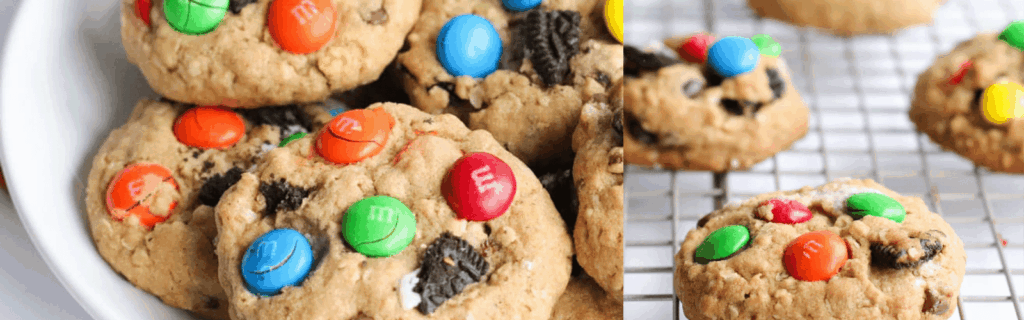
If you love cookies as much as we do, try our gluten-free cookie dough for another fun baking project.
A Brief History of Gluten-Free Oreos
Oreo first launched the cookie back in 1912, making it one of the longest-running cookie brands in the United States. For over a century, there was no gluten-free option. That changed in January 2021, when Nabisco (owned by Mondelez International) released gluten-free Original and Double Stuf varieties. Gluten-Free Mint Creme followed and became a permanent addition to the lineup in early 2023. The newest member of the family, Gluten-Free Golden Oreos, rounds out the current selection. We are hoping they continue to expand the range, so keep an eye out for new flavors.
Gluten-free Oreos are GFCO certified at 10 ppm or less of gluten, which is stricter than the FDA's under 20 ppm standard. Most people with celiac disease can safely enjoy them. However, if you are extremely sensitive to trace amounts of gluten or concerned about shared manufacturing, consult with your healthcare provider.
No. Gluten-free Oreos are dairy-free. They do not contain milk, butter, or any other dairy ingredient. Soy is the only major allergen listed on the package.
The ingredient list is entirely plant-based, so they are considered vegan by ingredient. Oreo has not pursued an official vegan certification, but they contain no egg, dairy, or animal-derived ingredients.
Yes. Gluten-free Oreos include whole oat flour as one of the main ingredients. While oats are naturally gluten-free, a small number of people with celiac disease also react to the avenin protein in oats. If you avoid oats, consider an alternative like Kinnikinnick KinniToos, which are oat-free.
Gluten-free Oreos are available at most major grocery stores, including Walmart, Target, Kroger, and Whole Foods. You can also buy them online through Amazon or directly from the Oreo website. Check the gluten-free or natural foods aisle at your local store.
A standard package of gluten-free Oreos typically costs between $5 and $6, compared to $3 to $4 for regular Oreos. Prices vary by retailer. Buying multi-packs online can help bring the per-package cost down.
Very close. Most people find the chocolate flavor and the cream filling nearly identical. The texture of gluten-free Oreos is slightly softer and more cake-like compared to the crisp snap of the original. Many people prefer the gluten-free texture once they try it.
Oreo released its first gluten-free varieties (Original and Double Stuf) in January 2021. Gluten-Free Mint Creme became a permanent product in early 2023, and Gluten-Free Golden Oreos joined the lineup more recently.
Frequently Asked Questions
Are gluten-free Oreos safe for celiacs?
Do gluten-free Oreos contain dairy?
Are gluten-free Oreos vegan?
Do gluten-free Oreos contain oats?
Where can I buy gluten-free Oreos?
How much do gluten-free Oreos cost?
Do gluten-free Oreos taste the same as regular Oreos?
When did Oreo start making gluten-free cookies?
In Conclusion
Regular Oreos are not gluten-free because they contain wheat flour. But with four certified gluten-free flavors now available (Original, Double Stuf, Mint Creme, and Golden), you have real options to enjoy this iconic treat safely. Each one is GFCO certified, dairy-free, and made with real cocoa and a blend of gluten-free flours.
If you want to branch out, brands like Kinnikinnick, Glutino, Goodie Girl, and Schar all make excellent gluten-free chocolate sandwich cookies with different allergen profiles. And once you have a package in hand, do not stop at snacking. Crush them into brownies, layer them into dessert recipes, or share them with friends who might not even realize they are gluten-free.
As with any packaged food, always read the label before you buy. Ingredients and manufacturing processes can change. Your safety comes first.


DID YOU MAKE THIS RECIPE?
Tag @glutenfreepalate on Instagram and hashtag it #glutenfreepalatebaker so we can see all the deliciousness!





Leave a Question or Comment